
Skip to content
+90 505 506 38 10 WhatsApp
← Back to the Academy
Real estate guide

Easements, Right of Way and Co-ownership Guide

Check easements, access rights and co-ownership before buying land or a shared property; compare deeds, plans and actual access.

93 knowledge topics
Easements, Right of Way and Co-ownership Guide

Identify what is owned and what is shared

Distinguish a whole parcel, a fractional share, a separate unit and an easement before comparing prices. Read the registry and the management plan to identify access rights, shared spaces, decision rules and duties toward other owners. A marketing floor plan is not proof of an exclusive legal right to a particular area. For land, verify lawful access and map the proposed use against cadastral records; list any third-party consent or technical review still required.

Practical verification checklist

Shared rights: Distinguish full ownership, a fractional share, condominium ownership and an easement. Read the registry entry and any management plan to identify access, common-area use and decision-making constraints. For a shared parcel, verify whether the proposed unit or exclusive-use area is legally defined; a private sketch or informal allocation does not necessarily create a registrable right.

JUANA Real Estate Editorial Team

Last reviewed: 2026-08-27

Content is reviewed against official and primary sources and updated when rules or information change.

Official review sources

Topics in this guide

Co-Ownership Property Guide

Co-Ownership Property Guide

A Türkiye co-ownership property guide covering paylı versus elbirliği ownership, registered shares, use arrangements, pre-emption risk, costs, decisions, encumbrances, exit routes and share liquidity.

Read topic →
Property Easement Rights Guide

Property Easement Rights Guide

Property Easement Rights Guide: a practical guide to build a clear, evidence-based answer to the topic itself, with emphasis on current evidence, property and party identity, document version, unresolved conflicts and the transaction consequence before commitment.

Read topic →
Right of Way on Property Guide

Right of Way on Property Guide

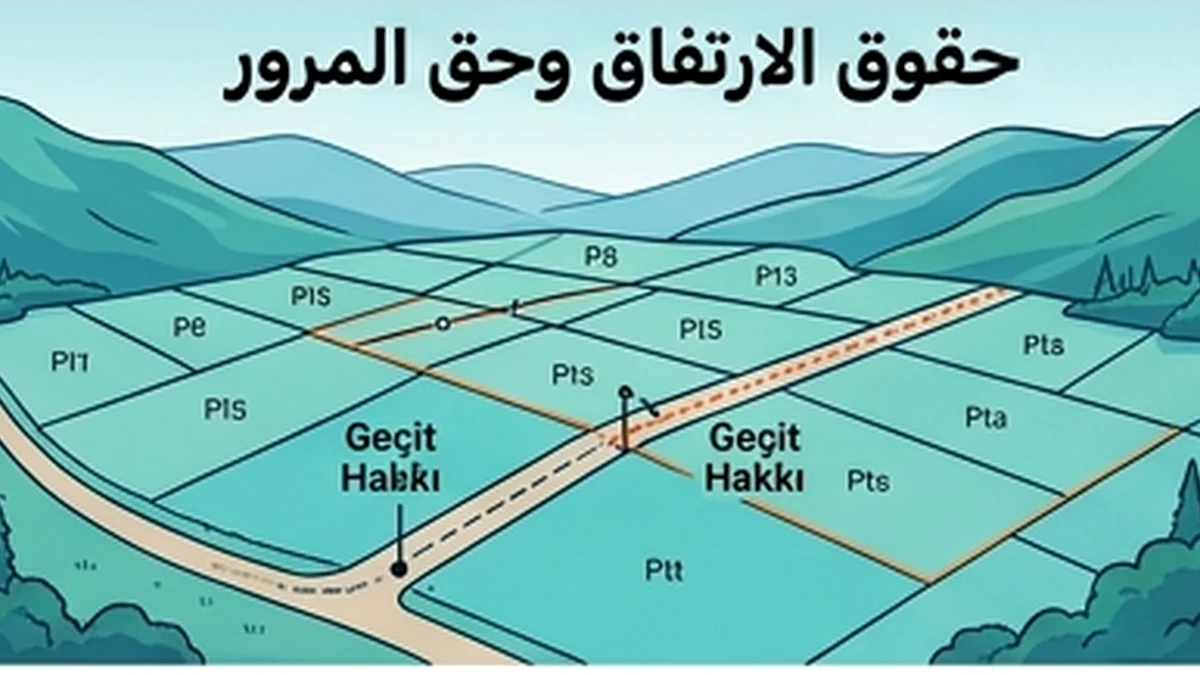
Right of Way on Property Guide A right of way (geçit hakkı) is an easement affecting defined parcels; verify the registered benefitted and burdened parcel, scope, route or description and any conditions rather than relying on a path that is merely used in practice. Physical access and legal access are different.

Read topic →
Ownership share ratio Verification Guide

Ownership share ratio Verification Guide

“Ownership share ratio Verification Guide” engages Condominium Ownership Law No. 634 whenever the issue concerns an independent unit, common part, land share or site management. The law distinguishes independent sections, common areas and appurtenances and regulates management, common expenses and advances. An aidat amount, parking/storage right or ownership-share ratio should therefore not be accepted from a seller’s statement alone; the management plan, decision book, unit ledger, registry and approved project are checked according to the issue.

Read topic →
Ownership share ratio Workflow Guide

Ownership share ratio Workflow Guide

Start with arsa payı and numerator/denominator, and tie both to the exact property, party and transaction date. The evidence file should cover arsa payı, numerator/denominator, independent unit, project link and management/right effect. A document can be genuine yet still be unusable if it belongs to a different unit, parcel, year or transaction. For the workflow, test the strongest claim first. If independent unit conflicts with project link, preserve both pieces of evidence and identify the reason for the conflict before treating the file as complete.

Read topic →
Ownership share ratio Risk Review

Ownership share ratio Risk Review

Start with arsa payı and numerator/denominator, and tie both to the exact property, party and transaction date. If independent unit conflicts with project link, preserve both pieces of evidence and identify the reason for the conflict before treating the file as complete. Example: the file contains arsa payı, but management/right effect cannot be verified. Do not mark “Ownership share ratio Risk Review” complete.

Read topic →
Ownership share ratio Decision Framework

Ownership share ratio Decision Framework

Start with arsa payı and numerator/denominator, and tie both to the exact property, party and transaction date. For decision framework, test the strongest claim first. If independent unit conflicts with project link, preserve both pieces of evidence and identify the reason for the conflict before treating the file as complete. Example: the file contains arsa payı, but management/right effect cannot be verified. Do not mark “Ownership share ratio Decision Framework” complete.

Read topic →
Buyer Questions for Ownership share ratio

Buyer Questions for Ownership share ratio

When uncertain, request a fresh official record rather than an internal complex spreadsheet. Web Tapu allows applications for transactions such as sale, mortgage and inheritance transfer, but it does not make an earlier registry copy current evidence. If a representative acts, check the representation document against the party’s identity, scope of authority and transaction type. A mismatch in unit, share, owner or a newly added restriction requires the file to be reconciled again before payment or completion.

Read topic →
Closing-Day Check for Ownership share ratio

Closing-Day Check for Ownership share ratio

Use Closing-Day Check for Ownership share ratio to recheck the facts that can change at closing and make payment or signature conditional on the latest evidence. The guide separates verified facts from assumptions, records the competent source and date, and keeps any unresolved legal, technical, tax, payment or cost issue visible.

Read topic →
Ownership share ratio Recordkeeping Guide

Ownership share ratio Recordkeeping Guide

Start with arsa payı and numerator/denominator, and tie both to the exact property, party and transaction date. For recordkeeping, test the strongest claim first. If independent unit conflicts with project link, preserve both pieces of evidence and identify the reason for the conflict before treating the file as complete. Example: the file contains arsa payı, but management/right effect cannot be verified. Do not mark “Ownership share ratio Recordkeeping Guide” complete.

Read topic →
Ownership share ratio Red Flags Guide

Ownership share ratio Red Flags Guide

Start with arsa payı and numerator/denominator, and tie both to the exact property, party and transaction date. For the red flags, test the strongest claim first. If independent unit conflicts with project link, preserve both pieces of evidence and identify the reason for the conflict before treating the file as complete. Example: the file contains arsa payı, but management/right effect cannot be verified.

Read topic →
Easement rights Verification Guide

Easement rights Verification Guide

A practical guide to easement rights in Turkey: read the irtifak entry from the current land registry, identify the benefited and burdened property, type, duration and scope, reconcile the right with the plan and physical reality, and assess the effect of access, utility, usufruct or other easements on use, value and resale.

Read topic →
Easement rights Workflow Guide

Easement rights Workflow Guide

A decision-focused guide to Easement rights Workflow Guide: turn the topic into a sequenced due-diligence process with a clear owner, evidence step and completion point, preserve the controlling evidence, recheck material changes.

Read topic →
Easement rights Risk Review

Easement rights Risk Review

Easement rights Risk Review: a practical guide to identify the material ways the topic can fail, then connect each risk to evidence and a transaction consequence, with emphasis on current evidence, property and party identity, document version, unresolved conflicts and the transaction consequence before commitment.

Read topic →
Co-Ownership, Family Residence, Easements and Rights of Way

Co-Ownership, Family Residence, Easements and Rights of Way

Co-Ownership, Family Residence, Easements and Rights of Way Official verification and 2026 updates Easement rights Decision Framework Easement rights Recordkeeping Guide Right of way Risk Review A right of way (Geçit Hakkı) is an easement that identifies the beneficiary, the burdened property and the permitted route/scope. Official Source Revalidation — Easement rights Official Source Revalidation — Right of way Parcel division, consolidation, expropriation or a registered amendment can affect the route or entry; refresh the record after such changes or before a delayed closing.

Read topic →
Buyer Questions for Easement rights

Buyer Questions for Easement rights

Buyer Questions for Easement rights explains how to equip the buyer with specific questions whose answers can be checked against documents rather than sales assurances, how to match evidence to the same asset and decision date, and how to convert a discrepancy into a written condition rather than a vague assurance.

Read topic →
Closing-Day Check for Easement rights

Closing-Day Check for Easement rights

A decision-focused guide to Closing-Day Check for Easement rights: recheck the facts that can change at closing and make payment or signature conditional on the latest evidence, preserve the controlling evidence, recheck material changes.

Read topic →
Easement rights Recordkeeping Guide

Easement rights Recordkeeping Guide

Easement rights Recordkeeping Guide: a practical guide to preserve source, date, version, property identifiers and the final conclusion so another reviewer can reproduce the file, with emphasis on current evidence, property and party identity, document version, unresolved conflicts and the transaction consequence before commitment.

Read topic →
Easement rights Red Flags Guide

Easement rights Red Flags Guide

Easement rights Red Flags Guide explains how to separate genuine warning signs from harmless irregularities and define which warning requires escalation before commitment, how to match evidence to the same asset and decision date, and how to convert a discrepancy into a written condition rather than a vague assurance.

Read topic →
Right of way Verification Guide

Right of way Verification Guide

A visible track is not proof of a legal right of way. Verification starts with the official registry entry, the benefited and burdened parcels, the nature and scope of the easement, and then reconciles the registered right with cadastral material and physical access. The establishment instrument, route plan and any later change or cancellation also need to be checked and preserved.

Read topic →
Right of way Workflow Guide

Right of way Workflow Guide

Use Right of way Workflow Guide to turn the topic into a sequenced due-diligence process with a clear owner, evidence step and completion point. The guide separates verified facts from assumptions, records the competent source and date, and keeps any unresolved legal, technical, tax, payment or cost issue visible.

Read topic →
Right of way Risk Review

Right of way Risk Review

Right of way Risk Review explains how to identify the material ways the topic can fail, then connect each risk to evidence and a transaction consequence, how to match evidence to the same asset and decision date, and how to convert a discrepancy into a written condition rather than a vague assurance.

Read topic →
Right of way Decision Framework

Right of way Decision Framework

A decision-focused guide to Right of way Decision Framework: convert the evidence into a transparent proceed, proceed-with-condition, reprice, escalate or stop decision, preserve the controlling evidence, recheck material changes.

Read topic →
Buyer Questions for Right of way

Buyer Questions for Right of way

Buyer Questions for Right of way: a practical guide to equip the buyer with specific questions whose answers can be checked against documents rather than sales assurances, with emphasis on current evidence, property and party identity, document version, unresolved conflicts and the transaction consequence before commitment.

Read topic →
Closing-Day Check for Right of way

Closing-Day Check for Right of way

Use Closing-Day Check for Right of way to recheck the facts that can change at closing and make payment or signature conditional on the latest evidence. The guide separates verified facts from assumptions, records the competent source and date, and keeps any unresolved legal, technical, tax, payment or cost issue visible.

Read topic →
Right of way Recordkeeping Guide

Right of way Recordkeeping Guide

route width benefited parcel burdened parcel registered basis Version discipline For recordkeeping, test the strongest claim first. If benefited parcel conflicts with burdened parcel, preserve both pieces of evidence and identify the reason for the conflict before treating the file as complete. Audit trail A common failure pattern is that route appears correct while registered basis is missing, stale or linked to another record. The remedy is a fresh official check and a written note explaining the impact on price, payment, use, financing or closing.

Read topic →
Right of way Red Flags Guide

Right of way Red Flags Guide

Right of way Red Flags Guide: a practical guide to separate genuine warning signs from harmless irregularities and define which warning requires escalation before commitment, with emphasis on current evidence, property and party identity, document version, unresolved conflicts and the transaction consequence before commitment.

Read topic →
Co-owner consent Workflow Guide

Co-owner consent Workflow Guide

Use Co-owner consent Workflow Guide to turn the topic into a sequenced due-diligence process with a clear owner, evidence step and completion point. The guide separates verified facts from assumptions, records the competent source and date, and keeps any unresolved legal, technical, tax, payment or cost issue visible.

Read topic →
Buyer Questions for Co-owner consent

Buyer Questions for Co-owner consent

Buyer Questions for Co-owner consent: a practical guide to equip the buyer with specific questions whose answers can be checked against documents rather than sales assurances, with emphasis on current evidence, property and party identity, document version, unresolved conflicts and the transaction consequence before commitment.

Read topic →
Closing-Day Check for Co-owner consent

Closing-Day Check for Co-owner consent

Use Closing-Day Check for Co-owner consent to recheck the facts that can change at closing and make payment or signature conditional on the latest evidence. The guide separates verified facts from assumptions, records the competent source and date, and keeps any unresolved legal, technical, tax, payment or cost issue visible.

Read topic →
Co-owner consent Recordkeeping Guide

Co-owner consent Recordkeeping Guide

Co-owner consent Recordkeeping Guide explains how to preserve source, date, version, property identifiers and the final conclusion so another reviewer can reproduce the file, how to match evidence to the same asset and decision date, and how to convert a discrepancy into a written condition rather than a vague assurance.

Read topic →
Co-owner consent Red Flags Guide

Co-owner consent Red Flags Guide

For “Co-owner consent Red Flags Guide”, authenticity is established through the issuing authority and chain of acquisition, not by the appearance of a PDF or an institutional logo. If bank-account or payment instructions change by email or message, the change should be confirmed through an independent, previously verified channel before funds move; a genuine contract does not make later payment instructions automatically genuine.

Read topic →
Official Source Revalidation — Ownership share ratio

Official Source Revalidation — Ownership share ratio

Revalidate the ownership-share ratio from the current title record and read it as a registered share, not as an assumed floor-area percentage.

Read topic →
Validity and Deadline Control — Ownership share ratio

Validity and Deadline Control — Ownership share ratio

Recheck the share ratio whenever the condominium plan, unit structure or title record changes; an old ratio should not be assumed current.

Read topic →
Counterparty Confirmation — Ownership share ratio

Counterparty Confirmation — Ownership share ratio

Use Counterparty Confirmation — Ownership share ratio to obtain independent confirmation of material facts from the responsible party or issuer instead of relying on a forwarded copy alone. The guide separates verified facts from assumptions, records the competent source and date, and keeps any unresolved legal, technical, tax, payment or cost issue visible.

Read topic →
Change Control — Ownership share ratio

Change Control — Ownership share ratio

Change Control — Ownership share ratio: a practical guide to keep material changes visible, versioned and reapproved before relying on an earlier conclusion, with emphasis on current evidence, property and party identity, document version, unresolved conflicts and the transaction consequence before commitment.

Read topic →
Resale File Preservation — Ownership share ratio

Resale File Preservation — Ownership share ratio

A decision-focused guide to Resale File Preservation — Ownership share ratio: preserve the evidence a future buyer, lender or adviser will need to understand the asset without rebuilding the file from zero, preserve the controlling evidence, recheck material changes.

Read topic →
Official Source Revalidation — Easement rights

Official Source Revalidation — Easement rights

Use Official Source Revalidation — Easement rights to return to the competent official source and verify that the prior conclusion still matches the current rule or record. The guide separates verified facts from assumptions, records the competent source and date, and keeps any unresolved legal, technical, tax, payment or cost issue visible.

Read topic →
Validity and Deadline Control — Easement rights

Validity and Deadline Control — Easement rights

Validity and Deadline Control — Easement rights explains how to track issue dates, expiry dates, renewal rules and cut-off dates so an otherwise correct document does not become unusable at the critical moment, how to match evidence to the same asset and decision date, and how to convert a discrepancy into a written condition rather than a vague assurance.

Read topic →
Counterparty Confirmation — Easement rights

Counterparty Confirmation — Easement rights

Ask the seller to identify each easement and compare its route, beneficiary and scope with the current title and cadastral evidence.

Read topic →
Exception Register — Easement rights

Exception Register — Easement rights

Exception Register — Easement rights: a practical guide to record every unresolved exception with its owner, impact, deadline, evidence needed and closure status, with emphasis on current evidence, property and party identity, document version, unresolved conflicts and the transaction consequence before commitment.

Read topic →
Change Control — Easement rights

Change Control — Easement rights

Change Control — Easement rights explains how to keep material changes visible, versioned and reapproved before relying on an earlier conclusion, how to match evidence to the same asset and decision date, and how to convert a discrepancy into a written condition rather than a vague assurance.

Read topic →
Official Source Revalidation — Right of way

Official Source Revalidation — Right of way

A decision-focused guide to Official Source Revalidation — Right of way: return to the competent official source and verify that the prior conclusion still matches the current rule or record, preserve the controlling evidence, recheck material changes.

Read topic →
Validity and Deadline Control — Right of way

Validity and Deadline Control — Right of way

Validity and Deadline Control — Right of way: a practical guide to track issue dates, expiry dates, renewal rules and cut-off dates so an otherwise correct document does not become unusable at the critical moment, with emphasis on current evidence, property and party identity, document version, unresolved conflicts and the transaction consequence before commitment.

Read topic →
Maintenance and Service Contracts Risk Review

Maintenance and Service Contracts Risk Review

A risk review of maintenance and service contracts is intended to identify weaknesses that may be hidden by apparently complete paperwork. The review considers whether the records are current, authentic, internally consistent and aligned with the actual property or service. It also asks whether missing or inaccurate information could create legal, financial, safety or operating costs for the buyer.

Read topic →
Maintenance and Service Contracts Decision Framework

Maintenance and Service Contracts Decision Framework

The decision framework for maintenance and service contracts converts document review into a controlled transaction decision. It is designed to prevent a buyer from proceeding merely because a document exists; the document must also be current, relevant, consistent and sufficiently verified.

Read topic →
Change Control — Right of way

Change Control — Right of way

Change Control — Right of way: a practical guide to keep material changes visible, versioned and reapproved before relying on an earlier conclusion, with emphasis on current evidence, property and party identity, document version, unresolved conflicts and the transaction consequence before commitment.

Read topic →
Official Source Revalidation — Co-owner consent

Official Source Revalidation — Co-owner consent

A decision-focused guide to Official Source Revalidation — Co-owner consent: return to the competent official source and verify that the prior conclusion still matches the current rule or record, preserve the controlling evidence, recheck material changes.

Read topic →
Validity and Deadline Control — Co-owner consent

Validity and Deadline Control — Co-owner consent

Validity and Deadline Control — Co-owner consent: a practical guide to track issue dates, expiry dates, renewal rules and cut-off dates so an otherwise correct document does not become unusable at the critical moment, with emphasis on current evidence, property and party identity, document version, unresolved conflicts and the transaction consequence before commitment.

Read topic →
Counterparty Confirmation — Co-owner consent

Counterparty Confirmation — Co-owner consent

Use Counterparty Confirmation — Co-owner consent to obtain independent confirmation of material facts from the responsible party or issuer instead of relying on a forwarded copy alone. The guide separates verified facts from assumptions, records the competent source and date, and keeps any unresolved legal, technical, tax, payment or cost issue visible.

Read topic →
Exception Register — Co-owner consent

Exception Register — Co-owner consent

Exception Register — Co-owner consent explains how to record every unresolved exception with its owner, impact, deadline, evidence needed and closure status, how to match evidence to the same asset and decision date, and how to convert a discrepancy into a written condition rather than a vague assurance.

Read topic →
Payment Release Gate — Co-owner consent

Payment Release Gate — Co-owner consent

A decision-focused guide to Payment Release Gate — Co-owner consent: define the evidence that must exist before a specific payment is released and block payment when a required condition remains unresolved, preserve the controlling evidence, recheck material changes.

Read topic →
Change Control — Co-owner consent

Change Control — Co-owner consent

Change Control — Co-owner consent: a practical guide to keep material changes visible, versioned and reapproved before relying on an earlier conclusion, with emphasis on current evidence, property and party identity, document version, unresolved conflicts and the transaction consequence before commitment.

Read topic →
Resale File Preservation — Co-owner consent

Resale File Preservation — Co-owner consent

A decision-focused guide to Resale File Preservation — Co-owner consent: preserve the evidence a future buyer, lender or adviser will need to understand the asset without rebuilding the file from zero, preserve the controlling evidence, recheck material changes.

Read topic →
Independent Evidence Replication — Ownership share ratio

Independent Evidence Replication — Ownership share ratio

A decision-focused guide to Independent Evidence Replication — Ownership share ratio: organize the file so an independent reviewer can reproduce the same conclusion without relying on the original adviser’s assertion, preserve the controlling evidence, recheck material changes.

Read topic →
Pre-Commitment Freeze — Ownership share ratio

Pre-Commitment Freeze — Ownership share ratio

Pre-Commitment Freeze — Ownership share ratio — Before a non-refundable deposit or binding signature, freeze a dated reference copy of the data supporting the decision. If closing is delayed or the project/registry changes, use that frozen set as a comparison baseline and recheck.

Read topic →
Document Version Reconciliation — Ownership share ratio

Document Version Reconciliation — Ownership share ratio

Document Version Reconciliation — Ownership share ratio — Reconcile document number, date and referenced page/plan across paper and electronic copies. If two versions were valid at different times, identify which is currently effective and who issued the change; do not mix archive and operative copies.

Read topic →
Cost Consequence Trace — Ownership share ratio

Cost Consequence Trace — Ownership share ratio

Cost Consequence Trace — Ownership share ratio — Translate each discrepancy into a measurable financial consequence: registration delay, correction cost, revaluation, project amendment, extra fees or possible resale discount. A technical issue becomes an investment decision only when its price, time and liquidity effect is understood.

Read topic →
Resale and Exit Review — Ownership share ratio

Resale and Exit Review — Ownership share ratio

Resale and Exit Review — Ownership share ratio explains how to test how the present legal, technical and financial evidence will affect a later sale, refinancing or buyer due diligence, how to match evidence to the same asset and decision date, and how to convert a discrepancy into a written condition rather than a vague assurance.

Read topic →
Cross-Party Consistency Check — Ownership share ratio

Cross-Party Consistency Check — Ownership share ratio

A decision-focused guide to Cross-Party Consistency Check — Ownership share ratio: compare the same names, property identifiers, amounts, dates and obligations across every relevant party and document, preserve the controlling evidence, recheck material changes.

Read topic →
Closing-Day Recheck — Ownership share ratio

Closing-Day Recheck — Ownership share ratio

Closing-Day Recheck — Ownership share ratio — On transfer day, recheck sensitive identifiers from the latest available source; do not assume last week’s verification is still sufficient. Confirm that every promised correction or update is actually reflected before signature and final payment.

Read topic →
Independent Evidence Replication — Easement rights

Independent Evidence Replication — Easement rights

Independent Evidence Replication — Easement rights — Do not rely only on an image supplied by the seller. Re-check the entry or right through the available official channel and compare number, date, scope and authorized party. Independent sourcing reduces the risk of stale or selectively presented evidence.

Read topic →
Pre-Commitment Freeze — Easement rights

Pre-Commitment Freeze — Easement rights

Pre-Commitment Freeze — Easement rights explains how to freeze the material transaction facts and document versions before a deposit, reservation, signature or other commitment becomes difficult to reverse, how to match evidence to the same asset and decision date, and how to convert a discrepancy into a written condition rather than a vague assurance.

Read topic →
Document Version Reconciliation — Easement rights

Document Version Reconciliation — Easement rights

Document Version Reconciliation — Easement rights — Where multiple versions exist, do not assume the newest-looking copy is controlling merely because of its date. Reconcile transaction number, issuing authority, property identifiers and linked registry entry, then identify the version governing the deal file.

Read topic →
Cost Consequence Trace — Easement rights

Cost Consequence Trace — Easement rights

Cost Consequence Trace — Easement rights — Translate each restriction or right into measurable financial consequences: release/correction cost, financing delay, reduced use, dispute exposure or lower resaleability. The existence of an entry alone does not show its economic size.

Read topic →
Resale and Exit Review — Easement rights

Resale and Exit Review — Easement rights

Resale and Exit Review — Easement rights — Start by reconciling “For foreign-buyer transactions, TKGM lists transaction documents including identity information, earthquake insurance for buildings and the foreign-exchange purchase document where applicable.” with “A defensible review ties parcel/block, independent-unit number, ownership share and…

Read topic →
Property Tax and Government Fees Records Verification Guide

Property Tax and Government Fees Records Verification Guide

Verification of property-tax and government-fee records is a core due-diligence step. It helps the buyer compare the documents presented in the transaction with current official information and the actual condition of the property. The review should focus on authenticity, validity, scope, dates, responsible parties and any material inconsistency that could affect use, transfer, cost or future resale.

Read topic →
Closing-Day Recheck — Easement rights

Closing-Day Recheck — Easement rights

Closing-Day Recheck — Easement rights explains how to repeat the critical checks immediately before completion so stale evidence is not mistaken for current status, how to match evidence to the same asset and decision date, and how to convert a discrepancy into a written condition rather than a vague assurance.

Read topic →
Independent Evidence Replication — Right of way

Independent Evidence Replication — Right of way

TKGM and Web Tapu are primary references for matching the property, owner and transaction record; due diligence should start from the official registry rather than the advertisement. The independent check should reproduce the material result from the competent official source rather than merely re-read a copy supplied by a party.

Read topic →
Pre-Commitment Freeze — Right of way

Pre-Commitment Freeze — Right of way

Pre-Commitment Freeze — Right of way — Before final signature or a non-refundable payment, freeze the list of accepted documents, restrictions and rights as of that date. Any later change should reopen review rather than pass silently. Geçit Hakkı is an easement that can be registered to permit passage across another person’s land.

Read topic →
Property Tax and Government Fees Records Decision Framework

Property Tax and Government Fees Records Decision Framework

The decision framework for property-tax and government-fee records converts document review into a controlled transaction decision. It is designed to prevent a buyer from proceeding merely because a document exists; the document must also be current, relevant, consistent and sufficiently verified.

Read topic →
Right-of-Way Cost Consequence Trace

Right-of-Way Cost Consequence Trace

This record traces costs that may arise from an existing right of way or from the need to establish or modify one. Identify effects on usable area, access, works, compensation or maintenance and state who bears each cost based on the available record. A right of way does not automatically create a loss; its impact depends on scope and actual use.

Read topic →
Resale and Exit Review — Right of way

Resale and Exit Review — Right of way

Resale and Exit Review — Right of way explains how to test how the present legal, technical and financial evidence will affect a later sale, refinancing or buyer due diligence, how to match evidence to the same asset and decision date, and how to convert a discrepancy into a written condition rather than a vague assurance.

Read topic →
Right-of-Way Cross-Party Consistency Check

Right-of-Way Cross-Party Consistency Check

This check compares the right of way described in title/cadastral records and agreements with the seller's account and actual site use. Verify the benefiting or burdened party, route and scope, and note any difference between physical use and the registered position. An unexplained used path or an easement not reflected on site should be investigated before the decision is finalized.

Read topic →
Closing-Day Recheck — Right of way

Closing-Day Recheck — Right of way

Closing-Day Recheck — Right of way: a practical guide to repeat the critical checks immediately before completion so stale evidence is not mistaken for current status, with emphasis on current evidence, property and party identity, document version, unresolved conflicts and the transaction consequence before commitment.

Read topic →
Independent Evidence Replication — Co-owner consent

Independent Evidence Replication — Co-owner consent

A decision-focused guide to Independent Evidence Replication — Co-owner consent: organize the file so an independent reviewer can reproduce the same conclusion without relying on the original adviser’s assertion, preserve the controlling evidence, recheck material changes.

Read topic →
Pre-Commitment Freeze — Co-owner consent

Pre-Commitment Freeze — Co-owner consent

Pre-Commitment Freeze — Co-owner consent: a practical guide to freeze the material transaction facts and document versions before a deposit, reservation, signature or other commitment becomes difficult to reverse, with emphasis on current evidence, property and party identity, document version, unresolved conflicts and the transaction consequence before commitment.

Read topic →
Document Version Reconciliation — Co-owner consent

Document Version Reconciliation — Co-owner consent

Document Version Reconciliation — Co-owner consent explains how to identify the controlling version and reconcile every material change between drafts, scans, translations and signed documents, how to match evidence to the same asset and decision date, and how to convert a discrepancy into a written condition rather than a vague assurance.

Read topic →
Cost Consequence Trace — Co-owner consent

Cost Consequence Trace — Co-owner consent

Use Cost Consequence Trace — Co-owner consent to trace each issue to a documented cost, responsible payer, timing and effect on price, cash flow or closing funds. The guide separates verified facts from assumptions, records the competent source and date, and keeps any unresolved legal, technical, tax, payment or cost issue visible.

Read topic →
Resale and Exit Review — Co-owner consent

Resale and Exit Review — Co-owner consent

Resale and Exit Review — Co-owner consent explains how to test how the present legal, technical and financial evidence will affect a later sale, refinancing or buyer due diligence, how to match evidence to the same asset and decision date, and how to convert a discrepancy into a written condition rather than a vague assurance.

Read topic →
Cross-Party Consistency Check — Co-owner consent

Cross-Party Consistency Check — Co-owner consent

Cross-Party Consistency Check — Co-owner consent — Start by reconciling “A defensible review ties parcel/block, independent-unit number, ownership share and encumbrances to the exact property before any material payment.” with “TKGM and Web Tapu are primary references for matching the property, owner and transaction record; due diligence should start from…

Read topic →
Closing-Day Recheck — Co-owner consent

Closing-Day Recheck — Co-owner consent

TKGM and Web Tapu are primary references for matching the property, owner and transaction record; due diligence should start from the official registry rather than the advertisement. On the completion date, rely on the latest official position for facts that can change and resolve any material mismatch before signature or release of funds.

Read topic →
Source Freshness Review — Ownership share ratio

Source Freshness Review — Ownership share ratio

A source-freshness review for an ownership/land-share ratio confirms that the arsa payı linked to the independent unit comes from registry, project and legal sources current enough for the decision date, and that no later correction or project change has made the older evidence unsafe to rely on.

Read topic →
Deadline Readiness Review — Ownership share ratio

Deadline Readiness Review — Ownership share ratio

A deadline-readiness review for an ownership/land-share ratio confirms that the arsa payı attached to the exact independent unit is documented, reconciled and decision-ready before commitment, and that any open correction, project-change or ratio conflict is resolved before deposit, contract, finance or title transfer.

Read topic →
Change Impact Assessment — Ownership share ratio

Change Impact Assessment — Ownership share ratio

Change Impact Assessment — Ownership share ratio: In paylı mülkiyet (co-ownership by shares), the title-registry regulation shows each co-owner’s share as a fraction, so numerator and denominator matter rather than the general statement “co-owner of the property.” The record focuses on Change Impact Assessment within Ownership share ratio.

Read topic →
Audit Trail Reconstruction — Ownership share ratio

Audit Trail Reconstruction — Ownership share ratio

Audit Trail Reconstruction — Ownership share ratio: In paylı mülkiyet (co-ownership by shares), the title-registry regulation shows each co-owner’s share as a fraction, so numerator and denominator matter rather than the general statement “co-owner of the property.” The record focuses on Audit Trail Reconstruction within Ownership share ratio.

Read topic →
Source Freshness Review — Easement rights

Source Freshness Review — Easement rights

A source-freshness review for easement rights: verify the current registry entry, burdened and benefited property, scope, plan, amendments and deletions rather than relying on an old extract or contract description.

Read topic →
Deadline Readiness Review — Easement rights

Deadline Readiness Review — Easement rights

A deadline-readiness review for easements: determine each right’s effect on use, access and development, reconcile it with contract, valuation and financing, and set an acceptance or release condition before closing.

Read topic →
Change Impact Assessment — Easement rights

Change Impact Assessment — Easement rights

Assess how any easement change affects use, value, construction, access, contract and financing by comparing the registry and plan before and after the change.

Read topic →
Easement Rights Audit Trail Reconstruction

Easement Rights Audit Trail Reconstruction

Reconstructing the documentary and registry history of an easement to understand its creation, scope, amendments and current status.

Read topic →
Source Freshness Review — Right of way

Source Freshness Review — Right of way

A source-freshness review for right of way: verify the latest registry entry, plan, route, benefited and burdened properties, accounting for subdivision, merger and changed road access instead of confusing physical use with registered right.

Read topic →
Source Freshness Review — Co-owner consent

Source Freshness Review — Co-owner consent

Source Freshness Review — Co-owner consent: In paylı mülkiyet each co-owner holds a defined share in the whole property, and this does not mean every disposal of that share requires unanimous consent; the nature of the act and the applicable rule determine consent requirements. The record focuses on Source Freshness Review within Co-owner consent.

Read topic →
Deadline Readiness Review — Co-owner consent

Deadline Readiness Review — Co-owner consent

Deadline Readiness Review — Co-owner consent: In paylı mülkiyet each co-owner holds a defined share in the whole property, and this does not mean every disposal of that share requires unanimous consent; the nature of the act and the applicable rule determine consent requirements. The record focuses on Deadline Readiness Review within Co-owner consent.

Read topic →
JUANA Intelligent Site AgentKnows JUANA public sections, pages and content
Would you like an advisor to contact you?
The agent searches public site content only. Chat and browsing data may be stored to improve service and connect your request with the sales team. Private admin/client data is never exposed.