
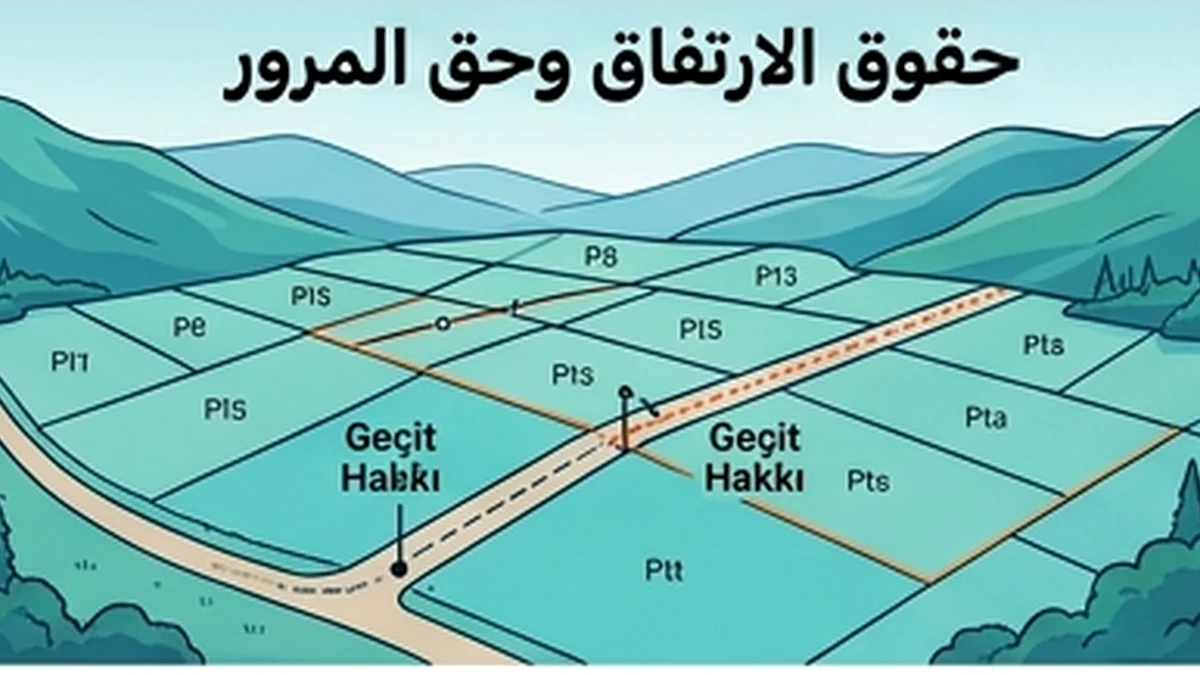
Change Impact Assessment — Easement Rights
An easement change can alter a property without changing ownership. A route may move, a burden may be narrowed or expanded, a beneficiary may change, a parcel subdivision may carry the right onto new parcels, or a deletion may remove an access right the buyer expected to use. The correct analysis is therefore a before-and-after assessment of both the legal entry and the physical plan.
Preserve the previous legal and physical baseline
Keep the earlier registry record, easement plan and cadastral configuration that supported the original decision. Then obtain the current versions. Compare the burdened property, beneficiary or benefited parcel, description, duration, registration reference and mapped area. A textual amendment that appears minor can be economically significant if the route shifts across a building footprint or removes access from the purchased parcel.
Determine whether the change is a burden or a lost benefit
For the burdened property, an expanded easement may reduce usable area, privacy or development flexibility. For the benefited property, deletion or narrowing may remove necessary access or utility rights. Do not analyse only negative burdens. A right that disappears from the benefited property can reduce value just as much as a new burden can.
Recalculate development and operational assumptions
If the property is land or a redevelopment asset, send the new plan to the architect, surveyor or relevant technical adviser. Re-test setbacks, circulation, utility routes, construction staging and usable area. For an income property, consider operational impacts such as third-party access, maintenance responsibilities or interference with tenant use. Quantify the difference where possible.
Revisit the valuation and contract
Compare the new state with the assumptions used in the valuation and negotiated price. If the price assumed a secure access right that has been narrowed, the valuation may need revision. If the seller promised a defined title position, check whether the change breaches a representation or closing condition. Document any price adjustment, waiver or termination decision.
Check the registry mechanics
The Civil Code and Land Registry Regulation govern establishment, continuation and deletion of easements. In subdivision situations, the right may continue across resulting parcels subject to the legal rules, so a cadastral change should trigger a specific review rather than an assumption that the old right automatically follows exactly as before. Confirm the final registration and plan after any amendment.
Close with a change matrix
Record old right, new right, old plan, new plan, affected property, practical effect, valuation effect, contract effect, responsible adviser and final decision. If a critical question remains unresolved, keep the payment or transfer condition open. A completed impact assessment should explain not just that the easement changed, but why the change does or does not alter the economic bargain.
Official sources
- Turkish Civil Code No. 4721, arts. 779-785.
- TKGM — Tapu Sicili Tüzüğü, including subdivision rules.
- TKGM — İrtifak Hakkı.
Quantify the operational consequence of the change
After identifying an easement amendment, translate it into the property functions that depended on the old wording: legal access, utility routing, maintenance burden, development footprint, parking or resale marketability. A change that looks minor on the register can be material if it moves a route across a planned building area, narrows vehicle access or transfers maintenance responsibility. Reconcile the amended instrument and plan to the valuation, financing assumptions and purchase contract, then document whether the correct response is acceptance, repricing, a condition precedent or withdrawal.