
Source Freshness Review — Easement Rights
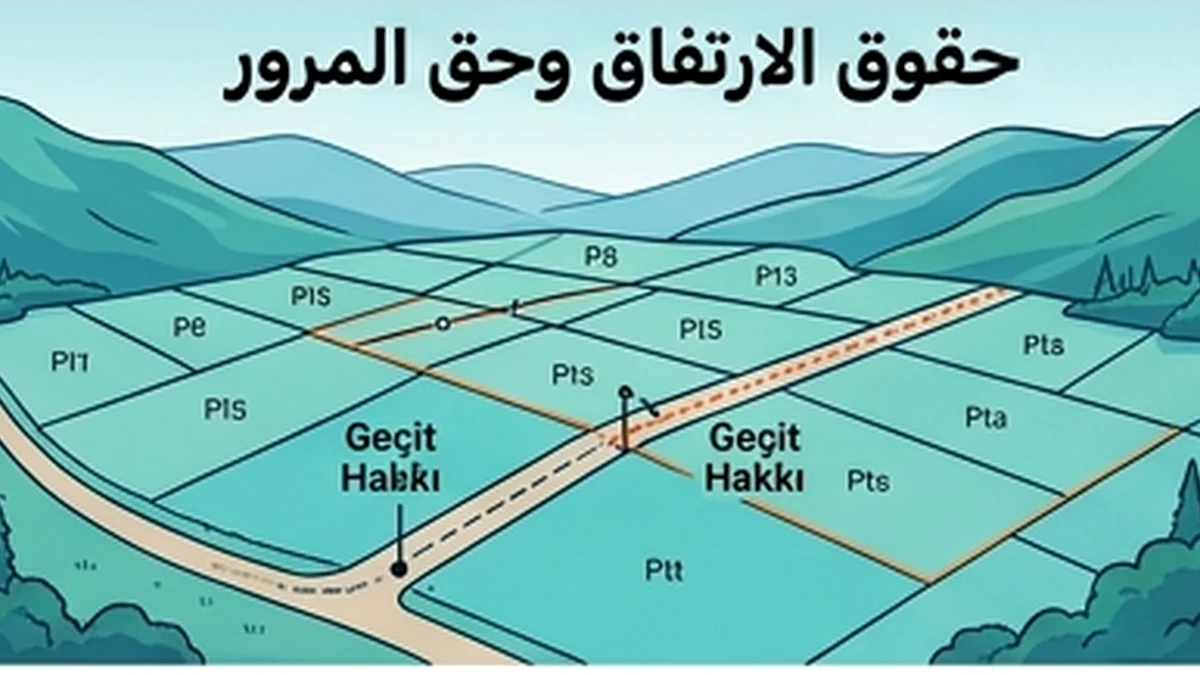
Easements are registered limited real rights that can materially affect how a property may be used, accessed, developed or sold. Their practical value depends on more than the label “easement exists.” A transaction file should know which property is burdened, which property or person benefits, the nature and scope of the right, whether a plan defines its location, whether the right has been amended, and whether any deletion has legally taken effect. Because these elements can change, source freshness is a transaction control rather than an administrative formality.
Start from the current land registry
The Turkish Civil Code provides that an easement in favour of immovable property is established through registration, and the Land Registry Regulation explains how easement entries are recorded. Obtain the most current official evidence available for the property and match it to the exact block, parcel and independent unit where relevant. If the right benefits another property, identify that property as well. A contract, seller statement or old title copy may explain history, but it does not replace the present registry position.
Check the legal identity of the right
Record whether the right is appurtenant to another property, personal, independent and permanent, or another registered form. Capture the beneficiary, burdened property, benefited property, duration if stated and the registration reference. Where the easement is spatial—such as a route, utility corridor or defined use area—obtain the plan or technical document that explains where the burden operates. A fresh register without the associated plan can still be incomplete for physical due diligence.
Identify events that make a source stale
A subdivision, merger, cadastral correction, new plan, amendment of the easement, transfer of an independent and permanent right, release agreement or deletion request can change the practical position. The Land Registry Regulation specifically addresses how easements are carried when a benefited or burdened property is subdivided. That means an extract from before a subdivision may not answer the current question even if the old right still appears conceptually similar.
Distinguish expiry from deletion
The Civil Code states that easements end by deletion of registration or destruction of the burdened or benefited property, with additional rules for specific circumstances. If a limited duration applies, registry deletion may still be a relevant procedural step. Do not mark a right “gone” simply because somebody believes its purpose ended. Verify what the competent registry currently records and whether a court, owner request or other legally sufficient basis was required.
Refresh at material transaction gates
Update the evidence before a non-refundable payment, before signing a contract whose price assumes unrestricted use, after any cadastral or planning change and near title transfer. For development land or access-sensitive property, refresh the technical plan as well as the legal entry. Store the check date, source, property identifiers and reviewer. If a right is accepted, record exactly what is accepted; if it must be removed, define the documentary and registry condition.
Freshness conclusion
A source is sufficiently fresh when it reflects the current registered easement and the documents necessary to understand its current physical and legal scope. The goal is not a fixed number of days. It is to ensure that the evidence used for the decision post-dates any event capable of changing the right and is recent enough for the financial commitment being made.
Official sources
- Turkish Civil Code No. 4721, arts. 779-785.
- TKGM — Tapu Sicili Tüzüğü, including easement registration and subdivision rules.
- TKGM — İrtifak Hakkı guidance.