
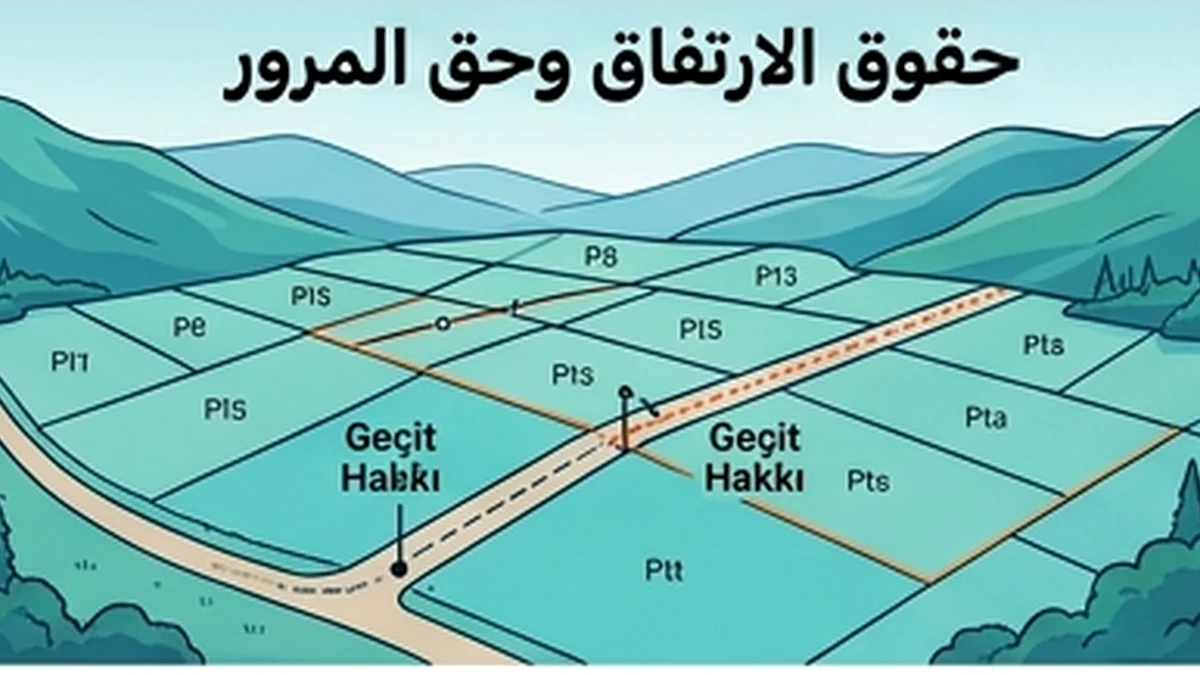
Deadline Readiness Review — Easement Rights
An easement file is closing-ready only when the buyer understands the exact registered right and its practical effect on the property being purchased. The relevant question is not whether the title “has an easement,” but whether that right is compatible with the intended use, purchase price, valuation, lender requirements and future resale. A deadline-readiness review converts the right into a clear decision before the buyer reaches a non-refundable or irreversible stage.
Identify the right and the affected land
Use a fresh registry entry and any associated plan to identify the burdened property, the benefited property or person, the type of easement, duration and physical route or area. Match the plan to the current cadastral configuration. For a development parcel, a narrow utility corridor across a corner may have a very different effect from a route crossing the proposed building footprint. Do not treat the legal label as a substitute for mapping the real burden.
Test intended use before the deadline
Ask whether the right affects vehicle access, pedestrian access, utility installation, buildable area, landscaping, privacy, subdivision or construction logistics. Where the buyer’s plan depends on a specific access or development assumption, obtain technical and legal confirmation before the deposit becomes non-refundable. The valuation should also reflect the actual burden or benefit, not a generic statement that the property has good access.
Reconcile the contract
If the easement will remain after transfer, disclose it precisely in the contract and make sure the buyer accepts its scope. If the seller promises deletion or amendment, write the required registry result and deadline. A statement that the seller will “solve the easement” is too vague. The contract should state whether failure permits postponement, retention of price, refund of deposit or termination.
Check lender and insurer requirements
A financing bank may have its own view of easements that affect access, value or marketability. Provide the current registry and plan to the lender early enough to avoid a last-minute refusal. If the right benefits the property rather than burdens it, confirm that the lender and valuer have not overlooked an access right that supports value. The same right can be positive for one parcel and burdensome for another.
Prepare a closing condition
Classify the easement as accepted, to be amended, to be deleted, or unresolved. For accepted rights, store the final registry and plan. For amendment or deletion, identify who must sign, what official instrument is required and what registry evidence proves completion. Recheck shortly before transfer where the issue is material. If the legal or physical scope remains uncertain, the related payment should not proceed merely because the appointment date has arrived.
Readiness standard
The file is ready when the right has been tied to the correct property and plan, its economic and practical effect has been understood, the contract and financing reflect the same position, and any promised change has a verifiable closing mechanism. Readiness is therefore a documented conclusion about the actual easement, not a checkbox stating that “title was reviewed.”
Official sources
- Turkish Civil Code No. 4721, arts. 779-785.
- TKGM — Tapu Sicili Tüzüğü.
- TKGM — İrtifak Hakkı.