
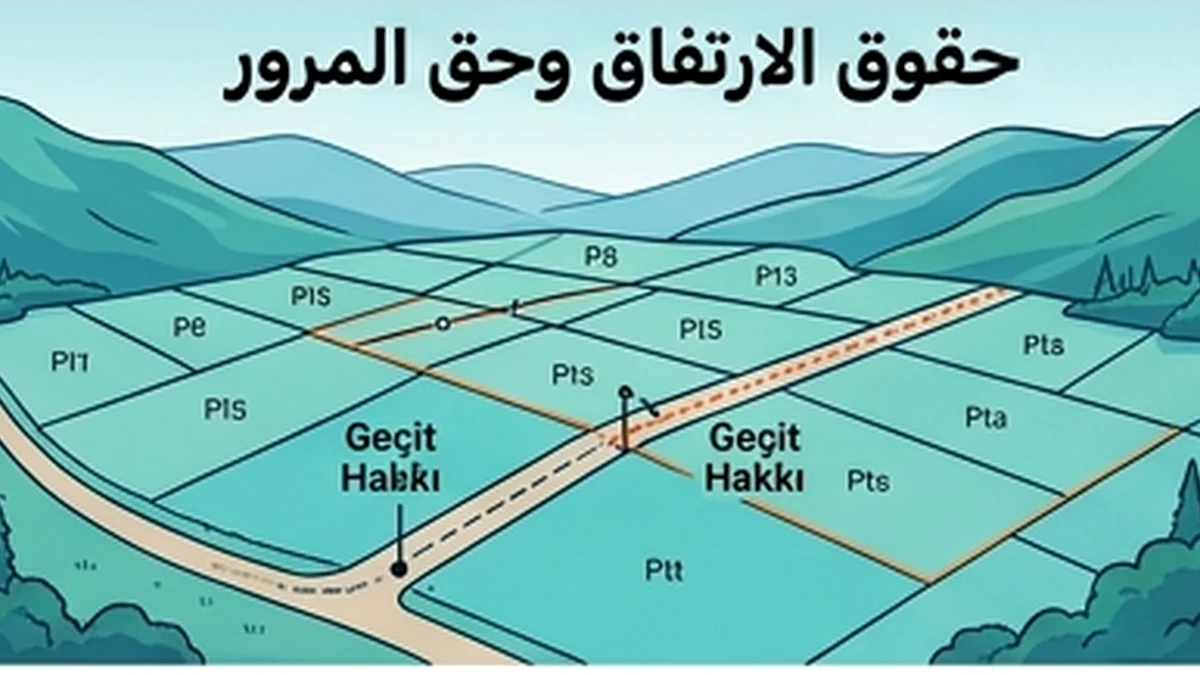
Document Version Reconciliation — Easement rights
Primary official evidence
Where multiple versions exist, do not assume the newest-looking copy is controlling merely because of its date. Reconcile transaction number, issuing authority, property identifiers and linked registry entry, then identify the version governing the deal file. An easement is a real right that can require a property to tolerate a use or benefit in favor of another person or property. Check the type, benefited and burdened property, area or route, duration and whether it conflicts with intended construction, use or financing. The Land Registry Regulation governs how easements are registered, and TKGM publishes separate procedures for creating or relinquishing them. The effect should be read from both the registry and the instrument creating the right, not from the short label alone. When versions differ, compare identifiers, issue dates, scope and issuing authority and explain which version is operative instead of assuming that the newest-looking file controls.
Key verification points
The Land Registry Regulation governs how easements are registered, and TKGM publishes separate procedures for creating or relinquishing them. The effect should be read from both the registry and the instrument creating the right, not from the short label alone. Where multiple versions exist, do not assume the newest-looking copy is controlling merely because of its date. Reconcile transaction number, issuing authority, property identifiers and linked registry entry, then identify the version governing the deal file.
Document and identity reconciliation
An easement is a real right that can require a property to tolerate a use or benefit in favor of another person or property. Check the type, benefited and burdened property, area or route, duration and whether it conflicts with intended construction, use or financing. Where multiple versions exist, do not assume the newest-looking copy is controlling merely because of its date. Reconcile transaction number, issuing authority, property identifiers and linked registry entry, then identify the version governing the deal file.
Timing and change risk
For Document Version Reconciliation — Easement rights, start by reconciling “For foreign-buyer transactions, TKGM lists transaction documents including identity information, earthquake insurance for buildings and the foreign-exchange purchase document where applicable.” with “A defensible review ties parcel/block, independent-unit number, ownership share and encumbrances to the exact property before any material payment.”, then use “Before signing a contract or amendment that changes rights or obligations.” as an independent cross-check if they conflict. The evidence must relate to the same property and transaction period.
Decision standard
For Document Version Reconciliation — Easement rights, do not rely only on an image supplied by the seller. Re-check the entry or right through the available official channel and compare number, date, scope and authorized party. Independent sourcing reduces the risk of stale or selectively presented evidence. An easement is a real right that can require a property to tolerate a use or benefit in favor of another person or property. Check the type, benefited and burdened property, area or route, duration and whether it conflicts with intended construction, use or financing. The Land Registry Regulation governs how easements are registered, and TKGM publishes separate procedures for creating or relinquishing them. The effect should be read from both the registry and the instrument creating the right, not from the short label alone.
For Document Version Reconciliation — Easement rights, What official evidence should control this check?
For Document Version Reconciliation — Easement rights, translate each restriction or right into measurable financial consequences: release/correction cost, financing delay, reduced use, dispute exposure or lower resaleability. The existence of an entry alone does not show its economic size. An easement is a real right that can require a property to tolerate a use or benefit in favor of another person or property. Check the type, benefited and burdened property, area or route, duration and whether it conflicts with intended construction, use or financing. The Land Registry Regulation governs how easements are registered, and TKGM publishes separate procedures for creating or relinquishing them. The effect should be read from both the registry and the instrument creating the right, not from the short label alone.
For Document Version Reconciliation — Easement rights, Which details must match across the transaction file?
For Document Version Reconciliation — Easement rights, consider how a future buyer or lender will view the same restriction or right. If it requires complex explanation today, it will likely do so at exit; establish a documentation, release or acceptance plan before investing. An easement is a real right that can require a property to tolerate a use or benefit in favor of another person or property. Check the type, benefited and burdened property, area or route, duration and whether it conflicts with intended construction, use or financing. The Land Registry Regulation governs how easements are registered, and TKGM publishes separate procedures for creating or relinquishing them. The effect should be read from both the registry and the instrument creating the right, not from the short label alone.
For Document Version Reconciliation — Easement rights, What discrepancy requires further verification?
For Document Version Reconciliation — Easement rights, the Land Registry Regulation governs how easements are registered, and TKGM publishes separate procedures for creating or relinquishing them. The effect should be read from both the registry and the instrument creating the right, not from the short label alone. Do not rely only on an image supplied by the seller. Re-check the entry or right through the available official channel and compare number, date, scope and authorized party. Independent sourcing reduces the risk of stale or selectively presented evidence. When versions differ, compare identifiers, issue dates, scope and issuing authority and explain which version is operative instead of assuming that the newest-looking file controls.