
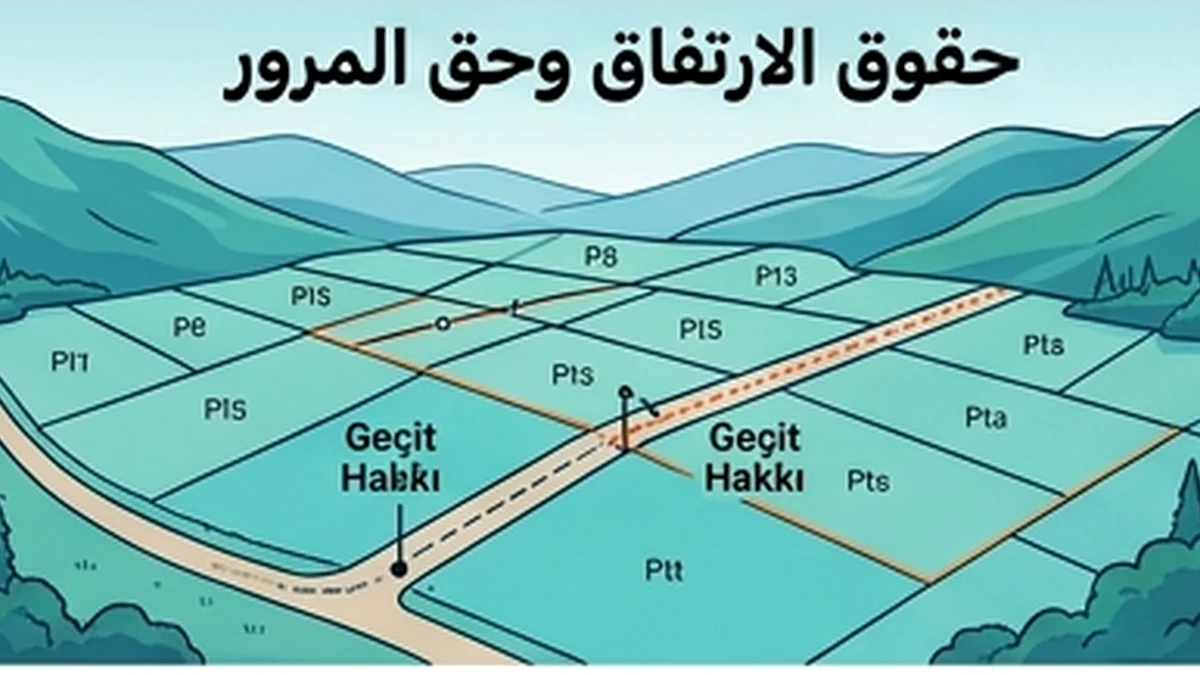
Closing-Day Recheck — Easement rights
Core question
Make the conclusion reproducible by another reviewer. For “Closing-Day Recheck — Easement rights”, begin with easement and rights and make sure both relate to the same asset, party and review date.
Required evidence
Build the evidence set around easement, rights, closing, recheck, official and source. Mark each as verified, conflicting, stale or unavailable.
- rights
- closing
- date
- identity
- official
- easement
Decision rule
Practical cure
Failure scenario
- recheck
- identity
- easement
- official
- closing
- source
Independent check
Check closing independently from the person or document that supplied easement. If it conflicts with recheck, identify the authoritative owner of the fact and obtain a fresh record.
Audit trail
Record-specific evidence matrix
| Item | Cross-check | Status |
|---|---|---|
| recheck | official | Open / Verified |
| date | source | Open / Verified |
| closing | identity | Open / Verified |
Official sources
seizure / Haciz verification
How can seizure / Haciz verification affect future resale?
The decisive evidence point is this: Every Haciz/attachment should be checked against a current title record with the issuing enforcement file or authority and current status; a promise that it will be removed is not evidence of release. Preserve the record in a form that a later buyer can audit against the same property.
Which record about seizure / Haciz verification will a later buyer expect to see?
For the decision itself, use this rule: Every Haciz/attachment should be checked against a current title record with the issuing enforcement file or authority and current status; a promise that it will be removed is not evidence of release. Use the current official or signed record for the same property and parties.
What seizure / Haciz verification problem is easier to correct before purchase?
The transaction should remain open until this is resolved: Every Haciz/attachment should be checked against a current title record with the issuing enforcement file or authority and current status; a promise that it will be removed is not evidence of release. Resolve contradictions across the transaction file instead of choosing the most convenient version.
Easement-right verification
Identify the benefiting and burdened property, legal basis, scope and registration details of every easement. Do not infer the right from physical use alone.
Assess effects on use, building, access, finance and resale before accepting the property.
Evidence and decision plan for Closing-Day Recheck — Easement rights
The due-diligence purpose of “Closing-Day Recheck — Easement rights” is to repeat the critical checks immediately before completion so stale evidence is not mistaken for current status. A reviewer should be able to trace every material conclusion to a current source and identify any assumption that has not yet become evidence.
Evidence to assemble
- For “Closing-Day Recheck — Easement rights”, match the property and party identifiers in the evidence to the asset and people actually involved; a correct document for the wrong unit or person does not close the check.
- For “Closing-Day Recheck — Easement rights”, record issuer, source, issue or retrieval date and version where available, then distinguish an original/current record from a scan, translation, draft, expired copy or superseded version.
- For “Closing-Day Recheck — Easement rights”, compare documentary status with the physical, payment or operational reality relevant to the topic and write down every unexplained difference before commitment.
- For “Closing-Day Recheck — Easement rights”, convert each unresolved difference into a named condition: evidence required, person responsible, deadline and the consequence if the condition is not satisfied.
Official reference to recheck
The source register for “Closing-Day Recheck — Easement rights” includes TKGM — Takyidat / Encumbrance Information (https://www.tkgm.gov.tr/en/node/3347). Use that source for the matters within its authority and recheck it when timing or rules are material; it does not replace a registry, engineering, tax, banking or contractual record that the specific decision separately requires.
Decision boundary
For “Closing-Day Recheck — Easement rights”, a residual issue should remain open whenever its legal, technical, tax, payment or cost consequence cannot yet be measured. The file is ready only when that issue is closed or consciously accepted by the appropriate decision-maker.
Closing-day recheck — easement rights
On transfer day, recheck the easement column and any linked plan, especially if the deal depends on access, utility rights or the absence of a particular burden. Confirm that no new easement has been entered and that a right the buyer relies on has not been deleted since the last review.
A late easement change is not merely technical: it can alter access, use and resale value. Tie any contractual condition to the current register position and preserve the final title/easement evidence in the closing file.