
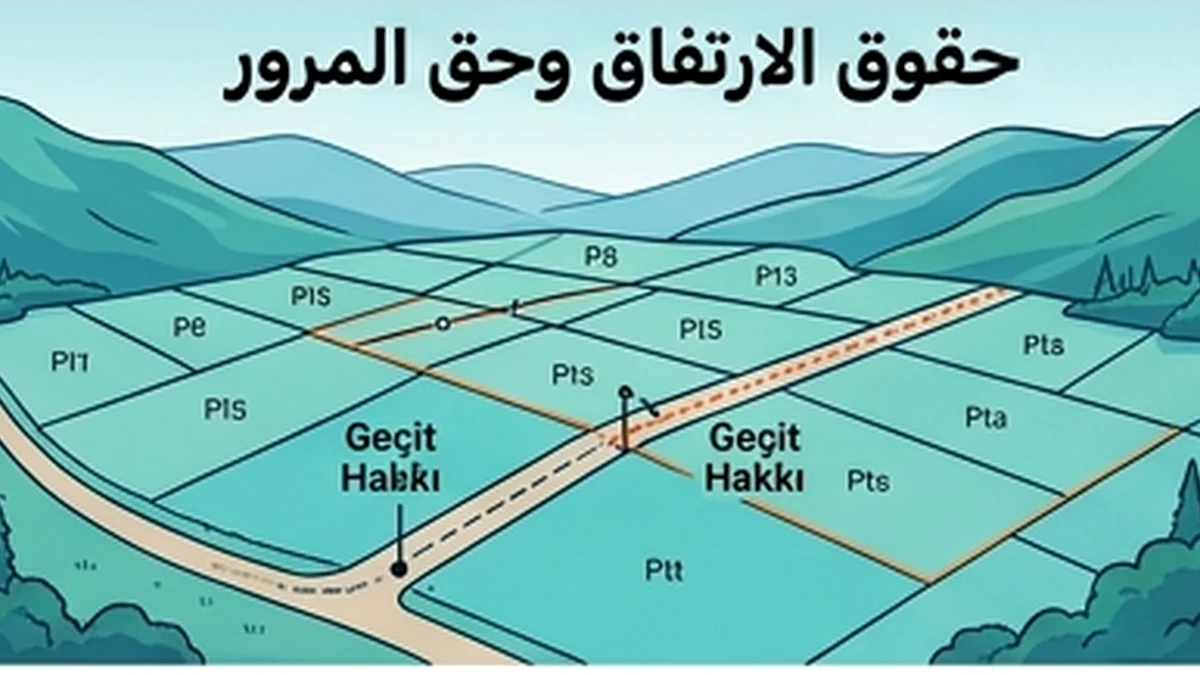
Change Control — Easement rights
A practical Change Control workflow for Easement rights, focused on evidence, timing, record reconciliation, exception closure and an auditable decision.
Verified facts relevant to this topic
Purpose of this guide
Change Control — Easement rights applies an operational verification workflow to Easement rights. The specific objective is to record every change in document, price, party or date and compare it with the version on which the earlier decision was based. A fact should not be treated as operationally reliable merely because it exists; it must be tied to the correct property, party and date and supported by evidence that another reviewer can audit later.
When to use this review
- Before signing a contract or amendment that changes rights or obligations.
- Before sending money or changing a beneficiary or account.
- When a new version of a previously relied-on document arrives.
- When there is a new version or a change in amount, party or date.
- When the database and a primary document or official source disagree.
- Before final closing when the information can change over time.
Change Control — Easement rights
A practical Change Control workflow for Easement rights, focused on evidence, timing, record reconciliation, exception closure and an auditable decision.
Financial and operational impact
Verified facts from official sources
Change control
Practical FAQ built from the record’s verified facts
What official fact about easement rights should a buyer verify during an independent verification?
An easement is a real right that can require a property to tolerate a use or benefit in favor of another person or property. Check the type, benefited and burdened property, area or route, duration and whether it conflicts with intended construction, use or financing. If the entry number, description, beneficiary or scope changes during due diligence, preserve both old and new versions with the date and reason. The risk is not every change itself, but relying on an obsolete record after the registry changed.
Which document fields or legal details on easement rights matter most during an independent verification?
If the entry number, description, beneficiary or scope changes during due diligence, preserve both old and new versions with the date and reason. The risk is not every change itself, but relying on an obsolete record after the registry changed. An easement is a real right that can require a property to tolerate a use or benefit in favor of another person or property. Check the type, benefited and burdened property, area or route, duration and whether it conflicts with intended construction, use or financing. The Land Registry Regulation governs how easements are registered, and TKGM publishes separate procedures for creating or relinquishing them. The effect should be read from both the registry and the instrument creating the right, not from the short label alone.
What can go wrong with easement rights during an independent verification, and what evidence resolves it?
The Land Registry Regulation governs how easements are registered, and TKGM publishes separate procedures for creating or relinquishing them. The effect should be read from both the registry and the instrument creating the right, not from the short label alone. If the entry number, description, beneficiary or scope changes during due diligence, preserve both old and new versions with the date and reason. The risk is not every change itself, but relying on an obsolete record after the registry changed.
Sources for this section were reviewed on 16 August 2026.
- TKGM — Tapu Sicili Tüzüğü
- TKGM — TAKBİS Book / Easement Transactions
- Ministry of Justice — Legal Dictionary: İrtifak
Change control for easement rights
When holder, route or scope changes, compare registry and map before and after and reassess property use. Preserve the former version because the change chain is important in any later transaction.