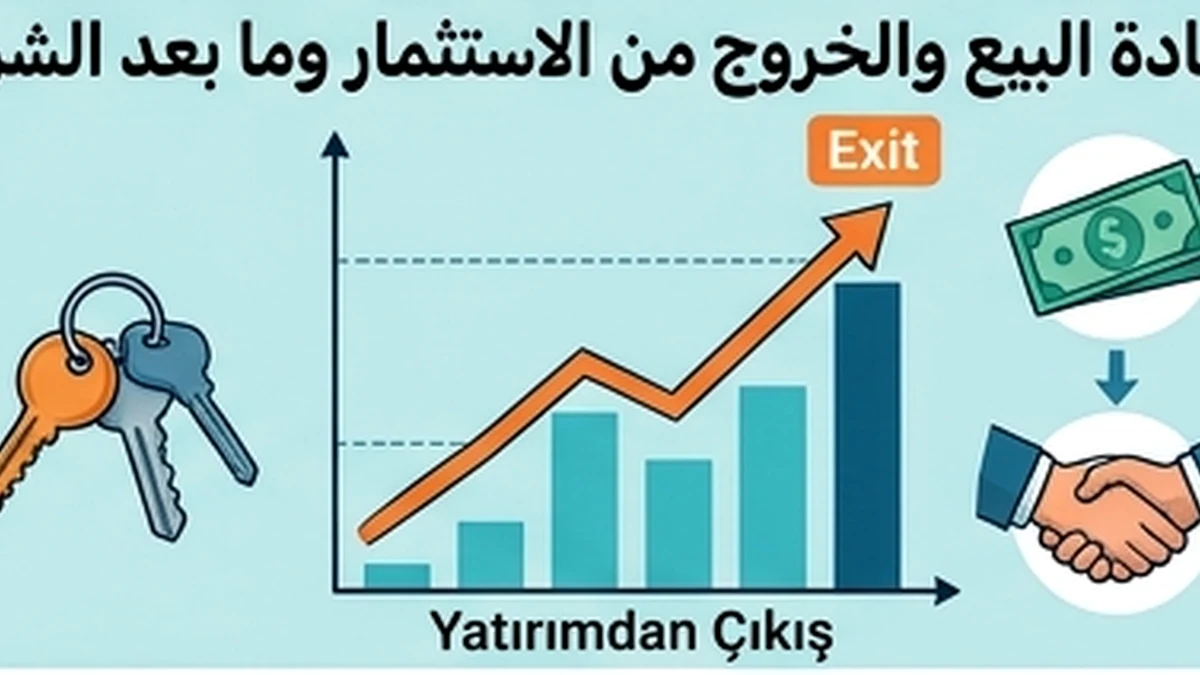
Plan the exit before marketing
Define whether the exit means an immediate sale, sale after refurbishment or staged sale of multiple units. Distinguish the likely asking price from supportable sale evidence and set an acceptable holding period and cash requirement.
Calculate proceeds, not headline price
Build a net-proceeds worksheet: estimated sale price less applicable transaction costs, verified loan settlement, outstanding building charges, agreed repairs and any tax actually applicable to the owner. Reconcile total equity contributions and cash received to compute the realised result; a rise in listed price is not a realised profit.
Prepare a buyer-ready record
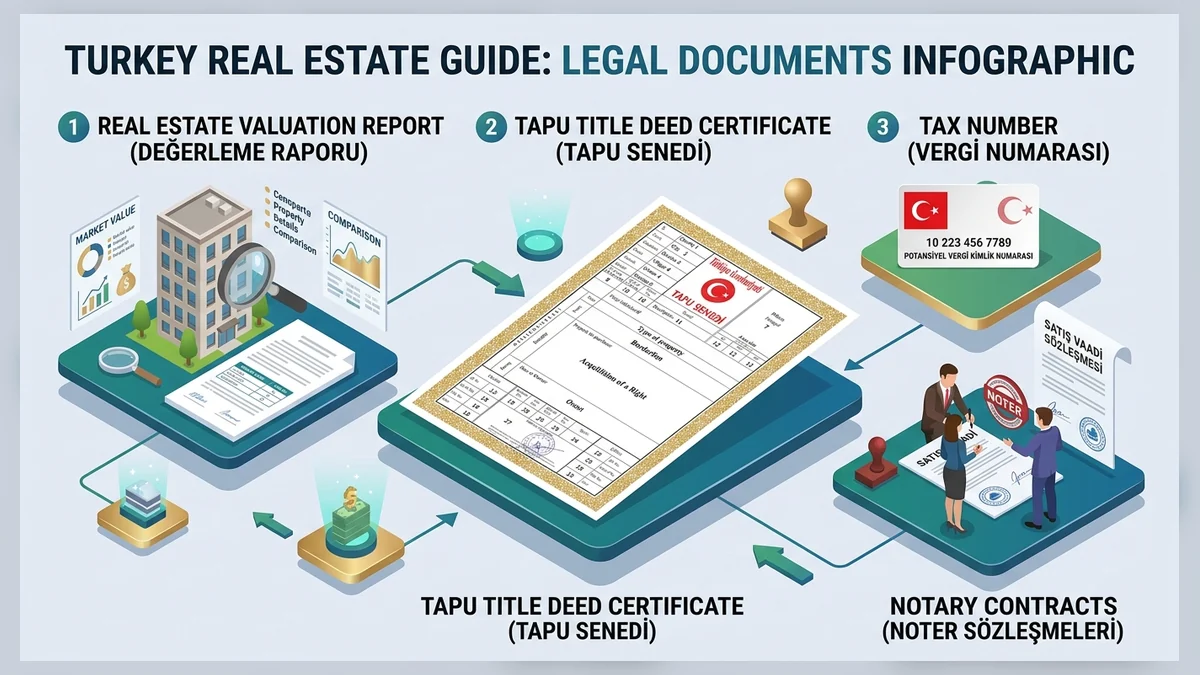
Confirm title, seller authority, encumbrances and the condition and permissible use of the unit. Assemble current photographs, documented area, management-dues position, occupancy/lease records where relevant, maintenance history and any technical reports. Do not advertise unverified permits or a guaranteed yield.
Choose a sale scenario
Compare baseline, extended marketing and discounted-sale cases. Include continued financing, vacancy, maintenance, exchange-rate exposure and any tenant-related obligations during the marketing period. Agree written broker scope, fees and evidence for price revisions.
Close and hand over
Use documented payment-release and title-transfer steps; reconcile the final statement, subscriptions, keys and signed handover. Retain tax, banking and transaction records for the applicable retention period.
For sale-related taxable gains, consult the Revenue Administration guidance and a qualified adviser: the actual rules depend on acquisition facts, owner status and sale date.