
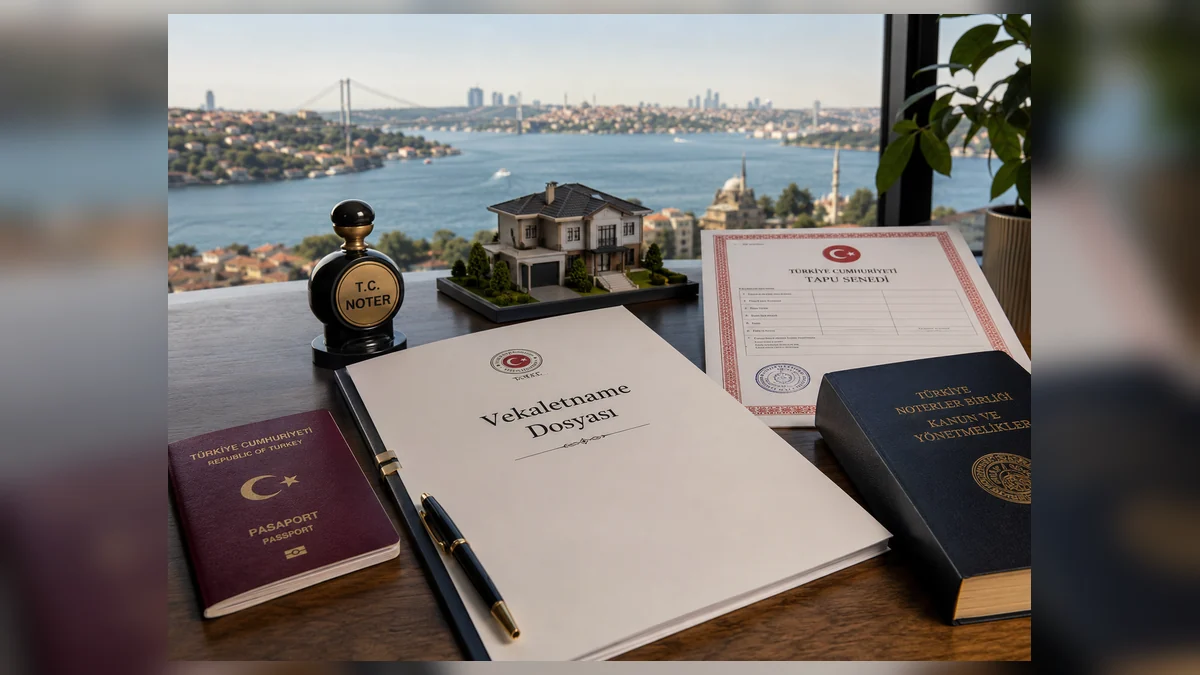
Resale File Preservation — Closing Appointment
Preserve the closing as a transaction history
After title transfer, the operational pressure disappears and closing messages are often deleted. That is a mistake. The completed land-registry case is a valuable acquisition history showing how the application was made, who participated, which property was processed, which documents were accepted, what exceptions arose and what was finally registered. A future resale, inheritance, tax review, dispute or compliance check may need this history. Preserve it as evidence of the past, not as a set of documents assumed to remain current forever.
Keep the application and official communication chain
Retain the actual application/case reference, submission confirmation, relevant WebTapu/Alo 181 or office messages, requests for missing information, replacement instructions, procedural invitations and any return/resubmission records. Since the current process differs from the former e-Randevu route, preserving the actual channel used is important. Do not save only screenshots without dates or references; where possible keep the original file/message or a clearly labelled export.
Preserve the identity and authority set used at closing
Keep copies or lawful records of the identities and powers/representation evidence that were actually relied on, subject to data-protection and retention rules. For company parties, preserve the relevant representation evidence from the transaction time. If a power changed during the case, keep both the superseded and final versions with labels. At resale, these materials explain history, but they must not be reused automatically without current revalidation.
Link the exact registered property to the transaction file
Store the final land-registry result together with the block/parcel/independent-unit identifiers and the acquisition transaction reference. If property identifiers changed during the process, preserve the bridge and change log. Marketing project names are secondary metadata; the official registered identifiers are what allow a future reviewer to know which property the archive concerns. This is especially important for owners with multiple units in the same project.
Keep fee/payment evidence without confusing it with title
Preserve official fee notices, payment receipts and other relevant transaction-cost evidence under the same case. Also retain the purchase-payment evidence in the broader acquisition archive. But label each item by function: a fee receipt proves a fee payment; a bank transfer proves funds movement; the registry result proves the registered act. Future due diligence becomes more reliable when evidence types are connected but not treated as interchangeable.
Preserve exceptions and corrected versions
If the case was returned, rescheduled, corrected or affected by an identity/authority/property issue, keep the exception record and resolution evidence. A perfectly “clean” folder can be less useful than an honest one showing why a change occurred. Mark obsolete messages and documents as superseded, not deleted. The final active version should be obvious, while historical versions remain available to explain discrepancies.
Build a one-page resale index
At closing completion, create an index with the final registration, application reference, office, key dates, parties, representation, property identifiers, key official messages, fees, payment evidence location and exception history. State which items are historical only. This index is not a substitute for documents; it is a map that lets the future owner, adviser or auditor find the right evidence quickly without opening every file.
Protect sensitive data and backups
Closing files contain identity, contact, payment and authority data. Limit access to legitimate roles, encrypt or otherwise protect backups, and avoid uncontrolled copies in personal messaging accounts. Retention should follow applicable legal/business obligations. If a future resale review needs only selected evidence, share the minimum necessary rather than exporting the entire acquisition file.
Revalidate everything current at resale
The preserved file speeds up the next transaction but does not replace new evidence. At resale obtain current land-registry data, identity, representation, insurance, tax and other required materials. The old application reference proves historical process, not the current title state; the old representative may no longer be authorised; a previous fee amount or workflow message may be obsolete. Good preservation explains the acquisition while keeping the next sale grounded in current official information.