
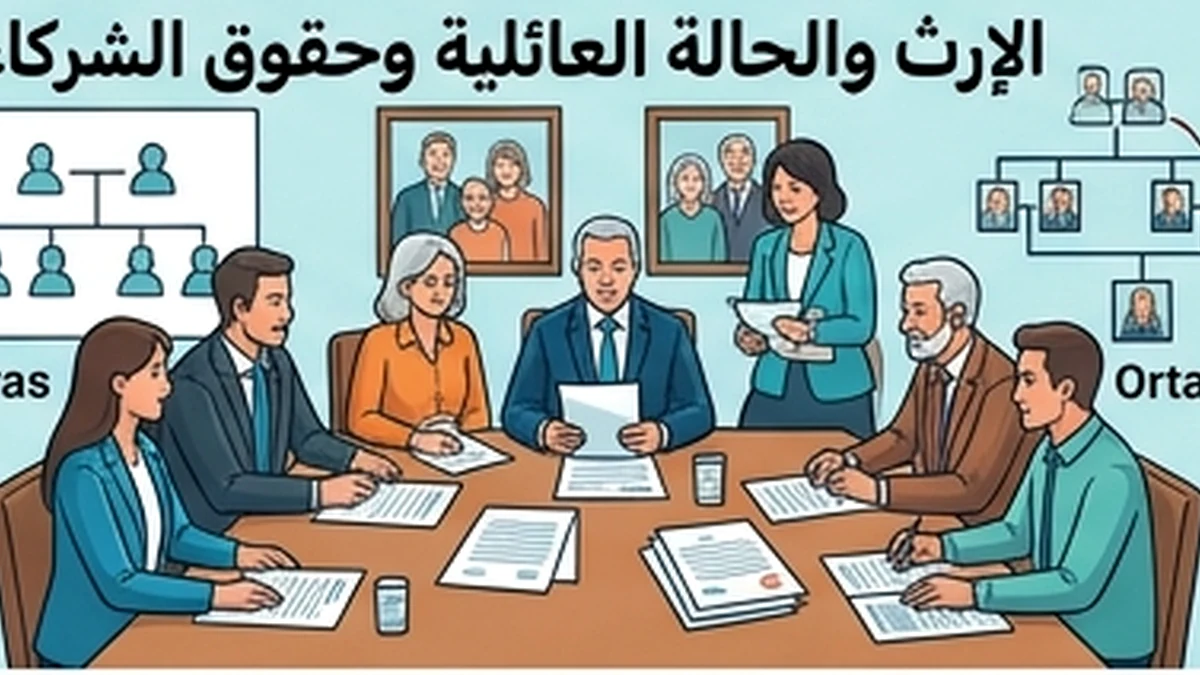
Resale File Preservation — Inheritance ownership records
A practical Resale File Preservation workflow for Inheritance ownership records, focused on evidence, timing, record reconciliation, exception closure and an auditable decision.
Verified facts relevant to this topic
Purpose of this guide
Resale File Preservation — Inheritance ownership records applies an operational verification workflow to Inheritance ownership records. The specific objective is to preserve documents, decisions and evidence so a later ownership review is faster and more provable for resale or financing. A fact should not be treated as operationally reliable merely because it exists; it must be tied to the correct property, party and date and supported by evidence that another reviewer can audit later.
When to use this review
- Before signing a contract or amendment that changes rights or obligations.
- Before sending money or changing a beneficiary or account.
- When a new version of a previously relied-on document arrives.
- When there is a new document or a change in right, obligation or cost.
- When the database and a primary document or official source disagree.
- Before final closing when the information can change over time.
Retrievable documentation
Financial and operational impact
Verified facts from official sources
Inheritance ownership verification
Preserve documents so a future buyer, lender or auditor can review the file without reconstructing it from scratch.
Practical FAQ built from the record’s verified facts
What official fact about inheritance ownership records should a buyer verify before a non-refundable commitment?
Start with the inheritance certificate issued by the competent court or notary, then reconcile heirs and shares with the land-register record after intikal. A will alone does not prove completed registration. Preserve documents so a future buyer, lender or auditor can review the file without reconstructing it from scratch.
Which document fields or legal details on inheritance ownership records matter most before a non-refundable commitment?
Preserve documents so a future buyer, lender or auditor can review the file without reconstructing it from scratch. Start with the inheritance certificate issued by the competent court or notary, then reconcile heirs and shares with the land-register record after intikal. A will alone does not prove completed registration. TKGM permits inheritance registration with the required inheritance certificate and documents, and explains that registration can occur before full inheritance-tax payment, while later disposal may be blocked until the property-related tax is paid.
What can go wrong with inheritance ownership records before a non-refundable commitment, and what evidence resolves it?
TKGM permits inheritance registration with the required inheritance certificate and documents, and explains that registration can occur before full inheritance-tax payment, while later disposal may be blocked until the property-related tax is paid. Preserve documents so a future buyer, lender or auditor can review the file without reconstructing it from scratch.
Sources for this section were reviewed on 16 August 2026.
- TKGM — Inheritance Required Documents
- TKGM — Inheritance Transfer Guide
- TKGM — Inheritance Tax and Disposal FAQ
Resale File Preservation — Inheritance ownership records
For future resale of inherited property, preserve enough evidence to reconstruct the ownership chain from the deceased to the heirs and then to the current owner. Keep the inheritance certificate, any representation or court documents, the inheritance-registration evidence, the resulting registry record, evidence that tax conditions affecting a later disposition were cleared, and any agreement or judgment that changed shares. If co-owned inherited property was later sold, retain who signed and how proceeds were handled. The final title alone may not explain how the current owner acquired the exact share now being resold.