Verify identity and authority first
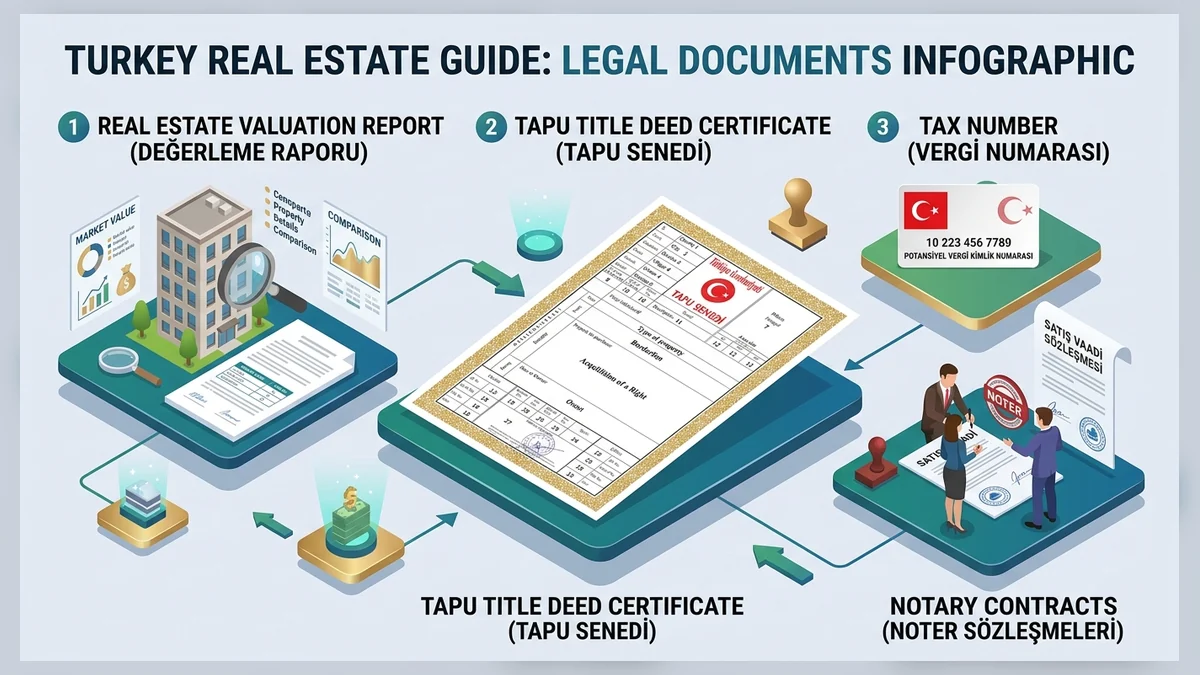
Check the identity and signing authority of the seller or representative through appropriate official channels. Match the property address, block/parcel and independent-unit information to current title documents. A screenshot, listing or sales brochure is not proof of ownership.
Check the document trail
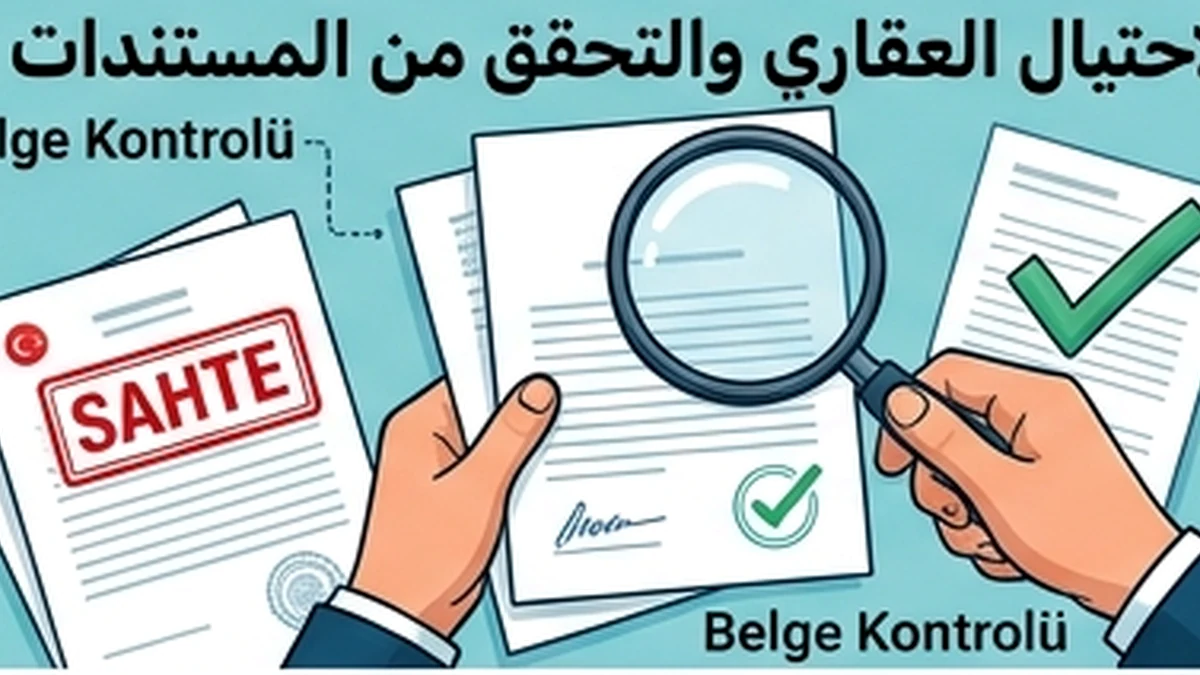
Request current title and relevant restrictions, documented permits and occupancy status when applicable, a properly dated contract and any notarised authority. Verify important documents with the issuing body or a qualified independent professional, not only a contact supplied by the counterparty. Public parcel lookup helps identify land but does not reveal every ownership or encumbrance fact.
Payment and communication controls
Confirm beneficiary name and account instructions through a separately verified channel. Reconcile deposit, staged payments and release conditions with the signed contract. Treat urgent requests to change bank details, pressure to pay before verification and inconsistent document identifiers as red flags requiring a stop and independent review.
If a mismatch appears
Preserve original messages and documents, avoid further transfers until facts are checked, contact your bank promptly if a suspicious transfer has occurred and obtain appropriate legal advice about reporting options. Do not publish a fraud allegation as a verified finding without evidence.
Transaction checklist
Seller identity; authority; parcel/unit match; title restrictions; permit/occupancy review; beneficiary reconciliation; signed contract; independent document verification; dated audit trail.
Official parcel starting point: TKGM. Access to ownership and encumbrance records may require an authorised process.