
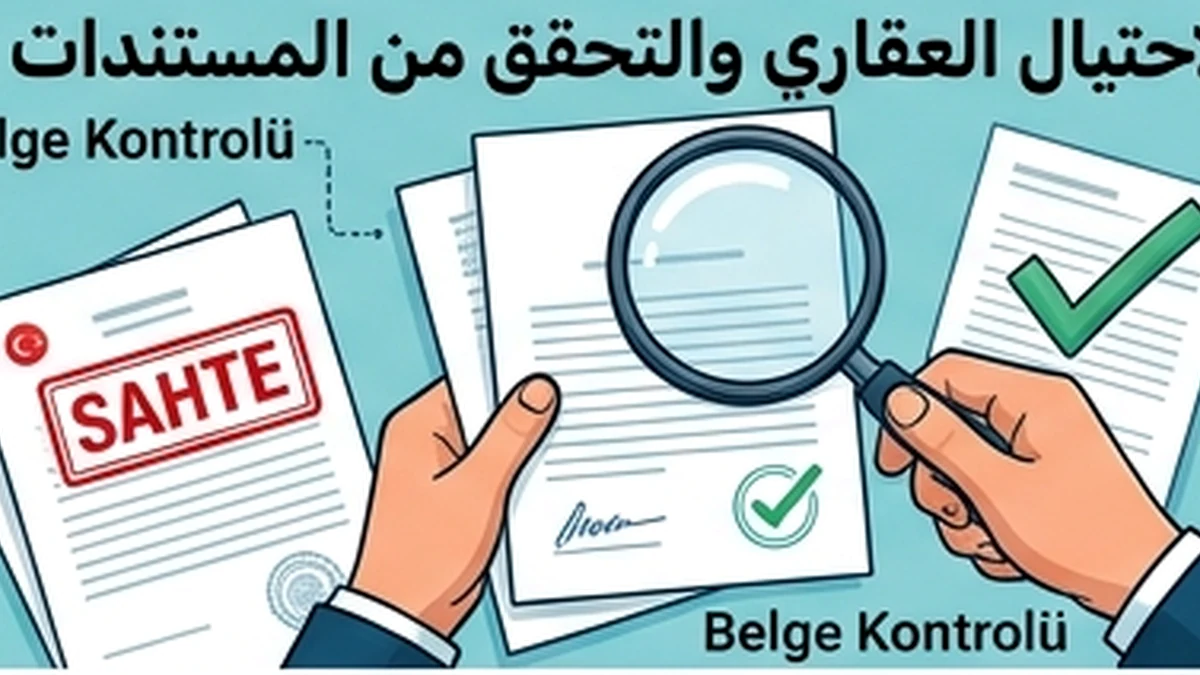
Payment Instruction Change Verification Core point A change in payment instructions is a high-risk fraud point, especially when it arrives by a new email or message near closing. How to verify it Do not verify the new account by replying to the same message; contact the party through a previously known number/channel and compare beneficiary name, IBAN and reason for change.
Decision impact Document who requested the change, when and how it was verified, and do not release funds while any mismatch remains between contract, beneficiary and account.
Advertising, brokerage and representation authority
For a company, use MERSİS and the Trade Registry Gazette/registry to identify the legal name, representation structure and published changes, and match the signer to a current authority document or resolution. A change of manager, authorised signatory or signature scope must trigger a fresh authority check before commitment. For each fact use a source capable of proving it and link the result to its effect on purchase, ownership or cost. Advertising authority, brokerage authority and corporate authority are three different questions.
The Ministry of Trade introduced EİDS identity verification and then real-estate advertisement authorisation; advertisement-authority verification became mandatory from 1 January 2025. That proves the route by which an advertisement may be published, not an automatic power for the broker to sell the property, receive the price or sign for the owner. Where a broker is involved, check the brokerage authorisation and office record, then independently verify the registered owner and any representative through TKGM evidence. The financial effect should be expressed in a traceable number—price, cash flow, tax, amount at risk or remediation cost—not in a vague label such as “acceptable”. Turn the review topic into provable facts: identity, date, amount, registry status, document or technical condition.
Payment trail and beneficiary proof
Preserve the transfer order, bank confirmation, posting evidence and a reference linking the transfer to the exact instalment. Keep a reservation deposit, sale price and brokerage commission separate, and never replace an auditable banking trail with an oral confirmation. The payment path is part of transaction due diligence, not a separate bookkeeping step. Turn the review topic into provable facts: identity, date, amount, registry status, document or technical condition.
Match beneficiary name, bank account, currency, amount and transfer reference to the contract and to the seller or properly authorised recipient, and independently verify any change in payment instructions before sending funds. A request to use a new account, a third party or a route outside the agreed structure is a stop signal until authority and reason are resolved. TKGM also has specific foreign-exchange purchase-document instructions for foreign transactions where they apply, so not every bank receipt serves the same legal purpose. The financial effect should be expressed in a traceable number—price, cash flow, tax, amount at risk or remediation cost—not in a vague label such as “acceptable”. For each fact use a source capable of proving it and link the result to its effect on purchase, ownership or cost.
Property identity and the current registry
Read mortgages, attachments, annotations, easements and other restrictions before a material commitment. For each fact use a source capable of proving it and link the result to its effect on purchase, ownership or cost. Web Tapu allows applications for transactions such as sale, mortgage and inheritance transfer, but it does not make an earlier registry copy current evidence. If a representative acts, check the representation document against the party’s identity, scope of authority and transaction type.
A mismatch in unit, share, owner or a newly added restriction requires the file to be reconciled again before payment or completion. The current TKGM land-registry record is the starting point for proving the owner and the property; an old title-deed copy or an advertisement is not a substitute. Match the name and identity or legal-entity details, province, district, neighbourhood, ada/parsel and the independent-unit number where applicable. The financial effect should be expressed in a traceable number—price, cash flow, tax, amount at risk or remediation cost—not in a vague label such as “acceptable”. Turn the review topic into provable facts: identity, date, amount, registry status, document or technical condition.
A payment-instruction change needs an independent verification chain
If a new bank account or different beneficiary appears after terms were agreed, do not treat the latest message as an automatic amendment to the deal. Freeze the transfer, compare the name and account with the signed version and the seller or authorised recipient, then confirm the change through an independent channel with a person whose authority is already known—not through the same email address or phone number that sent the request. Record who requested the change, when, why and who approved it, and preserve both the old and new instructions plus evidence of the confirmation. If the beneficiary is a third party, the reason and authority for receiving the money should be explicit in the transaction file. A technically successful transfer to the wrong legal recipient can be harder to cure than an ordinary document defect.