
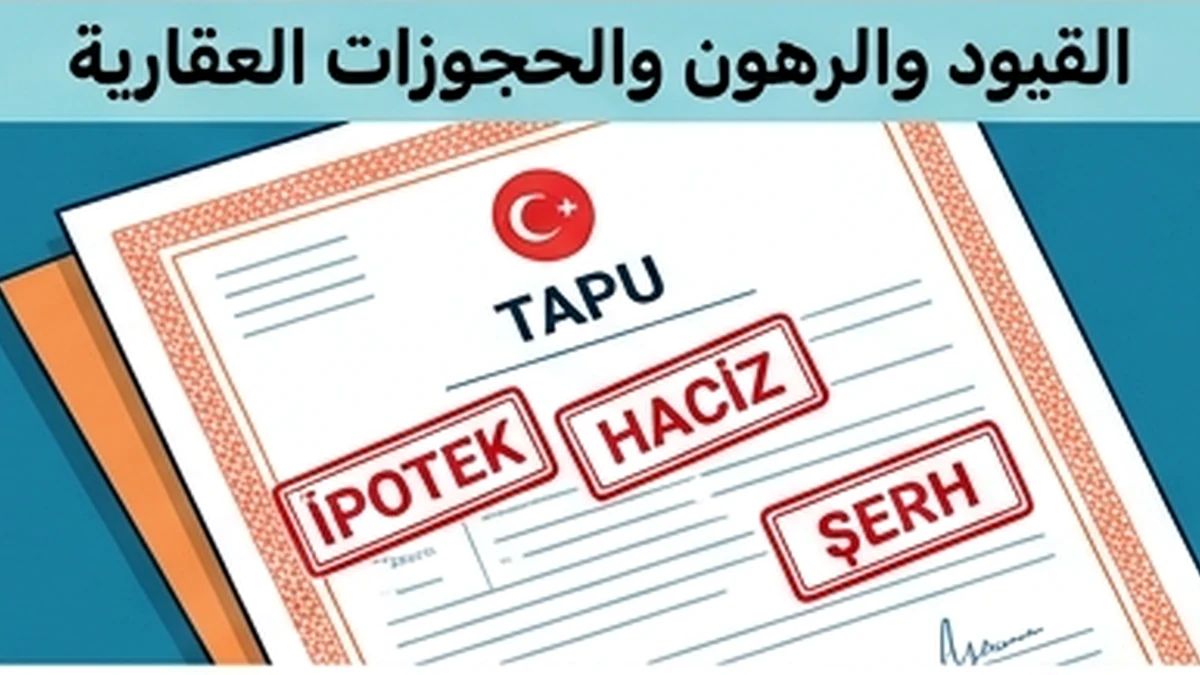
Source Freshness Review — Seizure and Attachment Status
An attachment or enforcement entry is highly time-sensitive evidence. A title extract that was adequate for an early offer may be unsafe for a later deposit, bank disbursement or title transfer because a new attachment can be registered after the first review, and an old attachment may be deleted only after the legally effective process is completed. TKGM’s e-Haciz system allows enforcement offices to transmit establishment and deletion requests electronically through UYAP/TAKBİS. That operational speed is precisely why a source-freshness review should be tied to the decision date rather than treated as a one-time due-diligence task.
Define what “fresh” means for the decision
There is no useful universal number of days that makes every title extract current enough. Freshness depends on the consequence of being wrong. An early market comparison can tolerate older contextual information; a non-refundable payment or title transfer cannot. For a high-consequence step, obtain the current official title/encumbrance evidence available through the competent land-registry process and record the extraction or verification time. The file should show which decision the evidence supported.
Verify the exact attachment, not a generic statement
Match the entry to the correct property and identify the authority or enforcement context, date and available reference. If there are several attachments, track them separately. A seller’s statement that “the haciz was removed,” a lawyer’s email saying a request was sent, and a current registry record showing the deletion are not equivalent. The source hierarchy should place the current official registry result above informal assurances about what is expected to happen.
Understand that deletion rules have conditions
The Tapu Sicili Tüzüğü contains specific rules for deletion. Article 69 states the general bases for deletion and also provides a particular owner-request mechanism for certain attachments that have not been renewed after two years from annotation. That paragraph expressly excludes, among other things, attachments concerning public receivables pursued under Law No. 6183, bankruptcy and concordat situations, and the annotation under Article 150/c of the Enforcement and Bankruptcy Law. Therefore, a reviewer must not turn “two years” into a blanket statement that every old attachment disappears automatically. The actual category, renewal status, request and registry result must be checked.
Refresh at transaction gates
Use freshness gates rather than one fixed calendar rule. Refresh when a reservation or deposit becomes non-refundable, before signing a contract that assumes clean title, before a lender releases funds, after receiving notice of a new enforcement event, after any purported deletion, and immediately around the title-transfer stage when the encumbrance position is material. If a planned deletion is completed, the refreshed source should demonstrate the new registered state; the old extract remains in the audit file as history.
Record the source, not just the conclusion
For each check, record the issuing authority or official service, date and time, property identifiers, the entries observed, and the reviewer. If the source is a portal result, preserve the permitted evidence or transaction reference rather than only typing “clear” into a spreadsheet. If the source and another document conflict, mark the status unresolved and identify which authority must resolve it.
Closing rule
A source-freshness review is complete only when the evidence is current enough for the specific action about to occur and the property can be transferred under the agreed conditions. Do not rely on a previously clean extract after a material time gap or new event. Do not infer deletion from payment to a creditor. Do not assume an old attachment is legally ineffective merely because of age. The decisive question is what the competent registry shows now, supported by the correct process and a dated record that another reviewer can reproduce.