
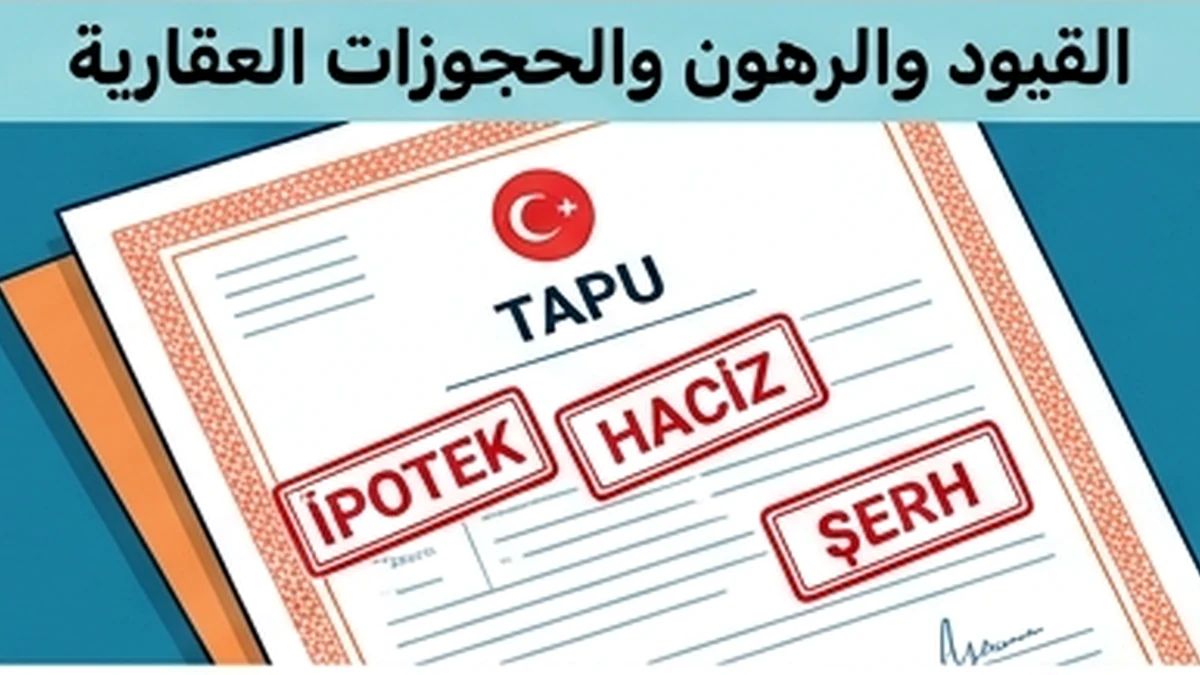
Change Impact Assessment — Mortgage and Lien Status
A mortgage file can look acceptable at the start of a purchase and become materially different before closing. The change may be obvious, such as a new mortgage, a partial release or a bank’s electronic deletion request, or it may be less visible, such as a change in creditor, secured amount, rank, affected unit or the document relied on to prove release. A useful change-impact assessment does not ask only whether “there is a mortgage.” It asks what changed, when it changed, which registered right is affected, and what that change does to the buyer’s money, financing and ability to receive the intended title.
Establish the pre-change baseline
Before measuring impact, freeze a dated baseline from the land-registry evidence actually used for the transaction. Identify the property by province, district, block, parcel and independent-unit information where applicable. Record the registered mortgage or other security right, creditor, debtor or owner context, rank and any available registration or journal reference. Keep the extract or official evidence in the deal file. Verbal explanations, a bank balance letter and the land register serve different purposes and should not be treated as interchangeable.
Classify the change
Separate changes into legal, financial and procedural categories. Legal changes include a newly registered mortgage, amendment of a registered right, a transfer or assignment that affects the creditor position, a partial release, or a completed deletion. Financial changes include a different payoff amount or a new allocation of sale proceeds. Procedural changes include a bank’s release instruction that has been sent but is not yet reflected as a deletion in the register. The most important distinction is between evidence that a debt was paid and evidence that the registered mortgage was actually removed. TKGM explains that, after the debt is paid, the bank sends the mortgage-release document electronically and the land-registry office performs the deletion. Therefore, payment alone is not the same event as registry deletion.
Trace the impact on the transaction
For each change, test five consequences. First, can title be transferred in the condition promised by the contract? Second, must the price or the distribution of proceeds be changed? Third, will the buyer’s lender accept the revised encumbrance position and rank? Fourth, does the change create a timing dependency before the title appointment? Fifth, does it alter the buyer’s resale or refinancing position after acquisition? A new mortgage registered after the initial review can require a complete re-evaluation even if every other property document remains unchanged.
Do not close the file on a promise to release
The controlling evidence is the current register and the legally effective deletion process. Under the Tapu Sicili Tüzüğü, deletions are made on the basis of the entitled person’s request or a competent authority or court decision, subject to the applicable rules. TKGM’s e-mortgage deletion process allows integrated banks and institutions to transmit requests through TAKBİS, but a transaction file should distinguish the transmission step from the final registered result. If the contract requires delivery free of a mortgage, the payment-release mechanism should be written so that money is not irreversibly released merely because somebody says the release is “in process.”
Use a written before-and-after matrix
For a material change, prepare a short matrix containing the previous fact, the new fact, the source of each fact, the date, the affected contractual clause, the financial consequence and the action required. Examples include “mortgage present → release completed,” “creditor A → creditor B,” “whole property affected → one independent unit released,” or “expected release date missed → closing postponed.” This prevents a late document from being filed without anyone asking whether it changes the deal.
Closing control
Recheck the mortgage and other title restrictions shortly before the irreversible payment and again at the title-transfer stage when the transaction structure requires a clean or specifically ranked title. Keep the final evidence, the bank or creditor release document, the registry result and the payment trail together. If a discrepancy remains, convert it into an explicit closing condition rather than an informal assumption. A sound change-impact assessment ends with a reproducible conclusion: what changed, what it affected, what evidence cured the issue, and what condition—if any—still remains.