
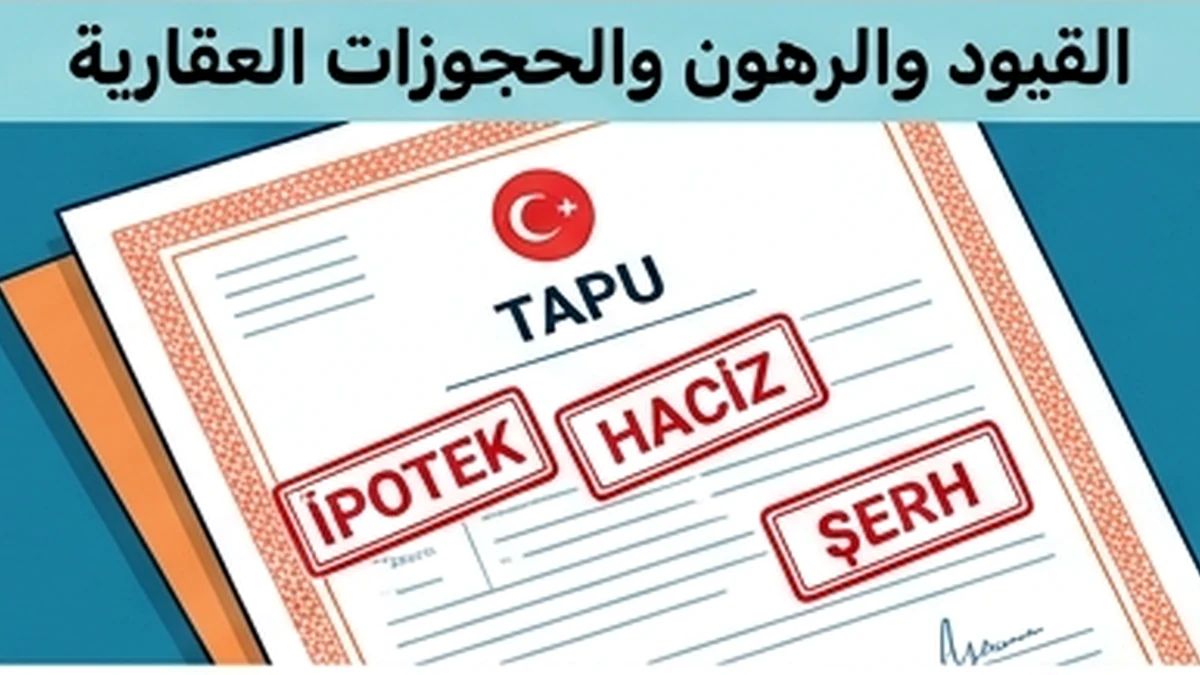
Audit Trail Reconstruction — Mortgage and Lien Status
Reconstructing a mortgage audit trail is different from checking whether a mortgage appears on today’s title record. The purpose is to explain how the current position was reached and to make every material transition traceable. This matters when a buyer receives inconsistent extracts, an old valuation mentions a mortgage that is no longer visible, a bank says a debt has been paid, or the parties rely on a release that was requested but not yet registered. A defensible file links each event to a dated source and avoids filling gaps with assumptions.
Start with the registered origin
Identify the earliest reliable evidence of the mortgage or other security right relevant to the transaction. Record the exact property identity, creditor, owner or debtor context, rank, scope, registration date and journal number when available. If the mortgage covers more than one parcel or independent unit, note the coverage expressly. The objective is not to reconstruct every historical fact in the building; it is to reconstruct the chain that explains the encumbrance affecting the asset being purchased.
Build a chronological event ledger
Create one line for each material event: establishment, amendment, assignment or creditor change, partial release, payoff calculation, payment of the secured debt, bank release instruction, submission to the land registry, registry deletion and any later re-registration. For each line keep the event date, source date, issuing party, property identifiers, document number, amount where relevant and the reviewer’s conclusion. A bank payment and a registry deletion should never be collapsed into a single event because they prove different stages.
Reconcile documents that describe different realities
Old appraisals, purchase contracts, bank letters and registry records often capture different dates. A mortgage shown in a valuation report may have been valid when the report was prepared but deleted later; a bank letter may prove the debt is closed while the title record still shows the mortgage pending formal deletion. TKGM’s official FAQ states that after the debt is paid the bank sends the mortgage-release document electronically to the land-registry office, which then performs the deletion. The audit trail should therefore show both the financial close-out and the registration close-out, with no implied shortcut between them.
Use registry mechanics as control points
The Tapu Sicili Tüzüğü provides the framework for deletions and the formal recording of a terkin. TKGM also operates electronic mortgage-deletion processes for participating institutions. These official mechanics are useful checkpoints: when a party says a mortgage “was removed,” ask for evidence that corresponds to the registry stage, not merely the private agreement or payment stage. If an e-release request exists, record when it was sent and then separately record the date on which the registry reflected the deletion.
Investigate gaps rather than smoothing them over
Common gaps include a missing amendment, a creditor name that changes without supporting evidence, a payoff amount that does not correspond to the bank instruction, a partial release that appears to concern another unit, or a deletion date that precedes the document said to have caused it. Mark each gap as unresolved until the controlling source is obtained. If the gap affects whether the buyer receives clean title, it should remain a closing condition. Do not replace a missing fact with a sentence such as “the bank confirmed everything is fine.”
Connect the audit trail to money
Where sale proceeds are used to discharge a mortgage, trace the payment route and the condition for releasing the balance to the seller. Identify what amount was expected, what amount was actually paid, who received it and what registry outcome followed. This is particularly important if the payoff amount changes shortly before closing. The audit trail should enable a reviewer to verify that the economic event and the title event match.
Final reconstruction package
The finished file should contain a dated chronology, copies or references to the controlling documents, the latest title evidence, the bank or creditor release evidence, payment records relevant to discharge, and a note explaining every discrepancy that was resolved. Preserve prior versions instead of overwriting them. A later buyer, lender or internal reviewer should be able to answer three questions without contacting the original case handler: when did the mortgage arise, what happened to it, and what official evidence proves its present status.