
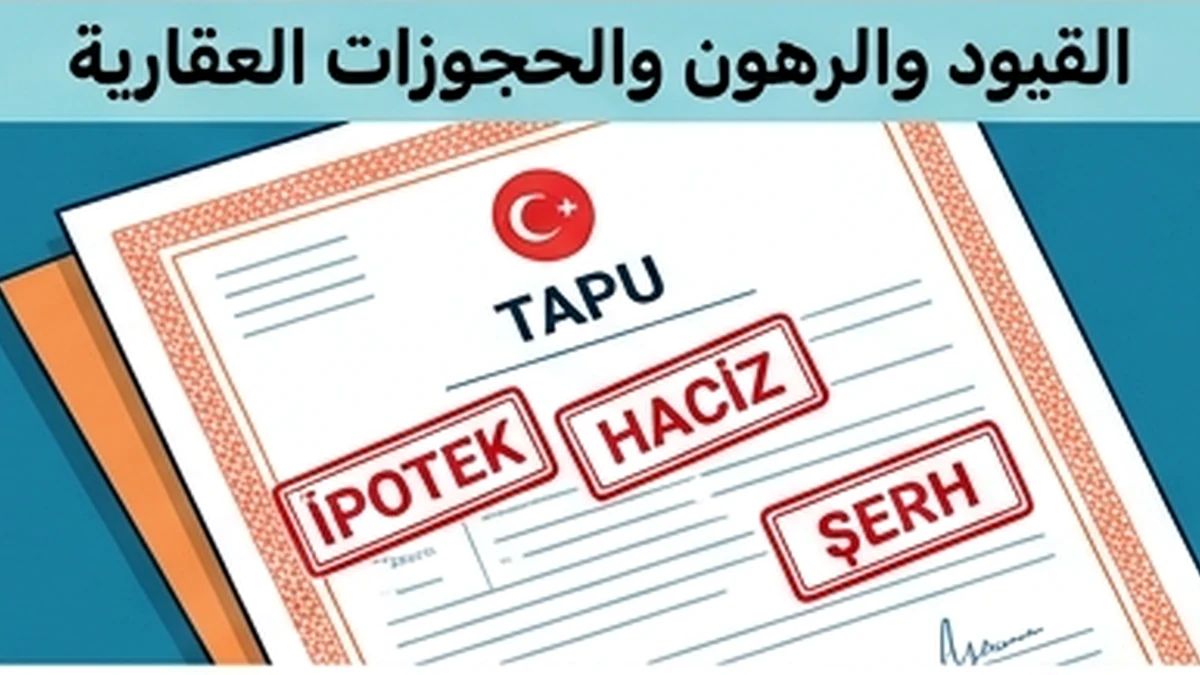
Deadline Readiness Review — Seizure and Attachment Status
A transaction is not ready for a critical deadline merely because an attachment was discussed early in negotiations. Attachments can be added, renewed, released or remain legally effective while the parties are preparing a deposit, a bank drawdown or title transfer. The purpose of a deadline-readiness review is to convert the enforcement position into a set of dated, testable closing conditions. The review asks what restrictions exist now, which of them must disappear before the next commitment, which can legally remain under the agreed deal, and what evidence will prove the result.
Map the current enforcement position
Start with a fresh official land-registry record linked to the exact property and independent unit. Record each attachment separately, including the issuing authority or enforcement context, registration date, available journal or file reference and any other information shown by the registry. Do not merge several entries into one generic note. A buyer must know whether there is one attachment or several, whether they arise from the same file and whether a claimed release relates to the exact entry that burdens the property.
Define the decision deadline
Different deadlines require different levels of certainty. Before a refundable reservation, an unresolved attachment may be acceptable if it is fully disclosed and there is time to investigate. Before a non-refundable payment, the buyer should have a written release plan and understand the consequence if the plan fails. Before bank funding or title transfer, the required registry condition should be verified, not assumed. Write the pass condition in advance, for example: “the specified attachment is no longer shown on the current registry record” or “the buyer has expressly accepted a surviving restriction after legal review.”
Do not use age as a shortcut
Article 69 of the Land Registry Regulation contains a mechanism for deleting certain attachments when renewal has not been notified after two years, but the same provision contains important exclusions, including public-receivable attachments under Law No. 6183 and specified bankruptcy, concordat and enforcement situations. The practical lesson is that an old attachment is not automatically harmless. The file must identify the type of entry, whether renewal or continuation applies, whether an owner application is required and what the competent registry actually shows.
Coordinate release with money movement
If sale proceeds are intended to satisfy a creditor, the payment sequence should be documented. Identify the amount, recipient, evidence expected from the enforcement authority or creditor, and the point at which the registry will be rechecked. Avoid a structure in which the buyer pays the seller in full and only afterwards waits for the seller to solve an attachment. Where professional escrow, bank coordination or simultaneous registry steps are used, document the exact responsibilities and failure scenario.
Refresh the evidence after every material event
A new enforcement notice, an application for release, a partial payment, a postponed closing date or a change of creditor can make the earlier review stale. Obtain a new registry check when the event is material and again close to the irreversible step. Keep both the old and new versions so the change is visible. The objective is not merely to show that somebody started a release process; it is to show what legal state exists at the decision time.
Readiness decision
Classify each entry as accepted, released, scheduled for verified release, or unresolved. An unresolved material attachment blocks the related deadline. A promise, lawyer email or payment receipt may support the file but should not replace the current registry result when the issue is whether the registered restriction still burdens the property. The review is complete only when another reviewer can see the restriction, the condition, the evidence and the final outcome without reconstructing the transaction from informal messages.
Official sources
- TKGM — Tapu Sicili Tüzüğü, including article 69.
- TKGM — E-Haciz information.
- TKGM — land-registry FAQs and transaction guidance.