
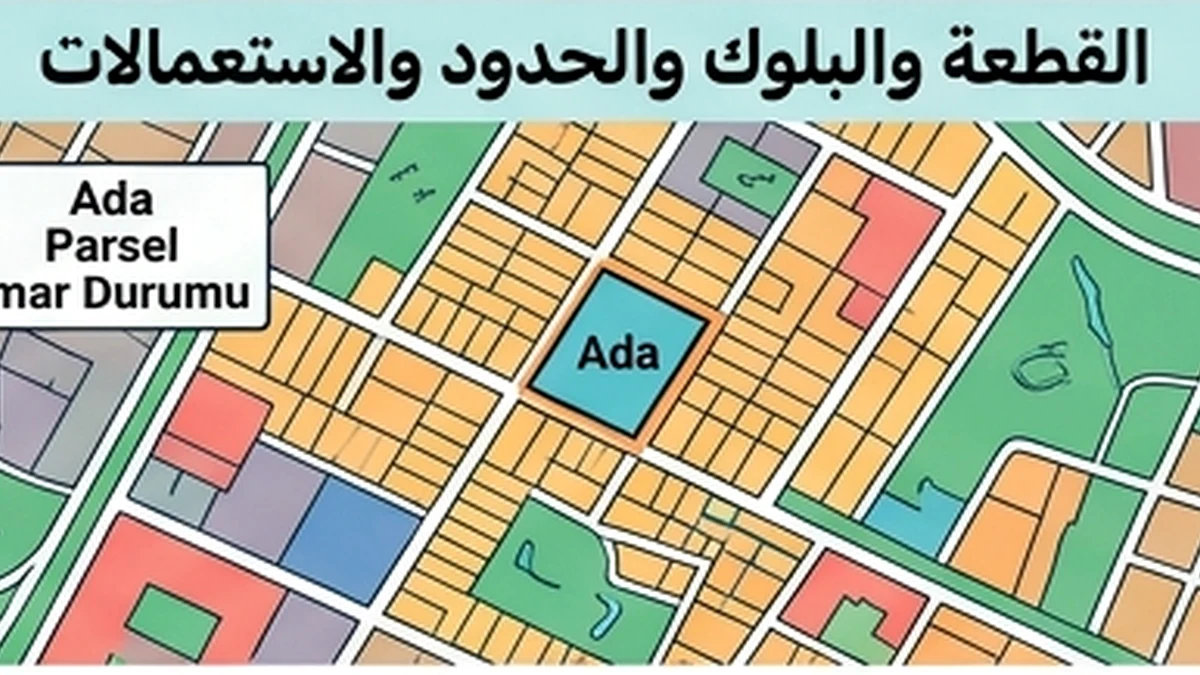
Counterparty Confirmation — Cadastral boundary
A practical Counterparty Confirmation workflow for Cadastral boundary, focused on evidence, timing, record reconciliation, exception closure and an auditable decision.
Verified facts relevant to this topic
Purpose of this guide
Counterparty Confirmation — Cadastral boundary applies an operational verification workflow to Cadastral boundary. The specific objective is to match counterparty statements to the register, contract and a verified communication channel before accepting any material change. A fact should not be treated as operationally reliable merely because it exists; it must be tied to the correct property, party and date and supported by evidence that another reviewer can audit later.
When to use this review
- Before signing a contract or amendment that changes rights or obligations.
- Before sending money or changing a beneficiary or account.
- When a new version of a previously relied-on document arrives.
- When there is a change of account, representative, instruction or document.
- When the database and a primary document or official source disagree.
- Before final closing when the information can change over time.
Evidence file
- Retain the source or document actually used for the decision.
- Record retrieval/receipt date and reviewer identity.
- Link the version to the correct property, unit and counterparty.
- Preserve prior versions when a document changes.
- Record any difference between the database and primary evidence.
- Do not fill missing fields with undocumented estimates.
Consistency tests
- Does every item refer to the same property and unit?
- Are party identities and legal capacities consistent?
- Is the date suitable for the moment on which the decision relies?
- Are amounts, rights and restrictions consistent across records?
- Does a material fact appear in only one source without explanation?
- Has anything changed since the last review that could alter the decision?
Verified facts from official sources
Cadastral boundary verification
Reconcile counterparty confirmation with the official record; do not substitute oral assurance for verifiable evidence.
Practical FAQ built from the record’s verified facts
What official fact about cadastral boundary should a buyer verify when a mismatch or exception appears?
Do not rely only on fences, current occupation or an online map. Tie the boundary to the correct ada/parsel and cadastral record, and obtain an official aplikasyon or survey when there is doubt or conflict. Reconcile counterparty confirmation with the official record; do not substitute oral assurance for verifiable evidence.
Which document fields or legal details on cadastral boundary matter most when a mismatch or exception appears?
Reconcile counterparty confirmation with the official record; do not substitute oral assurance for verifiable evidence. Do not rely only on fences, current occupation or an online map. Tie the boundary to the correct ada/parsel and cadastral record, and obtain an official aplikasyon or survey when there is doubt or conflict. TKGM guidance explains that aplikasyon re-establishes parcel corners and boundaries on the ground from cadastral data, while public map-query information is not by itself a final transaction document.
What can go wrong with cadastral boundary when a mismatch or exception appears, and what evidence resolves it?
TKGM guidance explains that aplikasyon re-establishes parcel corners and boundaries on the ground from cadastral data, while public map-query information is not by itself a final transaction document. Reconcile counterparty confirmation with the official record; do not substitute oral assurance for verifiable evidence.
Sources for this section were reviewed on 16 August 2026.
Counterparty confirmation of boundaries
Ask the seller to identify the understood boundary and any neighbor occupation or dispute, then compare it with cadastral evidence; the statement may reveal physical issues but does not alter the registered line.