Skip to content
+90 505 506 38 10 WhatsApp
← Back to the Academy
Real estate guide

Inheritance, Family Status and Co-owner Rights Guide

Review ownership shares, inheritance documents, signing authority, restrictions and payment allocation before buying or selling jointly held property.

68 knowledge topics
Inheritance, Family Status and Co-owner Rights Guide

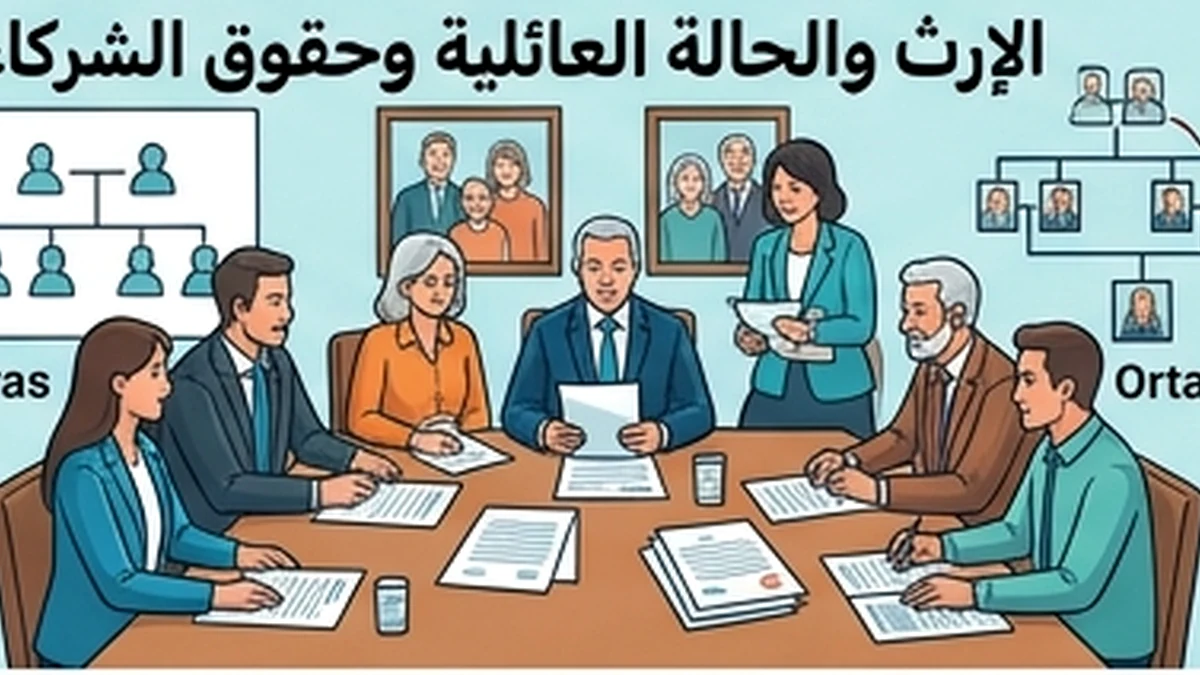
Identify everyone who must participate

Before buying inherited or jointly owned property, obtain up-to-date ownership information and the documentary basis for each person's share and signing authority. Separate legal title from an informal family agreement or an expectation of inheritance.

Review succession and co-ownership documents

Ask an independent local lawyer to determine which succession documents, registrations, powers of attorney and consents are relevant to the particular parties, property and transaction. Check whether a family-home notation, restriction, pending dispute or court decision affects disposal; do not assume every owner can sell the entire property alone.

Map decisions and payments

Create a signatory matrix listing each right holder, share, capacity, required evidence and permitted payment recipient. Reflect agreed distribution and any conditions in appropriately executed transaction documents. Verify authority and title status again close to completion.

Account for time and risk

Allow for missing heirs, disputed shares, document translations and registrations. Price the risk of delay and define a contractual outcome if all necessary approvals are not obtained. Do not pay on the basis of an unverified promise that a missing signature will be supplied later.

Evidence checklist

Current title record; documented interests; succession and authority records; any required consents; restriction/dispute search; payment allocation; dated legal review.

The controlling requirements depend on the circumstances and current law; consult official legislation and qualified local counsel.

JUANA Real Estate Editorial Team

Last reviewed: 2026-08-27

Content is reviewed against official and primary sources and updated when rules or information change.

Official review sources

Topics in this guide

Marital Status and Spouse Documentation in Property Purchase

Marital Status and Spouse Documentation in Property Purchase

Marital status is not merely an administrative field when family-residence protection or authority to dispose of the property is relevant. Ordinary identity documents should be separated from records that become necessary because of a family-residence issue. TKGM lists identity and representation documents among normal sale requirements and, in its family-residence annotation guidance, refers to residence and.

Read topic →
Family Residence Annotation on Property Guide

Family Residence Annotation on Property Guide

Family Residence Annotation on Property Guide explains how to build a clear, evidence-based answer to the topic itself, how to match evidence to the same asset and decision date, and how to convert a discrepancy into a written condition rather than a vague assurance.

Read topic →
Family residence annotation Verification Guide

Family residence annotation Verification Guide

The Turkish family-residence annotation is neither a monetary lien nor a mere address note. Civil Code Article 194 restricts certain dispositions of the family home without the other spouse’s explicit consent and allows the non-owner spouse to request the annotation. Due diligence must combine the current land-register record, property and residence identity, civil-status evidence and the legal effect rather than relying only on whether an old title copy shows the annotation.

Read topic →
Family residence annotation Workflow Guide

Family residence annotation Workflow Guide

A decision-focused guide to Family residence annotation Workflow Guide: turn the topic into a sequenced due-diligence process with a clear owner, evidence step and completion point, preserve the controlling evidence, recheck material changes.

Read topic →
Family residence annotation Risk Review

Family residence annotation Risk Review

Family residence annotation Risk Review: a practical guide to identify the material ways the topic can fail, then connect each risk to evidence and a transaction consequence, with emphasis on current evidence, property and party identity, document version, unresolved conflicts and the transaction consequence before commitment.

Read topic →
Family residence annotation Decision Framework

Family residence annotation Decision Framework

Use Family residence annotation Decision Framework to convert the evidence into a transparent proceed, proceed-with-condition, reprice, escalate or stop decision. The guide separates verified facts from assumptions, records the competent source and date, and keeps any unresolved legal, technical, tax, payment or cost issue visible.

Read topic →
Buyer Questions for Family residence annotation

Buyer Questions for Family residence annotation

Buyer Questions for Family residence annotation explains how to equip the buyer with specific questions whose answers can be checked against documents rather than sales assurances, how to match evidence to the same asset and decision date, and how to convert a discrepancy into a written condition rather than a vague assurance.

Read topic →
Closing-Day Check for Family residence annotation

Closing-Day Check for Family residence annotation

A decision-focused guide to Closing-Day Check for Family residence annotation: recheck the facts that can change at closing and make payment or signature conditional on the latest evidence, preserve the controlling evidence, recheck material changes.

Read topic →
Family residence annotation Recordkeeping Guide

Family residence annotation Recordkeeping Guide

Family residence annotation Recordkeeping Guide: a practical guide to preserve source, date, version, property identifiers and the final conclusion so another reviewer can reproduce the file, with emphasis on current evidence, property and party identity, document version, unresolved conflicts and the transaction consequence before commitment.

Read topic →
Family residence annotation Red Flags Guide

Family residence annotation Red Flags Guide

Family residence annotation Red Flags Guide explains how to separate genuine warning signs from harmless irregularities and define which warning requires escalation before commitment, how to match evidence to the same asset and decision date, and how to convert a discrepancy into a written condition rather than a vague assurance.

Read topic →
Co-owner consent Workflow Guide

Co-owner consent Workflow Guide

Use Co-owner consent Workflow Guide to turn the topic into a sequenced due-diligence process with a clear owner, evidence step and completion point. The guide separates verified facts from assumptions, records the competent source and date, and keeps any unresolved legal, technical, tax, payment or cost issue visible.

Read topic →
Buyer Questions for Co-owner consent

Buyer Questions for Co-owner consent

Buyer Questions for Co-owner consent: a practical guide to equip the buyer with specific questions whose answers can be checked against documents rather than sales assurances, with emphasis on current evidence, property and party identity, document version, unresolved conflicts and the transaction consequence before commitment.

Read topic →
Closing-Day Check for Co-owner consent

Closing-Day Check for Co-owner consent

Use Closing-Day Check for Co-owner consent to recheck the facts that can change at closing and make payment or signature conditional on the latest evidence. The guide separates verified facts from assumptions, records the competent source and date, and keeps any unresolved legal, technical, tax, payment or cost issue visible.

Read topic →
Co-owner consent Recordkeeping Guide

Co-owner consent Recordkeeping Guide

Co-owner consent Recordkeeping Guide explains how to preserve source, date, version, property identifiers and the final conclusion so another reviewer can reproduce the file, how to match evidence to the same asset and decision date, and how to convert a discrepancy into a written condition rather than a vague assurance.

Read topic →
Co-owner consent Red Flags Guide

Co-owner consent Red Flags Guide

For “Co-owner consent Red Flags Guide”, authenticity is established through the issuing authority and chain of acquisition, not by the appearance of a PDF or an institutional logo. If bank-account or payment instructions change by email or message, the change should be confirmed through an independent, previously verified channel before funds move; a genuine contract does not make later payment instructions automatically genuine.

Read topic →
Inheritance ownership records Verification Guide

Inheritance ownership records Verification Guide

A decision-focused guide to Inheritance ownership records Verification Guide: verify the claimed fact from the strongest available primary evidence before relying on it, preserve the controlling evidence, recheck material changes.

Read topic →
Inheritance ownership records Workflow Guide

Inheritance ownership records Workflow Guide

Use Inheritance ownership records Workflow Guide to turn the topic into a sequenced due-diligence process with a clear owner, evidence step and completion point. The guide separates verified facts from assumptions, records the competent source and date, and keeps any unresolved legal, technical, tax, payment or cost issue visible.

Read topic →
Inheritance ownership records Risk Review

Inheritance ownership records Risk Review

Inheritance ownership records Risk Review explains how to identify the material ways the topic can fail, then connect each risk to evidence and a transaction consequence, how to match evidence to the same asset and decision date, and how to convert a discrepancy into a written condition rather than a vague assurance.

Read topic →
Inheritance ownership records Decision Framework

Inheritance ownership records Decision Framework

A decision-focused guide to Inheritance ownership records Decision Framework: convert the evidence into a transparent proceed, proceed-with-condition, reprice, escalate or stop decision, preserve the controlling evidence, recheck material changes.

Read topic →
Buyer Questions for Inheritance ownership records

Buyer Questions for Inheritance ownership records

Buyer Questions for Inheritance ownership records: a practical guide to equip the buyer with specific questions whose answers can be checked against documents rather than sales assurances, with emphasis on current evidence, property and party identity, document version, unresolved conflicts and the transaction consequence before commitment.

Read topic →
Closing-Day Check for Inheritance ownership records

Closing-Day Check for Inheritance ownership records

Use Closing-Day Check for Inheritance ownership records to recheck the facts that can change at closing and make payment or signature conditional on the latest evidence. The guide separates verified facts from assumptions, records the competent source and date, and keeps any unresolved legal, technical, tax, payment or cost issue visible.

Read topic →
Inheritance Ownership Records: Recordkeeping Guide

Inheritance Ownership Records: Recordkeeping Guide

Inheritance ownership records Recordkeeping Guide explains how to preserve source, date, version, property identifiers and the final conclusion so another reviewer can reproduce the file, how to match evidence to the same asset and decision date, and how to convert a discrepancy into a written condition rather than a vague assurance.

Read topic →
Inheritance ownership records Red Flags Guide

Inheritance ownership records Red Flags Guide

Inheritance ownership records Red Flags Guide: a practical guide to separate genuine warning signs from harmless irregularities and define which warning requires escalation before commitment, with emphasis on current evidence, property and party identity, document version, unresolved conflicts and the transaction consequence before commitment.

Read topic →
Official Source Revalidation — Family residence annotation

Official Source Revalidation — Family residence annotation

Use Official Source Revalidation — Family residence annotation to return to the competent official source and verify that the prior conclusion still matches the current rule or record. The guide separates verified facts from assumptions, records the competent source and date, and keeps any unresolved legal, technical, tax, payment or cost issue visible.

Read topic →
Validity and Deadline Control — Family residence annotation

Validity and Deadline Control — Family residence annotation

Validity and Deadline Control — Family residence annotation explains how to track issue dates, expiry dates, renewal rules and cut-off dates so an otherwise correct document does not become unusable at the critical moment, how to match evidence to the same asset and decision date, and how to convert a discrepancy into a written condition rather than a vague assurance.

Read topic →
Change Control — Family residence annotation

Change Control — Family residence annotation

Change Control — Family residence annotation explains how to keep material changes visible, versioned and reapproved before relying on an earlier conclusion, how to match evidence to the same asset and decision date, and how to convert a discrepancy into a written condition rather than a vague assurance.

Read topic →
Official Source Revalidation — Co-owner consent

Official Source Revalidation — Co-owner consent

A decision-focused guide to Official Source Revalidation — Co-owner consent: return to the competent official source and verify that the prior conclusion still matches the current rule or record, preserve the controlling evidence, recheck material changes.

Read topic →
Validity and Deadline Control — Co-owner consent

Validity and Deadline Control — Co-owner consent

Validity and Deadline Control — Co-owner consent: a practical guide to track issue dates, expiry dates, renewal rules and cut-off dates so an otherwise correct document does not become unusable at the critical moment, with emphasis on current evidence, property and party identity, document version, unresolved conflicts and the transaction consequence before commitment.

Read topic →
Counterparty Confirmation — Co-owner consent

Counterparty Confirmation — Co-owner consent

Use Counterparty Confirmation — Co-owner consent to obtain independent confirmation of material facts from the responsible party or issuer instead of relying on a forwarded copy alone. The guide separates verified facts from assumptions, records the competent source and date, and keeps any unresolved legal, technical, tax, payment or cost issue visible.

Read topic →
Exception Register — Co-owner consent

Exception Register — Co-owner consent

Exception Register — Co-owner consent explains how to record every unresolved exception with its owner, impact, deadline, evidence needed and closure status, how to match evidence to the same asset and decision date, and how to convert a discrepancy into a written condition rather than a vague assurance.

Read topic →
Payment Release Gate — Co-owner consent

Payment Release Gate — Co-owner consent

A decision-focused guide to Payment Release Gate — Co-owner consent: define the evidence that must exist before a specific payment is released and block payment when a required condition remains unresolved, preserve the controlling evidence, recheck material changes.

Read topic →
Change Control — Co-owner consent

Change Control — Co-owner consent

Change Control — Co-owner consent: a practical guide to keep material changes visible, versioned and reapproved before relying on an earlier conclusion, with emphasis on current evidence, property and party identity, document version, unresolved conflicts and the transaction consequence before commitment.

Read topic →
Resale File Preservation — Co-owner consent

Resale File Preservation — Co-owner consent

A decision-focused guide to Resale File Preservation — Co-owner consent: preserve the evidence a future buyer, lender or adviser will need to understand the asset without rebuilding the file from zero, preserve the controlling evidence, recheck material changes.

Read topic →
Official Source Revalidation — Inheritance ownership records

Official Source Revalidation — Inheritance ownership records

A decision-focused guide to Official Source Revalidation — Inheritance ownership records: return to the competent official source and verify that the prior conclusion still matches the current rule or record, preserve the controlling evidence, recheck material changes.

Read topic →
Validity and Deadline Control — Inheritance ownership records

Validity and Deadline Control — Inheritance ownership records

Validity and Deadline Control — Inheritance ownership records: a practical guide to track issue dates, expiry dates, renewal rules and cut-off dates so an otherwise correct document does not become unusable at the critical moment, with emphasis on current evidence, property and party identity, document version, unresolved conflicts and the transaction consequence before commitment.

Read topic →
Counterparty Confirmation — Inheritance ownership records

Counterparty Confirmation — Inheritance ownership records

Use Counterparty Confirmation — Inheritance ownership records to obtain independent confirmation of material facts from the responsible party or issuer instead of relying on a forwarded copy alone. The guide separates verified facts from assumptions, records the competent source and date, and keeps any unresolved legal, technical, tax, payment or cost issue visible.

Read topic →
Exception Register — Inheritance ownership records

Exception Register — Inheritance ownership records

Exception Register — Inheritance ownership records explains how to record every unresolved exception with its owner, impact, deadline, evidence needed and closure status, how to match evidence to the same asset and decision date, and how to convert a discrepancy into a written condition rather than a vague assurance.

Read topic →
Payment Release Gate — Inheritance ownership records

Payment Release Gate — Inheritance ownership records

A decision-focused guide to Payment Release Gate — Inheritance ownership records: define the evidence that must exist before a specific payment is released and block payment when a required condition remains unresolved, preserve the controlling evidence, recheck material changes.

Read topic →
Change Control — Inheritance ownership records

Change Control — Inheritance ownership records

Change Control — Inheritance ownership records: a practical guide to keep material changes visible, versioned and reapproved before relying on an earlier conclusion, with emphasis on current evidence, property and party identity, document version, unresolved conflicts and the transaction consequence before commitment.

Read topic →
Resale File Preservation — Inheritance ownership records

Resale File Preservation — Inheritance ownership records

A decision-focused guide to Resale File Preservation — Inheritance ownership records: preserve the evidence a future buyer, lender or adviser will need to understand the asset without rebuilding the file from zero, preserve the controlling evidence, recheck material changes.

Read topic →
Independent Evidence Replication — Family residence annotation

Independent Evidence Replication — Family residence annotation

Independent Evidence Replication — Family residence annotation — Do not rely only on an image supplied by the seller. Re-check the entry or right through the available official channel and compare number, date, scope and authorized party. Independent sourcing reduces the risk of stale or selectively presented evidence.

Read topic →
Pre-Commitment Freeze — Family residence annotation

Pre-Commitment Freeze — Family residence annotation

Pre-Commitment Freeze — Family residence annotation — Before final signature or a non-refundable payment, freeze the list of accepted documents, restrictions and rights as of that date. Any later change should reopen review rather than pass silently.

Read topic →
Document Version Reconciliation — Family residence annotation

Document Version Reconciliation — Family residence annotation

Document Version Reconciliation — Family residence annotation — Where multiple versions exist, do not assume the newest-looking copy is controlling merely because of its date. Reconcile transaction number, issuing authority, property identifiers and linked registry entry, then identify the version governing the deal file.

Read topic →
Cost Consequence Trace — Family residence annotation

Cost Consequence Trace — Family residence annotation

Cost Consequence Trace — Family residence annotation — Translate each restriction or right into measurable financial consequences: release/correction cost, financing delay, reduced use, dispute exposure or lower resaleability. The existence of an entry alone does not show its economic size.

Read topic →
Resale and Exit Review — Family residence annotation

Resale and Exit Review — Family residence annotation

Resale and Exit Review — Family residence annotation: a practical guide to test how the present legal, technical and financial evidence will affect a later sale, refinancing or buyer due diligence, with emphasis on current evidence, property and party identity, document version, unresolved conflicts and the transaction consequence before commitment.

Read topic →
Cross-Party Consistency Check — Family residence annotation

Cross-Party Consistency Check — Family residence annotation

Use Cross-Party Consistency Check — Family residence annotation to compare the same names, property identifiers, amounts, dates and obligations across every relevant party and document. The guide separates verified facts from assumptions, records the competent source and date, and keeps any unresolved legal, technical, tax, payment or cost issue visible.

Read topic →
Closing-Day Recheck — Family residence annotation

Closing-Day Recheck — Family residence annotation

Closing-Day Recheck — Family residence annotation explains how to repeat the critical checks immediately before completion so stale evidence is not mistaken for current status, how to match evidence to the same asset and decision date, and how to convert a discrepancy into a written condition rather than a vague assurance.

Read topic →
Independent Evidence Replication — Co-owner consent

Independent Evidence Replication — Co-owner consent

A decision-focused guide to Independent Evidence Replication — Co-owner consent: organize the file so an independent reviewer can reproduce the same conclusion without relying on the original adviser’s assertion, preserve the controlling evidence, recheck material changes.

Read topic →
Pre-Commitment Freeze — Co-owner consent

Pre-Commitment Freeze — Co-owner consent

Pre-Commitment Freeze — Co-owner consent: a practical guide to freeze the material transaction facts and document versions before a deposit, reservation, signature or other commitment becomes difficult to reverse, with emphasis on current evidence, property and party identity, document version, unresolved conflicts and the transaction consequence before commitment.

Read topic →
Document Version Reconciliation — Co-owner consent

Document Version Reconciliation — Co-owner consent

Document Version Reconciliation — Co-owner consent explains how to identify the controlling version and reconcile every material change between drafts, scans, translations and signed documents, how to match evidence to the same asset and decision date, and how to convert a discrepancy into a written condition rather than a vague assurance.

Read topic →
Cost Consequence Trace — Co-owner consent

Cost Consequence Trace — Co-owner consent

Use Cost Consequence Trace — Co-owner consent to trace each issue to a documented cost, responsible payer, timing and effect on price, cash flow or closing funds. The guide separates verified facts from assumptions, records the competent source and date, and keeps any unresolved legal, technical, tax, payment or cost issue visible.

Read topic →
Resale and Exit Review — Co-owner consent

Resale and Exit Review — Co-owner consent

Resale and Exit Review — Co-owner consent explains how to test how the present legal, technical and financial evidence will affect a later sale, refinancing or buyer due diligence, how to match evidence to the same asset and decision date, and how to convert a discrepancy into a written condition rather than a vague assurance.

Read topic →
Cross-Party Consistency Check — Co-owner consent

Cross-Party Consistency Check — Co-owner consent

Cross-Party Consistency Check — Co-owner consent — Start by reconciling “A defensible review ties parcel/block, independent-unit number, ownership share and encumbrances to the exact property before any material payment.” with “TKGM and Web Tapu are primary references for matching the property, owner and transaction record; due diligence should start from…

Read topic →
Closing-Day Recheck — Co-owner consent

Closing-Day Recheck — Co-owner consent

TKGM and Web Tapu are primary references for matching the property, owner and transaction record; due diligence should start from the official registry rather than the advertisement. On the completion date, rely on the latest official position for facts that can change and resolve any material mismatch before signature or release of funds.

Read topic →
Independent Evidence Replication — Inheritance ownership records

Independent Evidence Replication — Inheritance ownership records

A decision-focused guide to Independent Evidence Replication — Inheritance ownership records: organize the file so an independent reviewer can reproduce the same conclusion without relying on the original adviser’s assertion, preserve the controlling evidence, recheck material changes.

Read topic →
Pre-Commitment Freeze — Inheritance ownership records

Pre-Commitment Freeze — Inheritance ownership records

Pre-Commitment Freeze — Inheritance ownership records: a practical guide to freeze the material transaction facts and document versions before a deposit, reservation, signature or other commitment becomes difficult to reverse, with emphasis on current evidence, property and party identity, document version, unresolved conflicts and the transaction consequence before commitment.

Read topic →
Document Version Reconciliation — Inheritance ownership records

Document Version Reconciliation — Inheritance ownership records

Document Version Reconciliation — Inheritance ownership records explains how to identify the controlling version and reconcile every material change between drafts, scans, translations and signed documents, how to match evidence to the same asset and decision date, and how to convert a discrepancy into a written condition rather than a vague assurance.

Read topic →
Cost Consequence Trace — Inheritance ownership records

Cost Consequence Trace — Inheritance ownership records

Use Cost Consequence Trace — Inheritance ownership records to trace each issue to a documented cost, responsible payer, timing and effect on price, cash flow or closing funds. The guide separates verified facts from assumptions, records the competent source and date, and keeps any unresolved legal, technical, tax, payment or cost issue visible.

Read topic →
Resale and Exit Review — Inheritance ownership records

Resale and Exit Review — Inheritance ownership records

Resale and Exit Review — Inheritance ownership records explains how to test how the present legal, technical and financial evidence will affect a later sale, refinancing or buyer due diligence, how to match evidence to the same asset and decision date, and how to convert a discrepancy into a written condition rather than a vague assurance.

Read topic →
Cross-Party Consistency Check — Inheritance ownership records

Cross-Party Consistency Check — Inheritance ownership records

A decision-focused guide to Cross-Party Consistency Check — Inheritance ownership records: compare the same names, property identifiers, amounts, dates and obligations across every relevant party and document, preserve the controlling evidence, recheck material changes.

Read topic →
Closing-Day Recheck — Inheritance ownership records

Closing-Day Recheck — Inheritance ownership records

Check the tax formalities that actually apply to the inheritance and transfer using GİB guidance and the transaction documents. Do not infer tax clearance merely from the inheritance certificate or from registration of heirs.

Read topic →
Source Freshness Review — Family residence annotation

Source Freshness Review — Family residence annotation

A source-freshness review for family-residence annotation: verify marital status, residence evidence, property match and current registry, without assuming an old extract or absence of annotation resolves article 194 risk.

Read topic →
Deadline Readiness Review — Family residence annotation

Deadline Readiness Review — Family residence annotation

A deadline-readiness review for family residence: determine article 194 relevance, refresh registry and facts, and obtain any required spouse consent or legal step before payment or transfer.

Read topic →
Change Impact Assessment — Family residence annotation

Change Impact Assessment — Family residence annotation

Assess how changes in family-residence facts or annotation affect sale validity, consent, contract, financing and closing by comparing marital facts and registry before and after the change.

Read topic →
Source Freshness Review — Co-owner consent

Source Freshness Review — Co-owner consent

Source Freshness Review — Co-owner consent: In paylı mülkiyet each co-owner holds a defined share in the whole property, and this does not mean every disposal of that share requires unanimous consent; the nature of the act and the applicable rule determine consent requirements. The record focuses on Source Freshness Review within Co-owner consent.

Read topic →
Deadline Readiness Review — Co-owner consent

Deadline Readiness Review — Co-owner consent

Deadline Readiness Review — Co-owner consent: In paylı mülkiyet each co-owner holds a defined share in the whole property, and this does not mean every disposal of that share requires unanimous consent; the nature of the act and the applicable rule determine consent requirements. The record focuses on Deadline Readiness Review within Co-owner consent.

Read topic →
Source Freshness Review — Inheritance ownership records

Source Freshness Review — Inheritance ownership records

Source Freshness Review — Inheritance ownership records: Inheritance ownership must connect the deceased, the property and the heirs through the inheritance certificate (veraset belgesi) and the subsequent registration of transfer in the title registry. The record focuses on Source Freshness Review within Inheritance ownership records.

Read topic →
Audit Trail Reconstruction — Inheritance ownership records

Audit Trail Reconstruction — Inheritance ownership records

Inheritance-ownership audit-trail reconstruction separates the death event, proof of heirs and shares, land-registry transfer, inheritance-tax file and any later sale or disposition, retaining each version needed to show how ownership and authority changed over time.

Read topic →
JUANA Intelligent Site AgentKnows JUANA public sections, pages and content
Would you like an advisor to contact you?
The agent searches public site content only. Chat and browsing data may be stored to improve service and connect your request with the sales team. Private admin/client data is never exposed.