Facility, Maintenance and Operational Risk Review
This guide turns maintenance and operational records into a clear verification path before acquisition or during property management. Start by collecting contracts, inspection reports, invoices, fault logs and scheduled-maintenance records, then match every item to its date, responsible party and closure status.
Scope of review
Review electricity, water, elevators, heating and cooling, safety systems and common areas as relevant to the building. For every finding, record the supporting evidence, review date, responsible party and whether the matter is genuinely closed.
Financial and operational impact
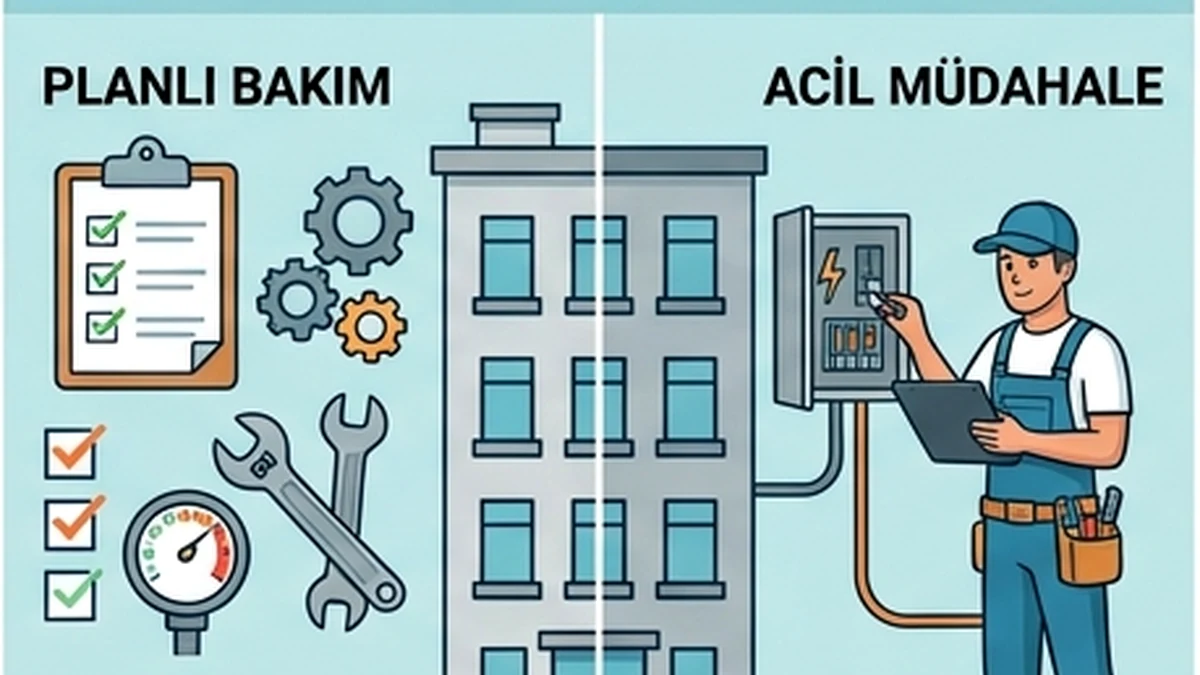
Do not convert a finding into a numeric cost unless a document or quotation supports it. If no figure exists, record the need for an independent technical estimate rather than inventing an amount. Separate routine maintenance from defects that can affect the acquisition decision or operating budget.
Closure standard
A file is ready when each material fact can be traced to a clear record and changing items such as contracts, fees and open defects have been reconfirmed at the decision date.
Evidence-to-risk register
Create one row per asset with asset ID, service provider, dated inspection, invoice reference, issue, likely operational impact, owner and closure deadline. Resolve gaps between work orders and contractor invoices before relying on a maintenance summary. Treat an unresolved critical-system fault as a decision item, not as a completed repair.
Budget distinction
Separate recurring servicing from exceptional replacement and record whether responsibility belongs to the owner, tenants or building management under the applicable documents. Escalate fire, lift and electrical findings to qualified inspectors.