
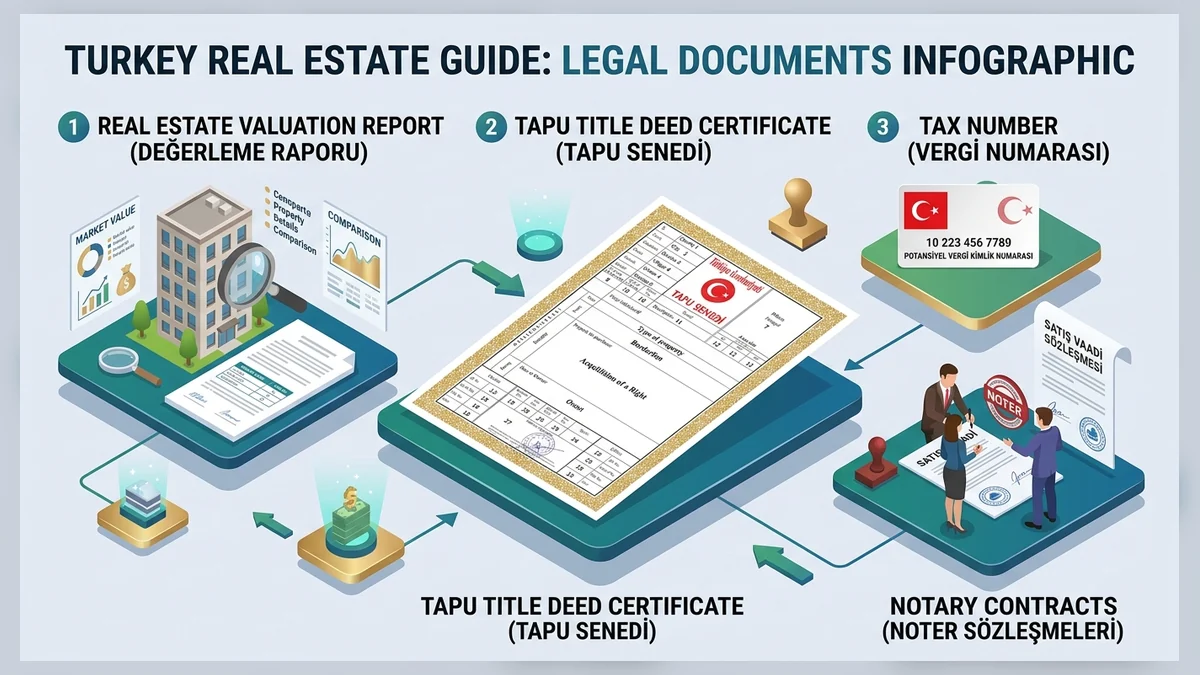
Title annotations and encumbrances Decision Framework
Decision question
Evidence matrix
Pass conditions
For the decision framework, test the strongest claim first. If annotations conflicts with easements/declarations, preserve both pieces of evidence and identify the reason for the conflict before treating the file as complete.
Conditional approval
Stop conditions
Transaction example
Final rationale
Trade-off
Evidence weighting
Test annotations independently before using decision as supporting evidence. This prevents a secondary document from validating an incorrect primary assumption.
Conditional path
Build a short contradiction note: what the seller says about decision; what the official record shows; what the physical or payment evidence shows; and what must happen if they disagree.
No-go trigger
Base the decision on the official wording and current status, not a seller’s oral explanation. Classify findings into three buckets: verified entry with no material impact on the buyer’s objective; entry that can be resolved before closing; and entry requiring legal review or stopping the transaction. The remedy is a fresh official check and a written note explaining the impact on price, payment, use, financing or closing.
The transaction file must state whether that uncertainty blocks title transfer, payment, financing, possession, lawful use or only affects pricing. Test annotations independently before using decision as supporting evidence. If annotations conflicts with easements/declarations, preserve both pieces of evidence and identify the reason for the conflict before treating the file as complete.
If the file contains two different versions of encumbrances, record both dates, identify the issuer, and state why one version is operative. If either belongs to another unit, year, party or version, the apparent match is unreliable. The article is complete only when the evidence trail can survive a buyer, bank, lawyer or resale review.
What will a bank or valuer usually need to reconcile — title annotations, mortgages and encumbrances?
title annotations and encumbrances: Paying a mortgage debt does not by itself remove the mortgage from the registry; TKGM says the bank sends the release document electronically to the Land Registry Directorate for cancellation. The transaction file must state whether that uncertainty blocks title transfer, payment, financing, possession, lawful use or only affects pricing. Test annotations independently before using decision as supporting evidence. If annotations conflicts with easements/declarations, preserve both pieces of evidence and identify the reason for the conflict before treating the file as complete.
What unresolved issue can delay financing — title annotations, mortgages and encumbrances?
Use this workflow: current TKGM/Web Tapu record → identify every entry by type, date and beneficiary/authority → determine whether it remains active or has been deleted → assess impact on transfer, financing and intended use → recheck at closing. If the file contains two different versions of encumbrances, record both dates, identify the issuer, and state why one version is operative. If either belongs to another unit, year, party or version, the apparent match is unreliable. The article is complete only when the evidence trail can survive a buyer, bank, lawyer or resale review.
Can title annotations, mortgages and encumbrances affect financing or valuation?
Start with a fresh registry extract and review all annotations, declarations, rights and mortgages; do not rely only on the title-deed image. Base the decision on the official wording and current status, not a seller’s oral explanation. Classify findings into three buckets: verified entry with no material impact on the buyer’s objective; entry that can be resolved before closing; and entry requiring legal review or stopping the transaction. The remedy is a fresh official check and a written note explaining the impact on price, payment, use, financing or closing.