
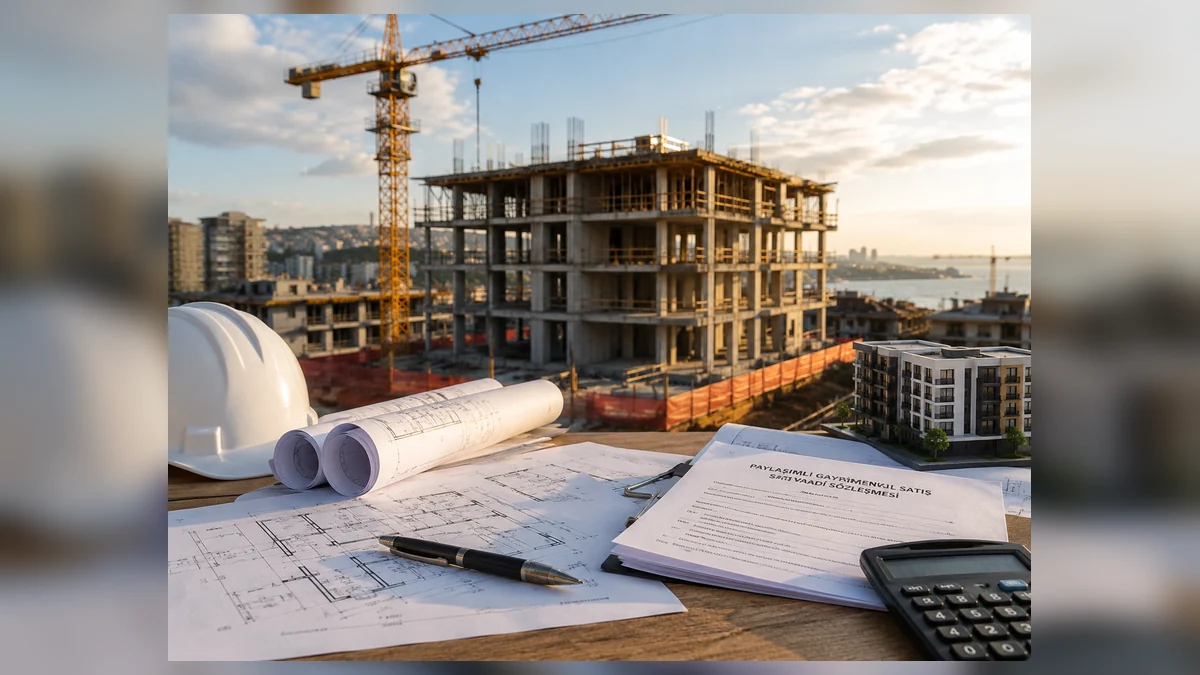
Structural inspection Red Flags Guide
Why this issue fails deals
High-risk inconsistencies
The evidence file should cover building/block identity, structural system, observed defects, tests/reports and inspection scope. A document can be genuine yet still be unusable if it belongs to a different unit, parcel, year or transaction. In “Structural inspection Red Flags Guide”, apply this evidence through the red-flag review and reconcile structural/inspection/flags to the controlling record for the same property before accepting the conclusion.
- building/block identity
- structural system
- observed defects
- tests/reports
- inspection scope
How to test the red flags
For the red flags, test the strongest claim first. If observed defects conflicts with tests/reports, preserve both pieces of evidence and identify the reason for the conflict before treating the file as complete.
Stop conditions
Evidence to retain
Transaction example
Checklist before closure
- building/block identity
- structural system
- observed defects
- tests/reports
- inspection scope
Payment freeze
Residual concern
False-positive screen
Evidence that clears the flag
The transaction file must state whether that uncertainty blocks title transfer, payment, financing, possession, lawful use or only affects pricing. In “Structural inspection Red Flags Guide”, apply this evidence through the red-flag review and reconcile structural/inspection/flags to the controlling record for the same property before accepting the conclusion.
Escalation path
Trigger catalogue
Structural inspection — Red flags
Source-grounded facts
A rapid structural screening is not a detailed seismic-performance report. Corrosion, structural cracking, soft-storey conditions or altered load-bearing members justify deeper engineering review. AFAD ties seismic design to code requirements, ground conditions and engineering services, so distinguish preliminary screening from a decision-grade report. In “Structural inspection Red Flags Guide”, apply this evidence through the red-flag review and reconcile structural/inspection/flags to the controlling record for the same property before accepting the conclusion.
How to use these facts
Primary sources
- AFAD
- İBB
- AFAD
What the record proves
Red flags include “earthquake safe” marketing with no report, a report for another block, missing pages or annexes, an old report presented as current after major alterations, an unlicensed assessor where legal authorization is required, or seller refusal to disclose known structural studies. In “Structural inspection Red Flags Guide”, apply this evidence through the red-flag review and reconcile structural/inspection/flags to the controlling record for the same property before accepting the conclusion.
Required reconciliation
Limits and exceptions
Decision consequence
FAQ
How can structural inspection and risky-building review affect future resale?
Red flags include “earthquake safe” marketing with no report, a report for another block, missing pages or annexes, an old report presented as current after major alterations, an unlicensed assessor where legal authorization is required, or seller refusal to disclose known structural studies.
Which document will a later buyer ask for — structural inspection and risky-building review?
What correction is easier to solve before purchase than after it — structural inspection and risky-building review?
Primary sources
Official source: AFAD Hazard Map
Structural-inspection red flags include an anonymous or unsigned report, a report for another building/block, missing appendices or test results, conclusions that exceed the stated inspection scope, and a claim that a building is “100% earthquake safe.” AFAD expressly distinguishes earthquake hazard from building-specific risk, so a hazard-map result cannot validate a structural report. Also escalate unexplained structural cracks, corrosion, soft/open ground floors, undocumented strengthening or major alterations made after the report date. A credible inspection should identify the inspected asset, date, scope, methods, limitations and responsible professionals. Where those elements are missing, keep the engineering question open.
Additional questions and context
How can structural inspection and risky-building review affect future resale?
Red flags include “earthquake safe” marketing with no report, a report for another block, missing pages or annexes, an old report presented as current after major alterations, an unlicensed assessor where legal authorization is required, or seller refusal to disclose known structural studies. Red flags include “earthquake safe” marketing with no report, a report for another block, missing pages or annexes, an old report presented as current after major alterations, an unlicensed assessor where legal authorization is required, or seller refusal to disclose known structural studies. This record applies that evidence specifically to structural inspection and risky-building review, and should be reconciled to the exact property rather than generalized from another unit.
Which document will a later buyer ask for — structural inspection and risky-building review?
Red flags include “earthquake safe” marketing with no report, a report for another block, missing pages or annexes, an old report presented as current after major alterations, an unlicensed assessor where legal authorization is required, or seller refusal to disclose known structural studies. Red flags include “earthquake safe” marketing with no report, a report for another block, missing pages or annexes, an old report presented as current after major alterations, an unlicensed assessor where legal authorization is required, or seller refusal to disclose known structural studies. For structural inspection and risky-building review, preserve the current official record, its date and the identifiers used to reach the conclusion.
What correction is easier to solve before purchase than after it — structural inspection and risky-building review?
Red flags include “earthquake safe” marketing with no report, a report for another block, missing pages or annexes, an old report presented as current after major alterations, an unlicensed assessor where legal authorization is required, or seller refusal to disclose known structural studies. Red flags include “earthquake safe” marketing with no report, a report for another block, missing pages or annexes, an old report presented as current after major alterations, an unlicensed assessor where legal authorization is required, or seller refusal to disclose known structural studies. For structural inspection and risky-building review, an unresolved conflict remains a transaction condition until the competent record or authority resolves it.