
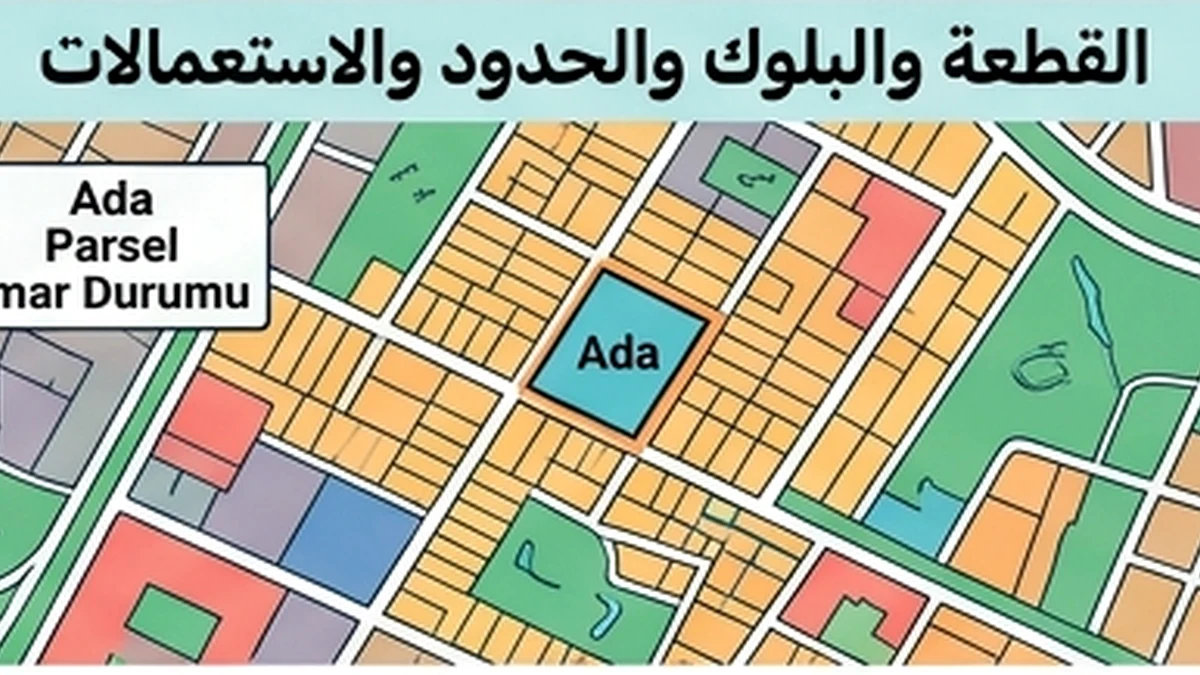
The exception entry should state both conflicting identifier sets, the documents in which they appear and the physical property each party believes they describe. Recheck TKGM Parcel Query and, where a cadastral change is involved, obtain the official link between former and current identifiers. Close the exception only when the transaction contract, valuation, title information and any payment reference can all point to the same current parcel or to a documented legal succession.
Documented encyclopedia enrichment: Exception Register — Parcel and block records
The parcel-and-block exception register is used when the transaction file does not match the traceable land-registry or cadastral identity of the property. Differences can result from subdivision, consolidation, renumbering, or reliance on an old copy. An exception should not be closed on an oral explanation; record the official source that resolved it, the query date, and the final property identity.
Verification method
In practice, the exception register should contain the issue description, evidence that exposed it, potential consequence, action owner, resolution deadline, and document required for closure. Resolved exceptions should not disappear; retain the closure history so the decision trail remains auditable. Distinguish a simple input error from a discrepancy that can alter property identity, area, or the scope of a right because the escalation level is different.
Evidence file
The evidence file should contain the reviewed document, reference or application number where available, retrieval date and time, reviewer, and any earlier version used for comparison. If the information can change, record the effective date of the review and the recheck point. These details prevent a result that was correct on an earlier date from becoming a permanent assumption after the register or transaction circumstances change.
Review checklist
When applying this record to “Exception Register — Parcel and block records”, review at least five elements: property identity, identity and authority of the parties, date of the source or document, any open restriction or exception, and whether the decision requires revalidation before registration or payment release. If any element conflicts with an official source, reliance on the result should stop until the resolution is documented.
Reliance decision
At the end of the review, record a clear status: confirmed, confirmed with conditions, further evidence required, or currently unacceptable. Link the status to the document that resolved each point, with verification date and authority or reference. If the transaction remains open, identify the next action, owner, and deadline. A longer file should not automatically receive a higher confidence level; quality depends on verifiability and consistency of evidence.