
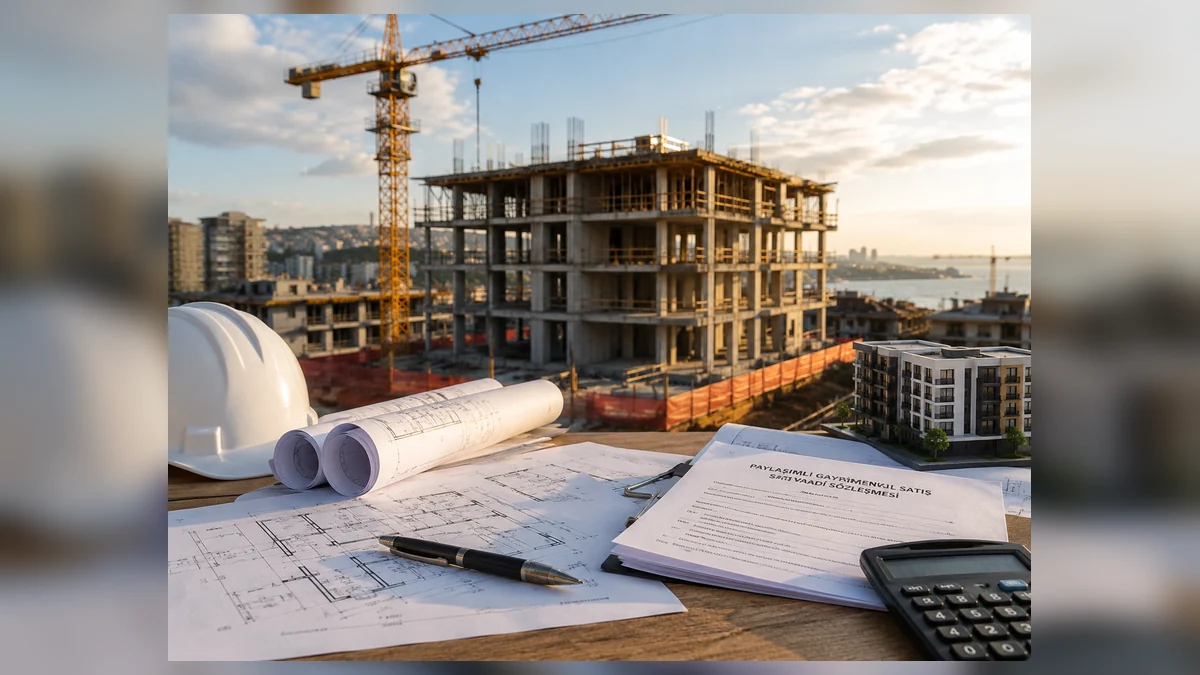
Earthquake risk screening Risk Review
Risk statement
Risk drivers
- AFAD site hazard
- building age/system
- alterations
- technical reports
- Riskli Yapı records
Risk reducers
For the risk review, test the strongest claim first. If alterations conflicts with technical reports, preserve both pieces of evidence and identify the reason for the conflict before treating the file as complete.
Scenario test
Risk decision
Transaction example
Checklist before closure
- AFAD site hazard
- building age/system
- alterations
- technical reports
- Riskli Yapı records
Residual risk
Probability
Severity
Mitigation
Decision
Risk statement
Earthquake risk screening — Risk analysis
This guide focuses on risk analysis for Earthquake risk screening.
Source-grounded facts
How to use these facts
Primary sources
- AFAD
- AFAD
- AFAD
What the record proves
Risks include calling a district “safe” from a regional map, ignoring soil, construction quality and alterations, relying on a non-expert visual inspection, or confusing DASK insurance with structural safety. Insurance is not a seismic-safety certificate.
Required reconciliation
Limits and exceptions
Decision consequence
2026 update
FAQ
How recent should the evidence for earthquake hazard versus building-specific risk be before signing?
AFAD’s current hazard map was published on 18 March 2018 and entered into force on 1 January 2019. AFAD explicitly says it is a hazard map, not a building-risk map; the interactive map also excludes local-site effects such as liquefaction, amplification and differential settlement. Risks include calling a district “safe” from a regional map, ignoring soil, construction quality and alterations, relying on a non-expert visual inspection, or confusing DASK insurance with structural safety. Insurance is not a seismic-safety certificate. Apply the evidence specifically to earthquake hazard versus building-specific risk and reconcile it to the exact property rather than generalizing from another unit.
Which part can change between reservation and closing — earthquake hazard versus building-specific risk?
Risks include calling a district “safe” from a regional map, ignoring soil, construction quality and alterations, relying on a non-expert visual inspection, or confusing DASK insurance with structural safety. Insurance is not a seismic-safety certificate. For earthquake hazard versus building-specific risk, preserve the current official record, its date and the identifiers used to reach the conclusion.
What should be rechecked on transfer day — earthquake hazard versus building-specific risk?
Risks include calling a district “safe” from a regional map, ignoring soil, construction quality and alterations, relying on a non-expert visual inspection, or confusing DASK insurance with structural safety. Insurance is not a seismic-safety certificate. For earthquake hazard versus building-specific risk, an unresolved conflict remains a transaction condition until the competent record or authority resolves it.
Primary sources
Official source: AFAD Hazard Map
Verified information for Earthquake risk screening
compare documentary status with the physical, payment or operational reality relevant to the topic and write down every unexplained difference before commitment.
Verified information for Earthquake risk screening
convert each unresolved difference into a named condition: evidence required, person responsible, deadline and the consequence if the condition is not satisfied.
For “Earthquake risk screening Risk Review”, compare documentary status with the physical, payment or operational reality relevant to the topic and write down every unexplained difference before commitment.