
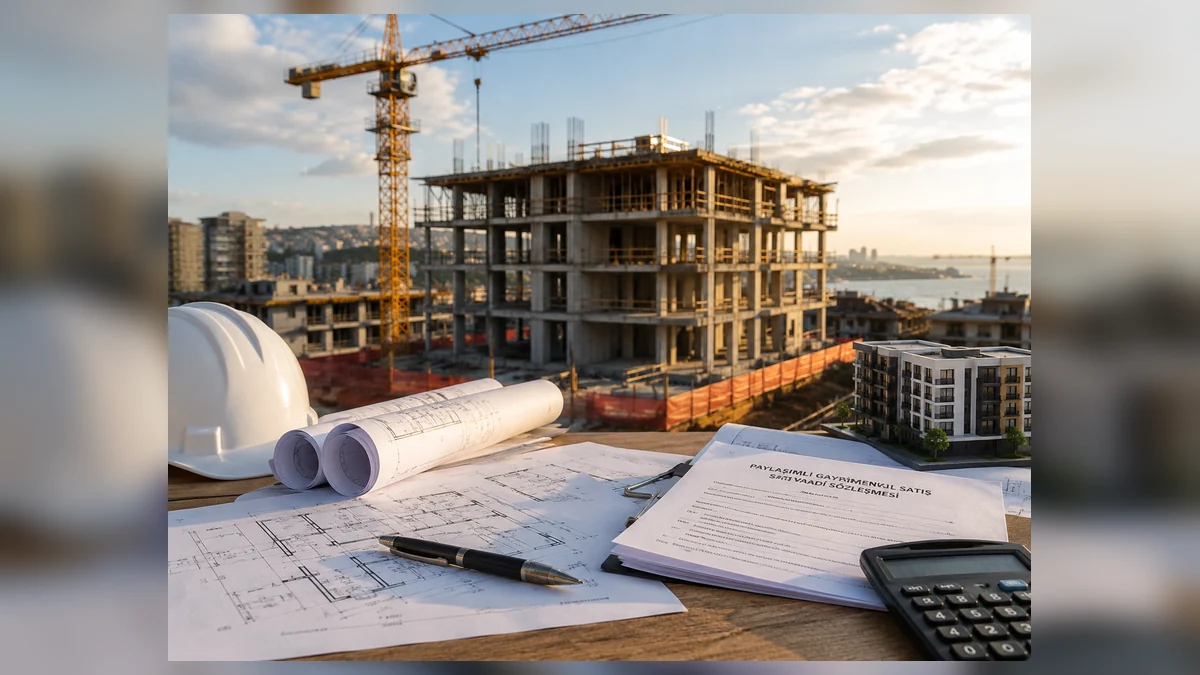
Counterparty Confirmation — Structural inspection
A practical Counterparty Confirmation workflow for Structural inspection, focused on evidence, timing, record reconciliation, exception closure and an auditable decision.
Verified facts relevant to this topic
Purpose of this guide
Counterparty Confirmation — Structural inspection applies an operational verification workflow to Structural inspection. The specific objective is to match counterparty statements to the register, contract and a verified communication channel before accepting any material change. A fact should not be treated as operationally reliable merely because it exists; it must be tied to the correct property, party and date and supported by evidence that another reviewer can audit later.
When to use this review
- Before signing a contract or amendment that changes rights or obligations.
- Before sending money or changing a beneficiary or account.
- When a new version of a previously relied-on document arrives.
- When there is a change of account, representative, instruction or document.
- When the database and a primary document or official source disagree.
- Before final closing when the information can change over time.
Evidence file
- Retain the source or document actually used for the decision.
- Record retrieval/receipt date and reviewer identity.
- Link the version to the correct property, unit and counterparty.
- Preserve prior versions when a document changes.
- Record any difference between the database and primary evidence.
- Do not fill missing fields with undocumented estimates.
Consistency tests
- Does every item refer to the same property and unit?
- Are party identities and legal capacities consistent?
- Is the date suitable for the moment on which the decision relies?
- Are amounts, rights and restrictions consistent across records?
- Does a material fact appear in only one source without explanation?
- Has anything changed since the last review that could alter the decision?
Verified facts from official sources
Structural-inspection review
Separate visual inspection, engineering assessment and an official Riskli Yapı determination. Each has a different evidentiary weight and purpose.
Use qualified technical evidence for structural conclusions rather than inferring safety from building age or cosmetic condition.
building-insurance review
Which other transaction document should be reconciled with building-insurance review?
The decisive evidence point is this: Building-insurance review should separate compulsory DASK from voluntary cover and match the insured property, validity dates, insured value, covered risks, deductibles and exclusions to the actual asset. Resolve contradictions across the transaction file instead of choosing the most convenient version.
What contradiction involving building-insurance review is most important to resolve?
For the decision itself, use this rule: Building-insurance review should separate compulsory DASK from voluntary cover and match the insured property, validity dates, insured value, covered risks, deductibles and exclusions to the actual asset. Preserve the record in a form that a later buyer can audit against the same property.
Why is reviewing building-insurance review in isolation insufficient?
The transaction should remain open until this is resolved: Building-insurance review should separate compulsory DASK from voluntary cover and match the insured property, validity dates, insured value, covered risks, deductibles and exclusions to the actual asset. Match the exact property, parties, dates, amounts and reference numbers relevant to this topic.
Evidence and decision plan for Counterparty Confirmation — Structural inspection
“Counterparty Confirmation — Structural inspection” should be handled as a decision file, not as a collection of documents. Its working objective is to obtain independent confirmation of material facts from the responsible party or issuer instead of relying on a forwarded copy alone. Evidence is useful only when it can be tied to the same property, party and decision date.
Evidence to assemble
- For “Counterparty Confirmation — Structural inspection”, match the property and party identifiers in the evidence to the asset and people actually involved; a correct document for the wrong unit or person does not close the check.
- For “Counterparty Confirmation — Structural inspection”, record issuer, source, issue or retrieval date and version where available, then distinguish an original/current record from a scan, translation, draft, expired copy or superseded version.
- For “Counterparty Confirmation — Structural inspection”, compare documentary status with the physical, payment or operational reality relevant to the topic and write down every unexplained difference before commitment.
- For “Counterparty Confirmation — Structural inspection”, convert each unresolved difference into a named condition: evidence required, person responsible, deadline and the consequence if the condition is not satisfied.
Official reference to recheck
The source register for “Counterparty Confirmation — Structural inspection” includes AFAD — Türkiye Building Earthquake Code (https://www.afad.gov.tr/turkiye-bina-deprem-yonetmeligi). Use that source for the matters within its authority and recheck it when timing or rules are material; it does not replace a registry, engineering, tax, banking or contractual record that the specific decision separately requires.
Decision boundary
The decision for “Counterparty Confirmation — Structural inspection” is not “document present / document absent.” It is whether the evidence is current, identifies the right asset and parties, resolves material conflicts and supports the next irreversible step.
Counterparty confirmation for a structural inspection
Ask the seller or manager to identify exactly what kind of inspection they claim was performed: an engineer’s visual inspection, material testing, performance assessment, municipal rapid screening, or a formal risky-building determination. These are not interchangeable and carry different scopes and evidentiary weight. Confirmation should state the technical body, date and building covered rather than merely saying “the building was inspected.”
Then reconcile the copy supplied with the issuing or performing body where possible. If the report contains repair recommendations or limitations, establish whether those items were actually completed. Confirmation that a report exists is not confirmation that its findings were cured.