
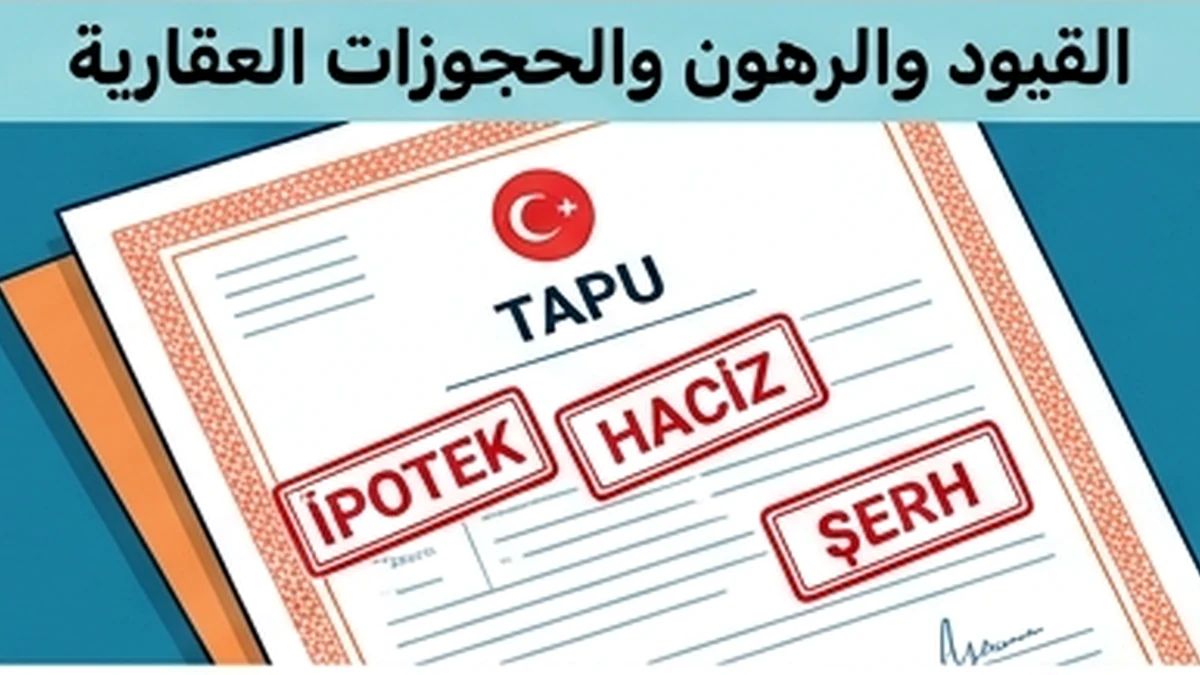
Payment Release Gate — Mortgage and lien status
A practical Payment Release Gate workflow for Mortgage and lien status, focused on evidence, timing, record reconciliation, exception closure and an auditable decision.
Verified facts relevant to this topic
Purpose of this guide
Payment Release Gate — Mortgage and lien status applies an operational verification workflow to Mortgage and lien status. The specific objective is to tie every transfer or payment to completed checks and explicit conditions instead of paying on promises or time pressure. A fact should not be treated as operationally reliable merely because it exists; it must be tied to the correct property, party and date and supported by evidence that another reviewer can audit later.
When to use this review
- Before signing a contract or amendment that changes rights or obligations.
- Before sending money or changing a beneficiary or account.
- When a new version of a previously relied-on document arrives.
- When there is a payment request, beneficiary change or accelerated payment date.
- When the database and a primary document or official source disagree.
- Before final closing when the information can change over time.
Execution sequence
- Define the critical point and pass criterion.
- Retrieve the current source or request the primary document.
- Cross-check names, identifiers, dates, amounts and rights.
- Log every conflict or gap explicitly.
- Assign an owner and closure date to each open point.
- Turn unresolved material points into written pre-commitment conditions.
- Recheck changeable information at the actual decision moment.
- Archive the pass, conditional-pass or stop decision with its reason.
Financial and operational impact
Verified facts from official sources
Mortgage and lien status
Use the newest available official record or circular because the status may change.
Payment gate for mortgage release
If buyer funds will discharge the mortgage, coordinate payoff and release as one evidenced process rather than paying the seller in full first. A registered encumbrance without a documented release mechanism blocks payment.
Designing a safe payment gate when a mortgage is registered
Where sale proceeds will be used to discharge a mortgage, payment sequencing is part of title risk management. Before the buyer releases an irreversible amount, obtain the current registry record and identify every mortgage or lien that must be cleared. Determine the creditor’s required payoff amount and the method by which the deletion instruction will reach the land registry. A private promise from the seller that the debt will be paid after closing leaves the buyer exposed to both payment risk and continued encumbrance.
The gate should specify what evidence opens each payment step. One portion may be paid directly to the mortgage creditor against a documented payoff arrangement; the seller’s balance should not be released until the agreed deletion or simultaneous registry step is capable of completion. If the creditor’s figure has an expiry date, interest accrues daily, or a new payoff statement is needed, build that timing into the closing checklist. Also check for attachments or other entries that a mortgage payoff will not remove.
Use a written fallback if registration cannot proceed: funds remain protected, the seller bears the agreed cost of delay, and the buyer can recover money where the essential release condition fails. After completion, obtain a fresh registry record rather than relying on the payment receipt. The gate is closed only when the record reflects the encumbrance position promised in the sale contract. This separation between debt settlement and registry deletion is especially important because payment of a debt and removal of a registered right are related but not identical events.