
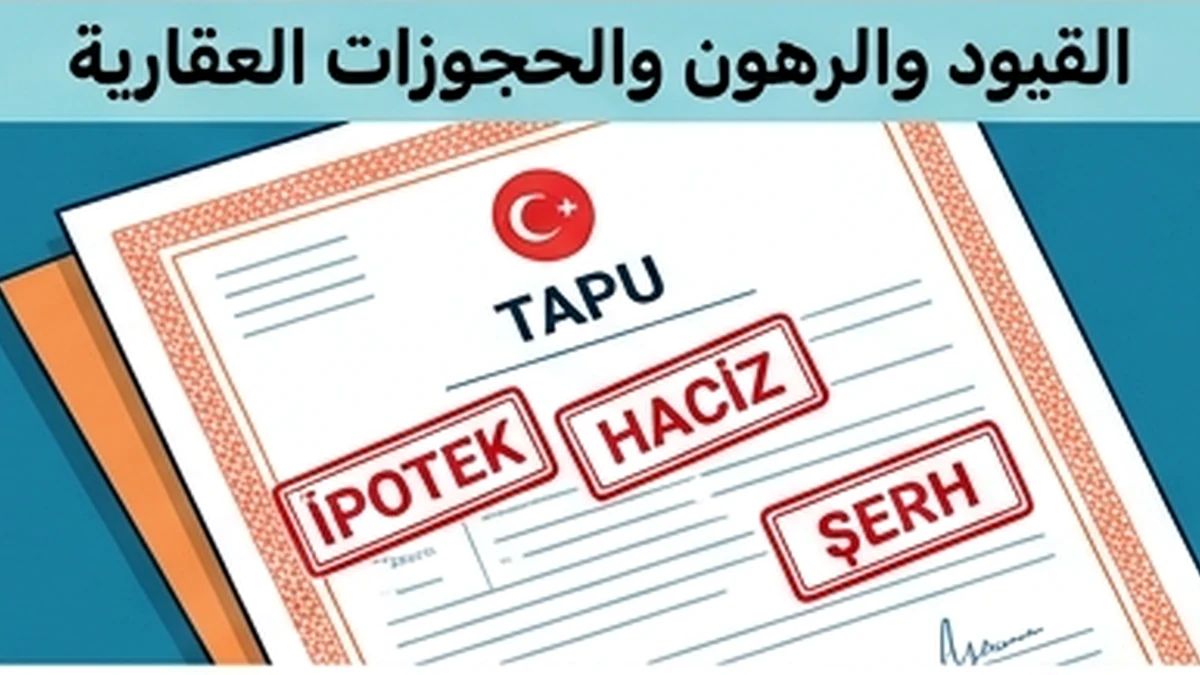
Change Control — Mortgage and lien status
A practical Change Control workflow for Mortgage and lien status, focused on evidence, timing, record reconciliation, exception closure and an auditable decision.
Verified facts relevant to this topic
Purpose of this guide
Change Control — Mortgage and lien status applies an operational verification workflow to Mortgage and lien status. The specific objective is to record every change in document, price, party or date and compare it with the version on which the earlier decision was based. A fact should not be treated as operationally reliable merely because it exists; it must be tied to the correct property, party and date and supported by evidence that another reviewer can audit later.
When to use this review
- Before signing a contract or amendment that changes rights or obligations.
- Before sending money or changing a beneficiary or account.
- When a new version of a previously relied-on document arrives.
- When there is a new version or a change in amount, party or date.
- When the database and a primary document or official source disagree.
- Before final closing when the information can change over time.
Change Control — Mortgage and lien status
A practical Change Control workflow for Mortgage and lien status, focused on evidence, timing, record reconciliation, exception closure and an auditable decision.
Financial and operational impact
Verified facts from official sources
Change control
Practical FAQ built from the record’s verified facts
What official fact about mortgages, liens and title annotations should a buyer verify after the underlying record changes?
Mortgages, liens and annotations are not cosmetic notes; review a current registry extract and identify the restriction type, beneficiary, scope and status before financial commitment. If registry, project, numbering or share data changes after verification begins, preserve the old and new versions with date and reason. A valid change may be legitimate; relying on a superseded version is the real risk.
Which document fields or legal details on mortgages, liens and title annotations matter most after the underlying record changes?
If registry, project, numbering or share data changes after verification begins, preserve the old and new versions with date and reason. A valid change may be legitimate; relying on a superseded version is the real risk. Mortgages, liens and annotations are not cosmetic notes; review a current registry extract and identify the restriction type, beneficiary, scope and status before financial commitment. Web Tapu can display mortgage, seizure, annotation and easement information and supports obtaining current official registry documents.
What can go wrong with mortgages, liens and title annotations after the underlying record changes, and what evidence resolves it?
Web Tapu can display mortgage, seizure, annotation and easement information and supports obtaining current official registry documents. If registry, project, numbering or share data changes after verification begins, preserve the old and new versions with date and reason. A valid change may be legitimate; relying on a superseded version is the real risk.
Sources for this section were reviewed on 16 August 2026.
Change control for mortgage status
Any change in creditor, amount, rank or release instruction triggers re-review. Preserve old and new registry evidence and connect the difference to bank documentation so a payment decision is not based on obsolete terms.