
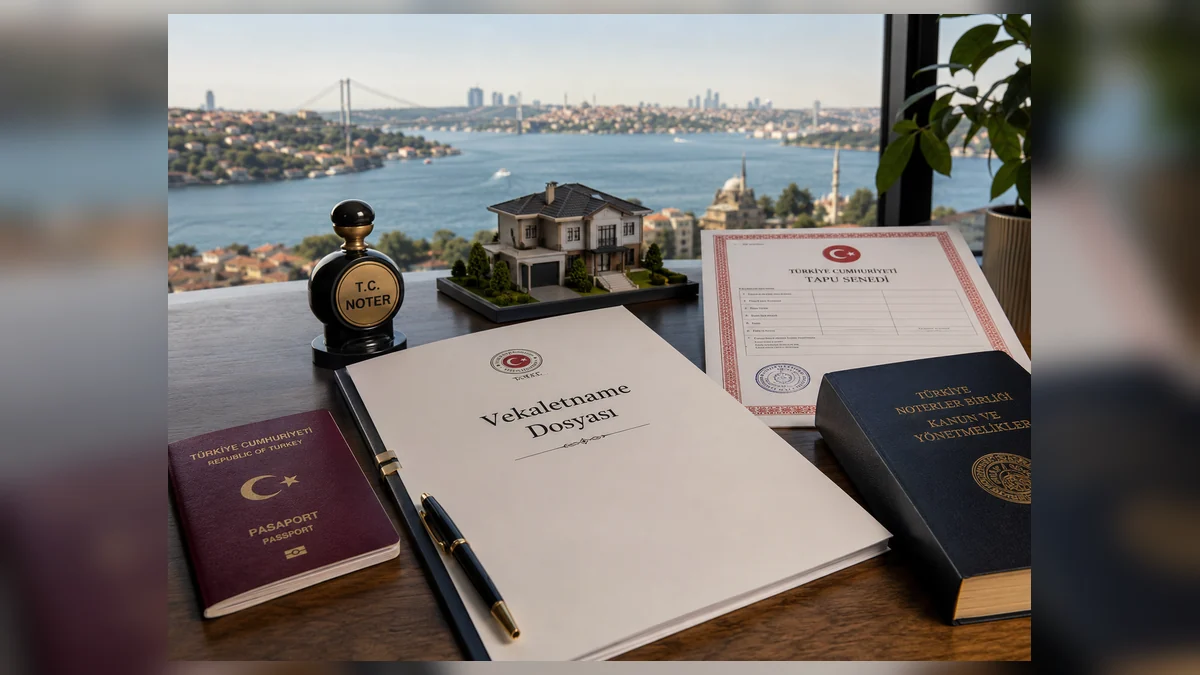
Exception Register — Closing Appointment
Use exceptions to keep the live case honest
A land-registry closing case often develops small and large problems after submission: a missing document, identity mismatch, unavailable representative, property-record change, fee discrepancy, system return or rescheduling. The purpose of an exception register is not to create a second bureaucracy. It prevents these issues from being hidden inside emails and chat messages while the transaction continues as if nothing happened. Each exception becomes a specific fact with a responsible owner, affected action and objective closure evidence.
Describe the failure, not a colour
Write what failed, where it was observed, when and against which expected condition. “Red — tapu issue” is useless. “Application returned because representative document did not match the party recorded in the case” is actionable. Attach the system/office message where available and record the exact property and application reference. The description should allow a new reviewer to understand the issue without relying on the memory of the person who opened it.
Classify by operational consequence
Useful classes include identity, representation, property/registry, missing required document, fee/payment, application routing, translation, system/technical, scheduling and legal restriction. Then state what the exception blocks: merely a convenience step, submission, signing, payment or registration. A harmless typo in a contact field should not be treated like a new attachment on title; equally, a material registry change must not be downgraded because the appointment date is near.
Give every exception one owner and one closure test
Assign a responsible role—not “team”—and define what evidence closes the issue. A missing identity bridge closes with official identity evidence; an outdated representation file closes with current authority; a returned application closes when the office accepts the corrected submission or provides the current instruction; a new title entry closes only after its legal/transaction effect is reviewed. Verbal assurance does not satisfy a documentary closure test.
Keep office instructions and system messages
The current TKGM workflow may generate messages, requests and status changes during WebTapu/Alo 181 processing. Preserve relevant official communications and link them to the exception rather than copying only a paraphrase. If the office gives a replacement instruction, retain the earlier message but mark it superseded. This creates a timeline of what the file was told to do and protects against later confusion when different screenshots or messages circulate.
Control accepted risk separately from cured issues
Some non-material operational issue may be accepted by an authorised decision-maker if the official process permits the transaction to continue. That is not the same as “fixed.” Record who accepted it and what residual effect remains. Do not use risk acceptance to override a registry office requirement, an unresolved authority defect or a legal obstacle. The register should distinguish open, cured, superseded, officially waived/clarified, and explicitly accepted internal risk.
Review the register before money and before registration
At each critical gate, filter open exceptions by consequence. Before irreversible payment, ensure none affects seller identity, authority, property, beneficiary or the agreed payment condition. Before the registry act, ensure official prerequisites and current instructions are satisfied. An exception that seemed minor at application can become material after a document or party changes. Closing-day review prevents old assumptions from surviving into the final act.
Close with evidence and preserve the history
When an item closes, record date, reviewer, evidence and a concise reason why the evidence answers the original problem. Do not delete the entry. If the transaction fails or is rescheduled, record that outcome rather than artificially closing all items. The completed exception history is valuable at audit and resale because it shows that irregularities were identified and treated deliberately rather than ignored.
Quality standard
A good exception register lets a manager answer in minutes: what is wrong, whose action is needed, what is blocked, what evidence is awaited, what the office has said, and whether the issue is open or genuinely closed. It complements the official land-registry process; it never substitutes for it. The record should reduce ambiguity, not create generic “risk notes” that can be copied from one transaction to another.