
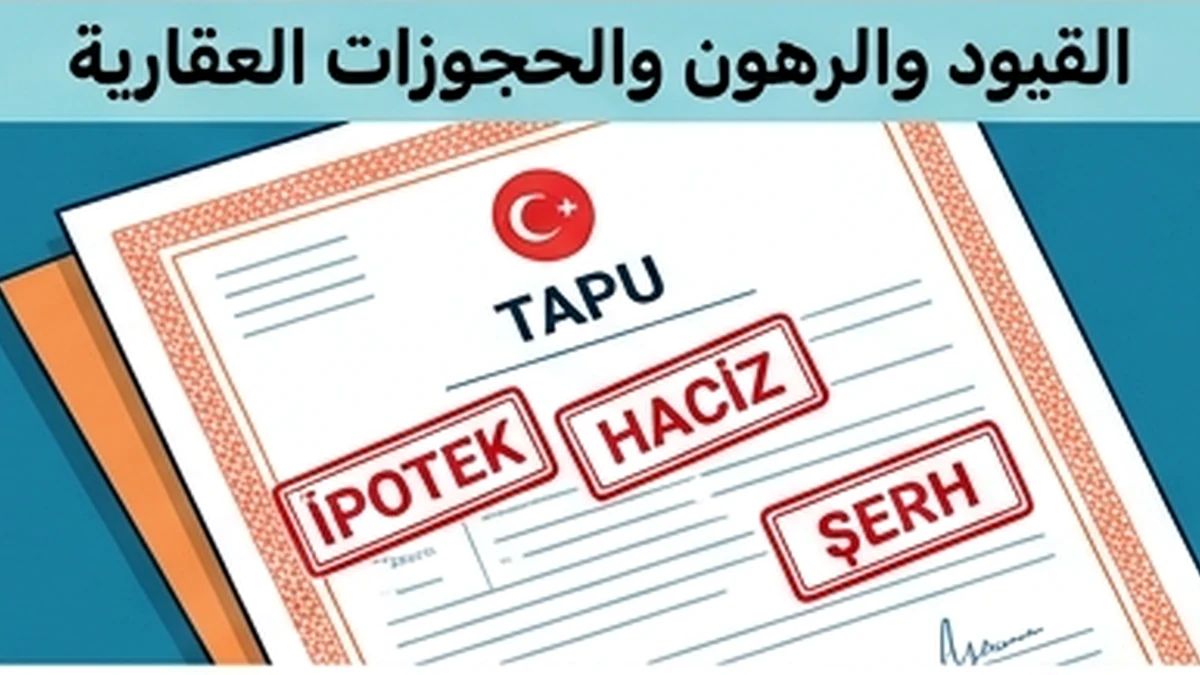
Validity and Deadline Control — Seizure and attachment status
A practical Validity and Deadline Control workflow for Seizure and attachment status, focused on evidence, timing, record reconciliation, exception closure and an auditable decision.
Verified facts relevant to this topic
Purpose of this guide
Validity and Deadline Control — Seizure and attachment status applies an operational verification workflow to Seizure and attachment status. The specific objective is to confirm that the document, approval or fact remains valid on the date the commitment will rely on it. A fact should not be treated as operationally reliable merely because it exists; it must be tied to the correct property, party and date and supported by evidence that another reviewer can audit later.
When to use this review
- Before signing a contract or amendment that changes rights or obligations.
- Before sending money or changing a beneficiary or account.
- When a new version of a previously relied-on document arrives.
- When there is an approaching expiry or a closing-date change.
- When the database and a primary document or official source disagree.
- Before final closing when the information can change over time.
Starting point
Execution sequence
- Define the critical point and pass criterion.
- Retrieve the current source or request the primary document.
- Cross-check names, identifiers, dates, amounts and rights.
- Log every conflict or gap explicitly.
- Assign an owner and closure date to each open point.
- Turn unresolved material points into written pre-commitment conditions.
- Recheck changeable information at the actual decision moment.
- Archive the pass, conditional-pass or stop decision with its reason.
Verified facts from official sources
Decision gate
Proceed only when the exact entry and its effect are understood and the closing route is legally workable; hold for formal clearance or stop if a blocking measure remains.
Practical questions answered from primary sources
What should be checked about resale after removal before reselling the property in seizure / attachment on real estate, specifically resale after removal?
A seizure or provisional attachment on real estate is not a cosmetic note. Identify the entry type, issuing authority, file/date, legal effect and whether its removal is actually registered before treating the property as clear of that restriction. Proceed only when the exact entry and its effect are understood and the closing route is legally workable; hold for formal clearance or stop if a blocking measure remains. For this exact point—“resale after removal” within seizure / attachment on real estate—use the cited source to establish the governing rule for the same property and current transaction.
Which evidence will a later buyer, bank or valuer ask for in seizure / attachment on real estate, specifically resale after removal?
Proceed only when the exact entry and its effect are understood and the closing route is legally workable; hold for formal clearance or stop if a blocking measure remains. The goal is to show the visitor what the evidence proves, what it does not prove, and the next check required before signing or payment. For the document check on “resale after removal” within seizure / attachment on real estate, match the official identifiers, date, authority and scope to the closing file; a related document for another unit or older version is not enough.
Can unresolved resale after removal reduce liquidity or marketability in seizure / attachment on real estate, specifically resale after removal?
The goal is to show the visitor what the evidence proves, what it does not prove, and the next check required before signing or payment. For the risk question on “resale after removal” within seizure / attachment on real estate, treat any unresolved mismatch as a live transaction issue until the competent record or authority shows the required status.
Sources checked: 16 August 2026.
Validity control for seizure status
Attachment checks should be fresh near final signature and payment, with a transfer-day recheck when appropriate. Any delay or new dispute requires a new search rather than assuming an old result remains valid.