
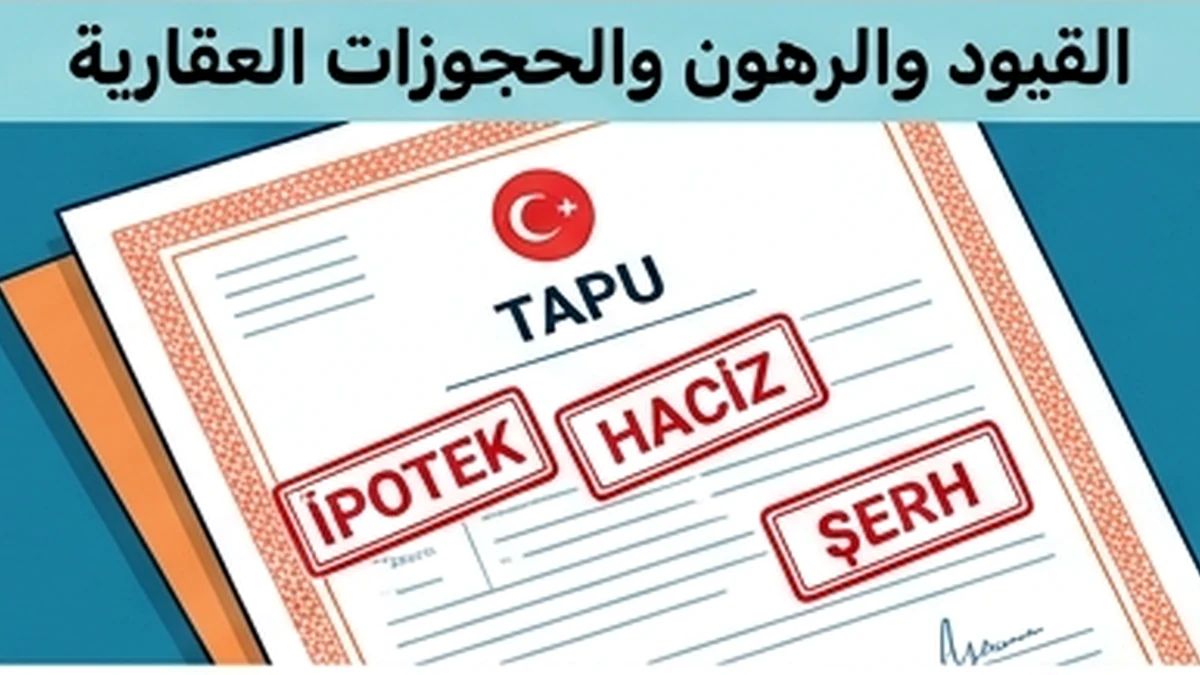
Cross-Party Consistency Check — Seizure and attachment status
A practical Cross-Party Consistency Check workflow for Seizure and attachment status, focused on evidence, timing, record reconciliation, exception closure and an auditable decision.
Verified facts relevant to this topic
Purpose of this guide
Cross-Party Consistency Check — Seizure and attachment status applies an operational verification workflow to Seizure and attachment status. The specific objective is to compare party identities, data and instructions across contracts, registers and communication channels to expose unexplained inconsistencies before commitment. A fact should not be treated as operationally reliable merely because it exists; it must be tied to the correct property, party and date and supported by evidence that another reviewer can audit later.
When to use this review
- Before signing a contract or amendment that changes rights or obligations.
- Before sending money or changing a beneficiary or account.
- When a new version of a previously relied-on document arrives.
- When there is a mismatch in name, identifier, capacity, account or instruction across two sources.
- When the database and a primary document or official source disagree.
- Before final closing when the information can change over time.
Evidence file
- Retain the source or document actually used for the decision.
- Record retrieval/receipt date and reviewer identity.
- Link the version to the correct property, unit and counterparty.
- Preserve prior versions when a document changes.
- Record any difference between the database and primary evidence.
- Do not fill missing fields with undocumented estimates.
Escalation signals
Verified facts from official sources
Seizure / Haciz verification
Verify each attachment against the current title record, its issuing file/authority and present status. A payment promise or external letter is not the same as deletion from the registry.
Recheck the title immediately before closing and document any required release or deletion.
seizure / Haciz verification
Every Haciz/attachment should be checked against a current title record with the issuing enforcement file or authority and current status; a promise that it will be removed is not evidence of release.
What does seizure / Haciz verification prove in this transaction?
The decisive evidence point is this: Every Haciz/attachment should be checked against a current title record with the issuing enforcement file or authority and current status; a promise that it will be removed is not evidence of release. Use the current official or signed record for the same property and parties.
Which document should be kept as the primary evidence for seizure / Haciz verification?
For the decision itself, use this rule: Every Haciz/attachment should be checked against a current title record with the issuing enforcement file or authority and current status; a promise that it will be removed is not evidence of release. Do not accept the issue until its legal and financial consequence is understood and documented.
What should not be inferred from seizure / Haciz verification alone?
The transaction should remain open until this is resolved: Every Haciz/attachment should be checked against a current title record with the issuing enforcement file or authority and current status; a promise that it will be removed is not evidence of release. Preserve the record in a form that a later buyer can audit against the same property.
Evidence and decision plan for Cross-Party Consistency Check — Seizure and attachment status
When reviewing “Cross-Party Consistency Check — Seizure and attachment status”, the file should compare the same names, property identifiers, amounts, dates and obligations across every relevant party and document. This makes the article useful at the point of commitment because unresolved facts are separated from verified facts instead of being buried in narrative.
Evidence to assemble
- For “Cross-Party Consistency Check — Seizure and attachment status”, match the property and party identifiers in the evidence to the asset and people actually involved; a correct document for the wrong unit or person does not close the check.
- For “Cross-Party Consistency Check — Seizure and attachment status”, record issuer, source, issue or retrieval date and version where available, then distinguish an original/current record from a scan, translation, draft, expired copy or superseded version.
- For “Cross-Party Consistency Check — Seizure and attachment status”, compare documentary status with the physical, payment or operational reality relevant to the topic and write down every unexplained difference before commitment.
- For “Cross-Party Consistency Check — Seizure and attachment status”, convert each unresolved difference into a named condition: evidence required, person responsible, deadline and the consequence if the condition is not satisfied.
Official reference to recheck
The source register for “Cross-Party Consistency Check — Seizure and attachment status” includes TKGM — Takyidat / Encumbrance Information (https://www.tkgm.gov.tr/en/node/3347). Use that source for the matters within its authority and recheck it when timing or rules are material; it does not replace a registry, engineering, tax, banking or contractual record that the specific decision separately requires.
Decision boundary
A defensible conclusion on “Cross-Party Consistency Check — Seizure and attachment status” records both what was verified and the limits of that verification. If a missing fact could change ownership, legality, safety, cost or payment security, it should block the related commitment until resolved.
Cross-party consistency — seizure and attachment status
Compare the current registry with the seller, lawyer, lender and valuer statements about any haciz or ihtiyati haciz. The Land Registry Regulation identifies official authority correspondence as the basis for seizure-related restrictions, so capture the issuing authority, file/reference and date precisely. If an older report shows no attachment but the current register does, the current entry becomes the fact to investigate.
Do not assume a creditor’s willingness to cooperate is the same as removal. Establish whether the entry restricts disposal, what procedure is required and when deletion will become visible in the register. Keep every party discrepancy open until the current registry and competent authority evidence reconcile.