
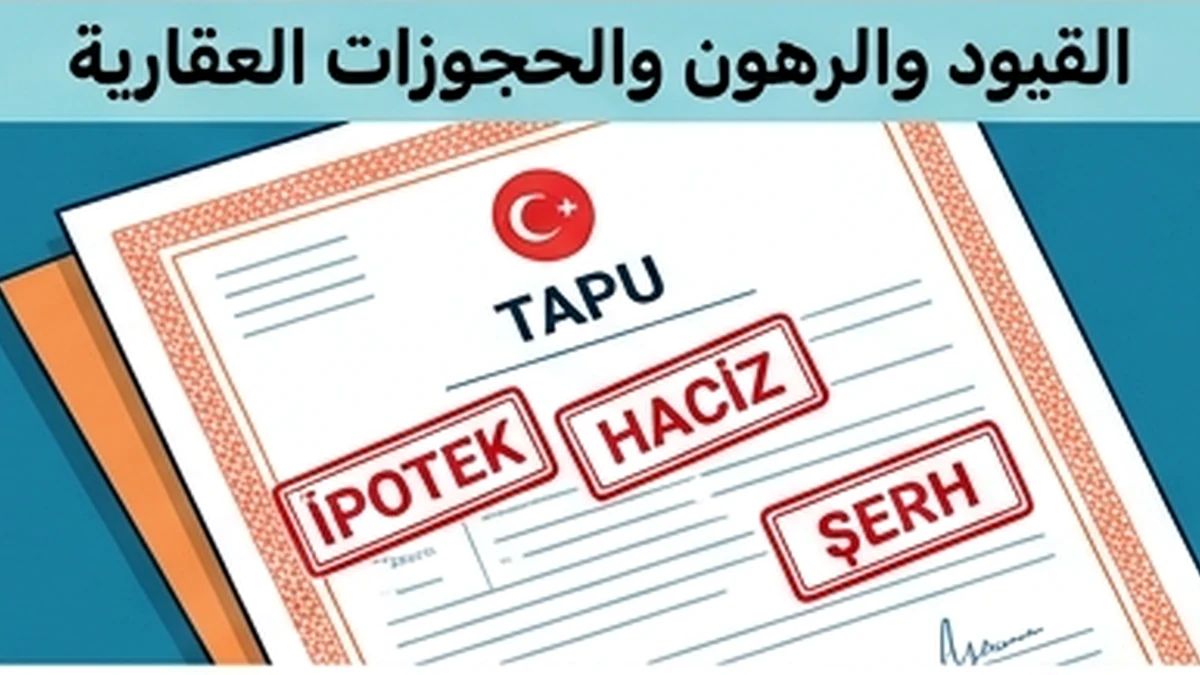
Audit Trail Reconstruction — Seizure and Attachment Status
When a property has had one or more attachments, the final clean registry alone may not explain whether the transaction was handled safely. An audit trail reconstructs how the enforcement position evolved, which evidence was available at each decision point, what money moved, and why the parties concluded that a restriction had been cured or accepted. This matters for internal quality control, later resale, lender review, disputes and any question about whether payment was released before the title condition was truly satisfied.
Build the timeline from primary evidence
Collect the earliest registry extract used in the transaction, later extracts, notices or documents from enforcement authorities, creditor communications, release applications, payment receipts, appointment records and the final registry evidence. Put them in chronological order. For each item record the source, date and time where available, the property identifiers and the specific attachment it concerns. Do not rely on file creation dates alone; use the legal or official date shown by the source.
Give every attachment its own identity
If several attachments existed, assign each one a separate line using the issuing authority, file or journal reference, date and other distinguishing details. This prevents a common audit error in which evidence that one attachment was removed is mistakenly treated as proof that all restrictions disappeared. Link every release document and registry change to the exact entry it affects.
Reconstruct decision gates
Mark the dates when the buyer reserved the property, made a deposit, signed a sale contract, released major funds, obtained bank approval and completed title transfer. Next to each gate, state what registry evidence existed at that moment and what unresolved issue remained. If the buyer proceeded under a written condition, include the condition and who approved it. The audit trail should expose, not hide, any period in which payment preceded the final deletion.
Trace release mechanics and money
Where a creditor was paid in order to secure release, match the payment instruction, recipient account, amount, receipt, release request and later registry result. If E-Haciz or another electronic channel was used, record the transaction or reference information that the parties were allowed to retain. A creditor’s acknowledgment and the official deletion serve different functions, so preserve both when available.
Explain gaps and contradictions
Missing evidence should be labelled as missing, not reconstructed from memory. If two documents disagree on dates, affected property or status, record the conflict and the evidence used to resolve it. If the seller said an attachment had been removed before the registry confirmed it, the timeline should show that distinction. A good audit trail is factual and transparent rather than written to make every past decision look perfect.
Create a final reproducible conclusion
End with the state at title transfer and, where relevant, a post-closing check. Identify which attachments were deleted, which survived with informed acceptance and what evidence proves each result. Store the source links and check dates. Another reviewer should be able to start from the timeline, open the listed evidence and reach the same conclusion without calling the people who handled the original transaction.
Official sources
- TKGM — Tapu Sicili Tüzüğü.
- TKGM — E-Haciz.
- TKGM — official FAQs and registry procedures.