
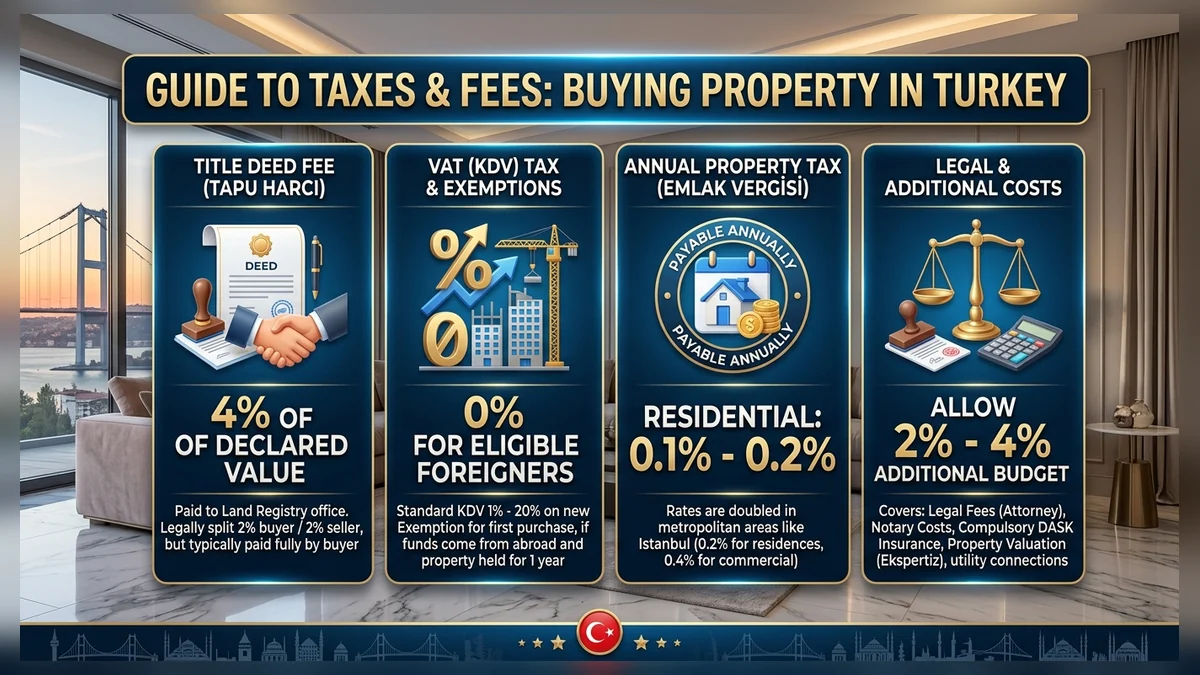
Cost Consequence Trace — Municipal property tax
This article has one purpose: resolve the question raised by “Cost Consequence Trace — Municipal property tax” for the topic Municipal property tax. Start with municipal tax value and tax year, and tie both to the exact property, party and transaction date.
Finding
This article has one purpose: resolve the question raised by “Cost Consequence Trace — Municipal property tax” for the topic Municipal property tax. Start with municipal tax value and tax year, and tie both to the exact property, party and transaction date.
Direct cost
- municipal tax value
- tax year
- owner/payer
- arrears
- official receipts
Secondary/recurring cost
For the cost consequence trace, test the strongest claim first. If owner/payer conflicts with arrears, preserve both pieces of evidence and identify the reason for the conflict before treating the file as complete.
Responsible party
Price/contract treatment
Transaction example
Example: the file contains municipal tax value, but official receipts cannot be verified. Do not mark “Cost Consequence Trace — Municipal property tax” complete. Keep the issue open, obtain a current official record and document whether the mismatch changes payment, price, use, finance or closing.
Checklist before closure
- municipal tax value
- tax year
- owner/payer
- arrears
- official receipts
Official sources
Individual dossier for Cost Consequence Trace — Municipal property tax
Price treatment
Recurring amount
Test cost independently before using trace as supporting evidence. This prevents a secondary document from validating an incorrect primary assumption.
Cure cost
Build a short contradiction note: what the seller says about trace; what the official record shows; what the physical or payment evidence shows; and what must happen if they disagree.
Direct amount
The review must connect municipal with cost using evidence from the same asset and the same decision date. If either belongs to another unit, year, party or version, the apparent match is unreliable.
Responsible party
For a hypothetical closing, assume municipal is confirmed but cost remains unresolved. The transaction file must state whether that uncertainty blocks title transfer, payment, financing, possession, lawful use or only affects pricing.
Delay cost
If the file contains two different versions of consequence, record both dates, identify the issuer, and state why one version is operative. Do not silently overwrite the older evidence.
Municipal property-tax verification
Translate the verification result into a clear financial consequence: payable amount, arrears, security, fee or post-purchase exposure.
GİB is the official source for property-tax law and valuation rules, while the competent municipality holds the operational account and billing record.
Evidence and decision plan for Cost Consequence Trace — Municipal property tax
When reviewing “Cost Consequence Trace — Municipal property tax”, the file should trace each issue to a documented cost, responsible payer, timing and effect on price, cash flow or closing funds. This makes the article useful at the point of commitment because unresolved facts are separated from verified facts instead of being buried in narrative.
Evidence to assemble
- For “Cost Consequence Trace — Municipal property tax”, match the property and party identifiers in the evidence to the asset and people actually involved; a correct document for the wrong unit or person does not close the check.
- For “Cost Consequence Trace — Municipal property tax”, record issuer, source, issue or retrieval date and version where available, then distinguish an original/current record from a scan, translation, draft, expired copy or superseded version.
- For “Cost Consequence Trace — Municipal property tax”, compare documentary status with the physical, payment or operational reality relevant to the topic and write down every unexplained difference before commitment.
- For “Cost Consequence Trace — Municipal property tax”, convert each unresolved difference into a named condition: evidence required, person responsible, deadline and the consequence if the condition is not satisfied.
Official reference to recheck
The source register for “Cost Consequence Trace — Municipal property tax” includes TKGM — Tapu ve Kadastro Genel Müdürlüğü (https://www.tkgm.gov.tr/anasayfa). Use that source for the matters within its authority and recheck it when timing or rules are material; it does not replace a registry, engineering, tax, banking or contractual record that the specific decision separately requires.
Decision boundary
A defensible conclusion on “Cost Consequence Trace — Municipal property tax” records both what was verified and the limits of that verification. If a missing fact could change ownership, legality, safety, cost or payment security, it should block the related commitment until resolved.