
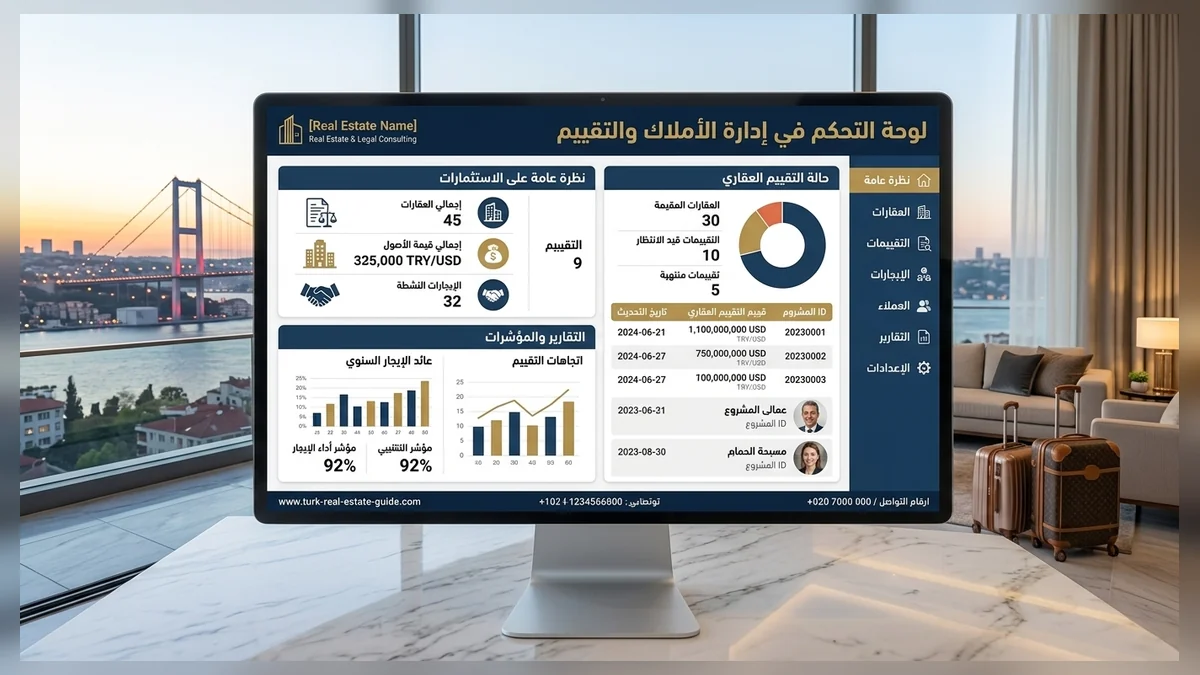
An aidat exception register should capture every material departure from the normal, documented common-expense position of the apartment or site. Aidat is not simply a number quoted by a seller: it should connect to the management plan, owners’ decisions, operating project and the allocation rules applicable to the property. Türkiye changed important site-management rules in May 2026. Ministry guidance on the amendment explains new limits on managers’ temporary operating-project increases and a stronger role for the owners’ board when increases exceed the revaluation-rate framework. Current decisions must therefore be checked under the rules actually in force.
Register amount and authority exceptions separately
A sudden increase can be mathematically correct but procedurally unsupported, or procedurally valid but allocated incorrectly to the unit. Record whether the exception concerns the total budget, the decision-making authority, the allocation key, the unit’s share, a special assessment or the timing of notice. Attach the owners’ resolution or operating project relied on. A manager’s WhatsApp message or seller statement should not close an exception that requires a formal decision or financial record.
Separate ordinary dues, arrears and special funding
Monthly aidat, historical arrears, late-payment consequences, maintenance reserve contributions and one-off capital works should be displayed separately. A buyer needs to know whether the current monthly amount is sustainable and whether a major approved expenditure is waiting after the sale. If the seller says a special assessment has been “included in the price,” still record the formal liability, payment status and contractual allocation. Do not hide a debt by netting it against an unrelated deposit or rent balance.
Track disputes and collection status
Open an exception when the owner disputes the amount, when management has started collection or enforcement, when a court or mediation process is pending, or when management records and the seller’s receipts disagree. Preserve the account statement and the owner’s objection. The due-diligence team should not decide the merits of a condominium-law dispute without legal review, but it should make the existence and financial consequence visible before the buyer commits.
Handle the 2026 rule change explicitly
For decisions made around the May 2026 amendment, record the decision date and the legal procedure used. Do not retroactively apply a new governance rule to an older decision without advice, and do not assume an older management practice remains valid after the amendment. Where the proposed increase is above the threshold that a manager may use in a temporary operating project, verify the owners’ meeting and approval evidence required by the current framework.
Criteria for closing an aidat exception
Close the item only when the amount, period, legal or management basis, unit allocation and payment status are documented, and any dispute has a clear outcome or is expressly accepted as an open risk in the sale contract. Keep a final management statement close to closing because balances can change monthly. A clean register lets a buyer distinguish normal recurring dues from arrears, special works and disputed amounts, and prevents the attractive headline aidat quoted during marketing from masking a larger common-expense exposure.
Separate current dues from historical exceptions
A buyer needs to know both the current account balance and why older disputed items appear in the history. Keep ordinary monthly dues separate from special assessments, litigation-related amounts, credits, allocation corrections and prior-owner arrears. If management issues a new statement after a correction, retain the earlier statement as well so the change is traceable. The goal is a ledger that explains how the final balance was reached, rather than a single “no debt” note with no supporting history.