
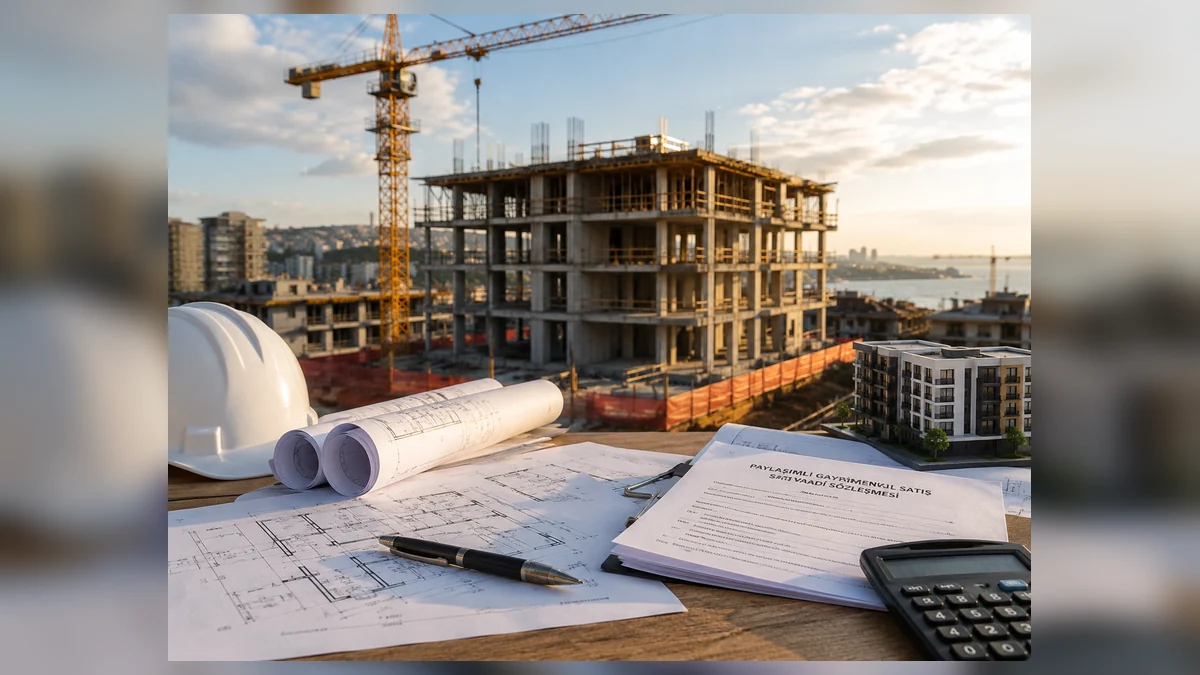
Change Control — Structural inspection
Primary official evidence
A structural inspection is not merely a visual visit. Cracking, moisture or deformation can be warning signs, but technical conclusions should rely on qualified engineering review, appropriate records and tests matched to the question being answered. If registry, project, numbering or share data changes after verification begins, preserve the old and new versions with date and reason. A valid change may be legitimate; relying on a superseded version is the real risk. Preserve the old and new material versions with the date and reason for change, then reassess every conclusion affected by that change.
Key verification points
If registry, project, numbering or share data changes after verification begins, preserve the old and new versions with date and reason. A valid change may be legitimate; relying on a superseded version is the real risk. A structural inspection is not merely a visual visit. Cracking, moisture or deformation can be warning signs, but technical conclusions should rely on qualified engineering review, appropriate records and tests matched to the question being answered. If the question is whether the building is legally classified as Riskli Yapı, a generic private report is not enough. The formal process follows 6306 criteria and authorized bodies, and any objection or final determination should be checked.
Document and identity reconciliation
Start by reconciling “In Istanbul, municipal rapid-screening information can be used as an initial signal where available, but it does not replace a detailed engineering assessment when structural safety is material.” with “Before signing a contract or amendment that changes rights or obligations.”, then use “Before sending money or changing a beneficiary or account.” as an independent cross-check if they conflict. The evidence must relate to the same property and transaction period.
Timing and change risk
The building earthquake code sets minimum design conditions considering hazard and ground characteristics; assessing an existing building therefore requires building, structural-system and ground evidence, not the map colour alone.
Decision standard
If the question is whether the building is legally classified as Riskli Yapı, a generic private report is not enough. The formal process follows 6306 criteria and authorized bodies, and any objection or final determination should be checked. If registry, project, numbering or share data changes after verification begins, preserve the old and new versions with date and reason. A valid change may be legitimate; relying on a superseded version is the real risk.
For Change Control — Structural inspection, What official evidence should control this check?
For Change Control — Structural inspection, structural inspection: Neither an AFAD hazard map result nor a DASK policy proves the structural safety of a particular building; cracks, alterations or other warning signs require building-specific engineering review and available structural records.
For Change Control — Structural inspection, Which details must match across the transaction file?
For Change Control — Structural inspection, a structural inspection is not merely a visual visit. Cracking, moisture or deformation can be warning signs, but technical conclusions should rely on qualified engineering review, appropriate records and tests matched to the question being answered. Preserve a file that can be handed to the next buyer: reference record, verification results, corrections, supporting documents and last-check date. A strong file shortens future due diligence and avoids rebuilding the property history from scratch. Preserve the old and new material versions with the date and reason for change, then reassess every conclusion affected by that change.