
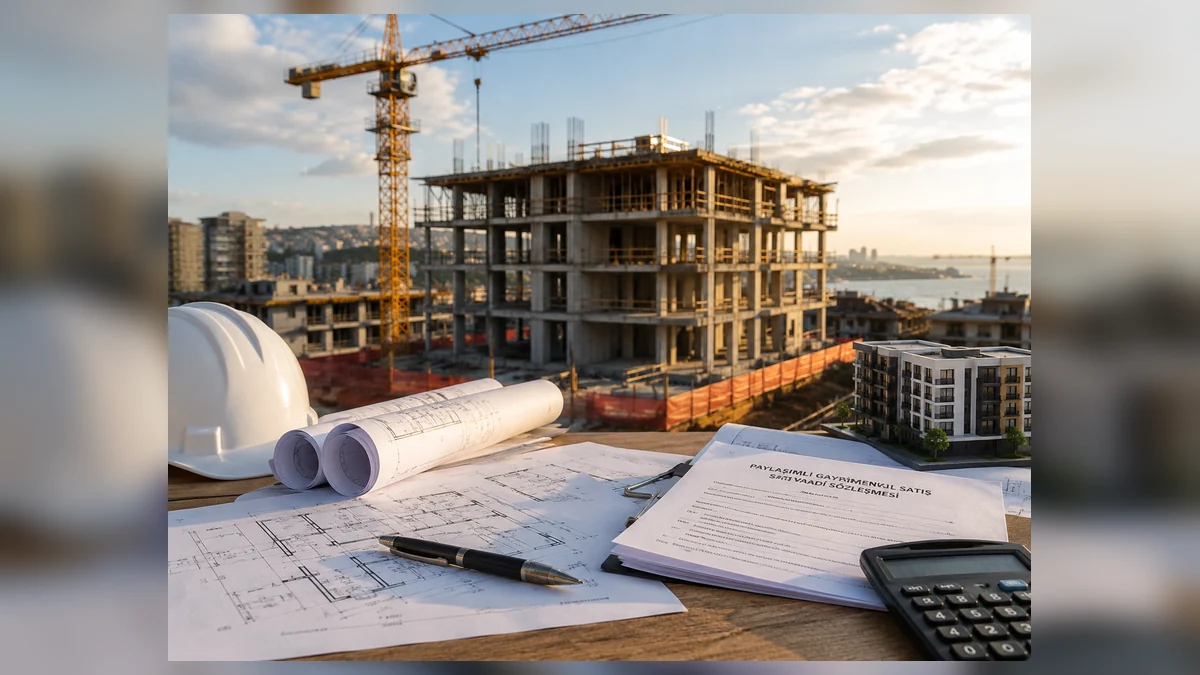
Audit Trail Reconstruction — Structural inspection
Purpose and scope
Treat “Audit Trail Reconstruction — Structural inspection” as a distinct control point in the property file. Its purpose is to turn information into a traceable decision: what must be checked, which document or register proves the result, when the check must be repeated, and how any conflict affects purchase, sale, leasing or handover.
Source-backed evidence
Within “Audit Trail Reconstruction — Structural inspection”, this point should be read as topic-specific evidence that must be tied to the property identifiers: Define the question the engineer was engaged to answer: local cracking, wall alteration, member capacity, whole-building assessment or post-earthquake review. A limited-scope report must not be expanded into a blanket safety certificate. The result is then compared with the rest of the file before reliance.
The following passage is a direct basis for this topic: If the objective is a formal 6306 process, use a licensed Riskli Yapı Tespiti and its administrative route rather than relabelling any private report. Tie strengthening/repair recommendations to later design and execution evidence and re-inspect after material changes. If it conflicts with a fresher document, the difference should be recorded and rechecked before a decision is made.
Integrated reference context
Verification and execution method
Practical checklist
- Compare names, numbers and dates with the rest of the transaction file; partial consistency is not enough where a material conflict exists.
- State whether the result of “Audit Trail Reconstruction — Structural inspection” affects ownership, use, price, payment, financing or the closing timetable.
- Recheck changeable elements before final signature or payment and retain the evidence on which the decision was based.
- Document exceptions, open questions, the person responsible for follow-up and the date or event that triggers re-verification.
References and documentation
- Turkish earthquake regulations
- DASK
- Ministry of Environment, Urbanisation and Climate Change
- Municipality / fire department as relevant
- Urban Transformation Law No. 6306
Decision summary
Reconstructing the engineering trail rather than the conclusion
An audit trail for a structural inspection should let a later engineer identify exactly what was asked, what was observed, what was tested and what changed after the first report. Start with the engagement scope and the building identifiers: address, block, number of storeys, structural system and the part of the building actually inspected. Preserve the signed report together with photographs, sketches, test sheets, laboratory results, calculation appendices and any list of inaccessible areas. If a report is limited to local cracking or visual observations, that limitation must travel with the report; it cannot later be quoted as a whole-building seismic performance certificate.
The chronology must distinguish different assessment routes. AFAD's Türkiye Bina Deprem Yönetmeliği contains rules for evaluation of existing buildings, while the formal “Riskli Yapı” route under Law No. 6306 is carried out through Ministry-licensed institutions under its own administrative procedure. İBB states that its Hızlı Tarama programme is a preliminary screening and is not itself a determination under Law No. 6306. These documents can all be useful, but they are not interchangeable. Record which route produced each result and why that result was relied upon.
After a finding, keep the next technical steps in sequence. A recommendation to investigate further is not proof that strengthening is required; a strengthening design is not proof that it was constructed; photographs of work are not proof that the final structure satisfies the intended performance. Link the finding to the approved design, contractor or site records, material/test evidence and the engineer's post-work verification where available. If an earthquake, new opening, removal of a wall or other material intervention occurs later, record the event and decide whether the earlier conclusion must be refreshed.
Sources: AFAD — Türkiye Bina Deprem Yönetmeliği; İstanbul Büyükşehir Belediyesi — Hızlı Tarama/Bina Tespiti FAQs; Ministry of Environment, Urbanisation and Climate Change — Riskli Yapı Süreci under Law No. 6306.
FAQ — Structural inspection audit trail
Is an İBB Hızlı Tarama result the same as a formal Riskli Yapı determination?
No. İBB describes Hızlı Tarama as a preliminary screening and states that it is not a determination under Law No. 6306. A formal Riskli Yapı process follows the Ministry's regulated route through licensed institutions.
What should be kept when a structural report is revised?
Keep the signed earlier version, the later controlling version, attachments and test data, the reason for revision and the date the new version replaced the old one. If the scope changed, record that separately.
Does a strengthening design prove that strengthening was completed?
No. The design proves what was proposed or approved. Completion requires execution evidence, relevant site or material records and, where available, post-work engineering verification tied to the same building.