
Furnished versus unfurnished rental: compare operating profit, not only monthly asking rent
A furnished apartment can appear more profitable because the asking rent is higher, but furniture, appliances, cleaning, frequent turnover, repairs and depreciation can consume much of that premium. An unfurnished unit may command a lower rent while attracting longer-stay tenants and requiring less owner intervention. The decision should begin with the tenant segment in the local market and then compare multi-year net income and operating workload rather than one month’s headline rent.
Define the target tenant
Furnished units often suit relocated employees, newly arrived foreigners, postgraduate students, temporary residents and people who do not want to purchase furniture. Unfurnished units can be more attractive to families and tenants intending to establish a longer-term home. In a market dominated by long-term family demand, tenants may not pay enough extra rent to justify an expensive furniture package.
Measure the rent premium from actual comparables
Do not assume that spending heavily on furniture increases rent by a fixed percentage. Compare similar units in the same building or micro-market and separate the furniture effect from floor, area, view and renovation quality. Estimate the annual additional rent that furnishing can realistically achieve, then compare it with the purchase and replacement cost of the contents.
Model the replacement cycle
Sofas, beds, mattresses, tables, curtains and appliances do not last indefinitely in rental use. Create an expected-life schedule and annual replacement reserve. Very cheap furniture can generate failures and complaints, while luxury furniture can cost more than tenants are willing to pay through rent. Aim for durable quality appropriate to the target segment rather than furnishing to the owner’s personal taste.
Use a detailed inventory for furnished property
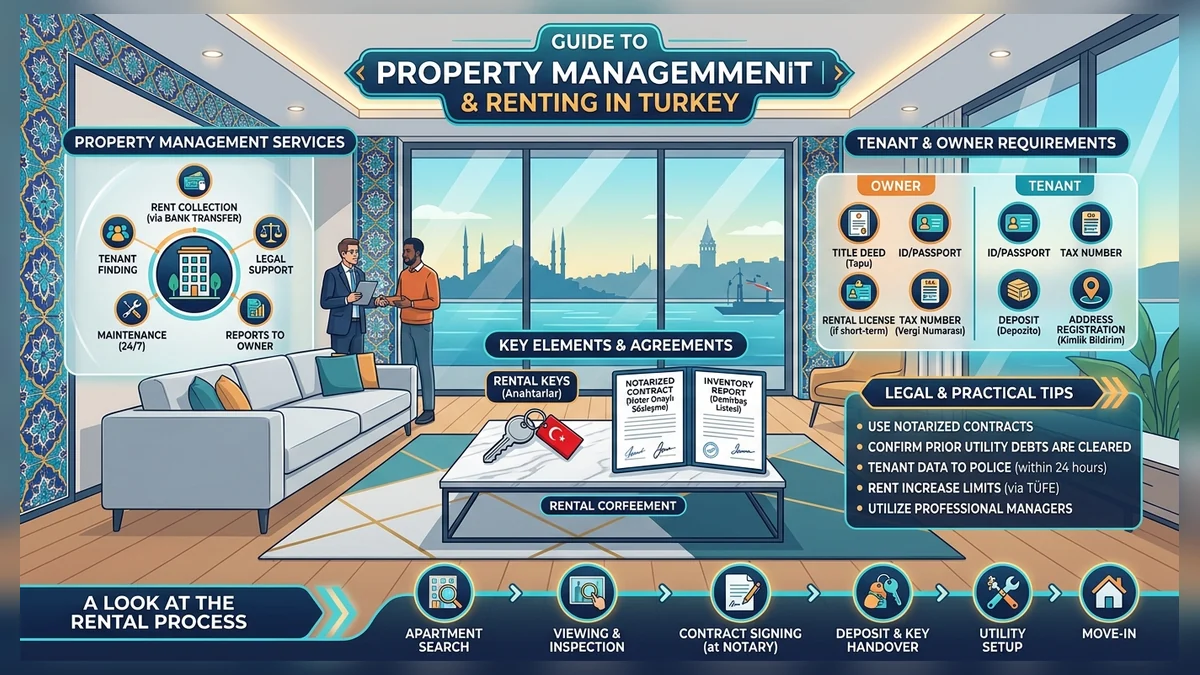
The handover record should identify important items, their condition, serial numbers for material appliances where useful, keys and accessories. Dated photographs strengthen the inventory. A statement that the apartment is “fully furnished” is too vague when there is a dispute over a missing chair, damaged television or appliance. Keep the inventory with the lease and move-in condition report.
Separate fair wear from tenant damage
Furniture naturally depreciates with normal use. A tenant should not automatically bear the full replacement cost of an old item that reaches the end of its useful life. Record purchase dates and condition at move-in and move-out. This helps distinguish normal wear and tear from misuse and produces a more defensible and transparent deposit reconciliation.
Budget cleaning and turnover
Furnished property may require deeper cleaning, upholstery treatment, appliance checks, reorganisation and replacement of small household items between tenants. Shorter tenancy duration makes those costs recur more often. Estimate a turnover cost per move-out and multiply it by expected frequency. A larger rent premium can be unattractive if the unit requires intensive operational work every year.
Compare tenancy duration and vacancy
An unfurnished tenant has often invested in moving furniture and may be more inclined to stay longer, although this is not universal. Measure actual tenancy duration in the local segment. Furnished units can let quickly in one market yet turn over annually; unfurnished units may take longer initially and then remain occupied for years. Include realistic vacancy in both cases.
Clarify appliance responsibility
When the landlord supplies a refrigerator, washer, oven and air-conditioning, maintenance requests will follow those items. Define what is provided and the allocation of responsibility under the lease and applicable law. Preserve receipts, warranties and service history. An appliance physically present but poorly documented can create disputes when it fails or when the tenant leaves.
Review insurance for contents
DASK does not cover household furniture and movable contents. Furnished owners should assess additional insurance for contents and relevant risks under the actual policy terms. Check limits and exclusions rather than assuming “home insurance” covers every appliance or every form of tenant damage. Insured values should reflect realistic current replacement cost.
Calculate net return after furnishing costs
Start with the annual rent premium and deduct furniture depreciation, appliance repair, extra cleaning, higher management input, vacancy and periodic re-furnishing. Compare that net result with the unfurnished case. Furnishing can work well where the premium is strong and turnover manageable; where the premium is small and replacement frequency high, the simpler unfurnished model may outperform.
Consider exit and resale
Furniture does not necessarily add its full cost to the sale price of the property. Some buyers do not want it and the owner may need to remove or sell contents separately. Do not treat furnishing expenditure as guaranteed real-estate value. For a short holding period, include a realistic liquidation value for furniture in the exit analysis.
Let the market decide rather than personal preference
An owner may enjoy designing furnished apartments while investing in a family market, or prefer empty units where the dominant tenant is a foreign professional seeking a turnkey home. Test actual local demand and choose the furnishing level that produces the strongest net result with an acceptable operating burden. The best structure is the one the target tenant values enough to pay for.
2026 investment decision update — Furnished vs Unfurnished Rental Strategy
The furnishing decision should start with net rent premium, not the advertised price gap. Calculate furniture/appliance cost, depreciation, cleaning, turnover and management, then the months required to recover it. If the strategy becomes stays of 100 days or less, tourism-rental licensing and operating compliance must enter the model.
If the strategy moves into stays of 100 days or less, tourism-purpose rental rules become part of the underwriting: Turkish rules require a tourism-rental permit for dwellings rented for 100 days or less per stay, with related listing, documentation and operating requirements. Short-stay rent premiums are therefore not compliance-free income.
The Construction Cost Index increased 28.33% year on year in July 2026; materials rose 27.13% and labour 30.51%. Maintenance, refurbishment and fit-out budgets therefore need dated pricing and an explicit contingency rather than a stale fixed quote.
Formula / decision check: Furnishing break-even months = initial furniture/fit-out cost / (net monthly furnished premium after extra cleaning, turnover, repairs and management).