1. Importance of recordkeeping
A structured archive for fire-safety records allows the owner or reviewer to reconstruct what was checked, which document version was relied upon and how exceptions were resolved. Good recordkeeping supports later management, audit and resale.
2. Archive structure
Store documents by date and version; retain identifiers, issuing-source information and relevant correspondence; keep evidence of verification, amendments, payments, maintenance or corrective work where applicable; and clearly distinguish current documents from superseded copies.
3. Access and integrity
Sensitive records should be protected against unauthorized access or alteration. Access should be limited to people with a legitimate role, while backups should preserve the file against loss.
4. Link to future transactions
A complete archive reduces the time required to explain the property’s history to future buyers, advisers, auditors or managers.
5. FAQ
Q1: Why keep historical versions? A: They show how the record changed over time.
Q2: What should be stored with the document? A: Verification evidence, relevant correspondence and closure records.
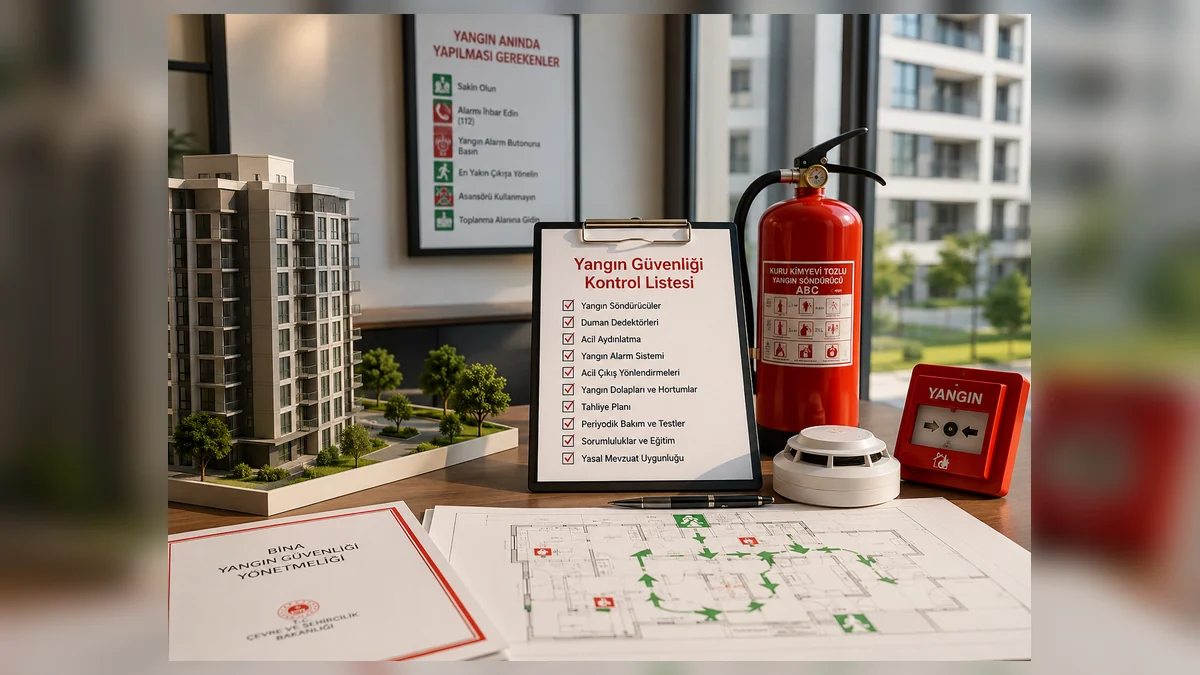
Q3: Why protect access? A: The file may contain confidential or sensitive transaction information.Building a reviewable record
The fire-safety file should contain the latest inspection reports, maintenance certificates, alarm and suppression-system tests, emergency-exit plans, earlier findings and evidence that those findings were closed. Record the date and issuing body of each document so current evidence can be distinguished from obsolete material. This organisation also supports building management after purchase by making maintenance evidence easy to provide to insurers or regulators. Update the file after every significant inspection or repair and retain a secure electronic copy with clear access controls.