
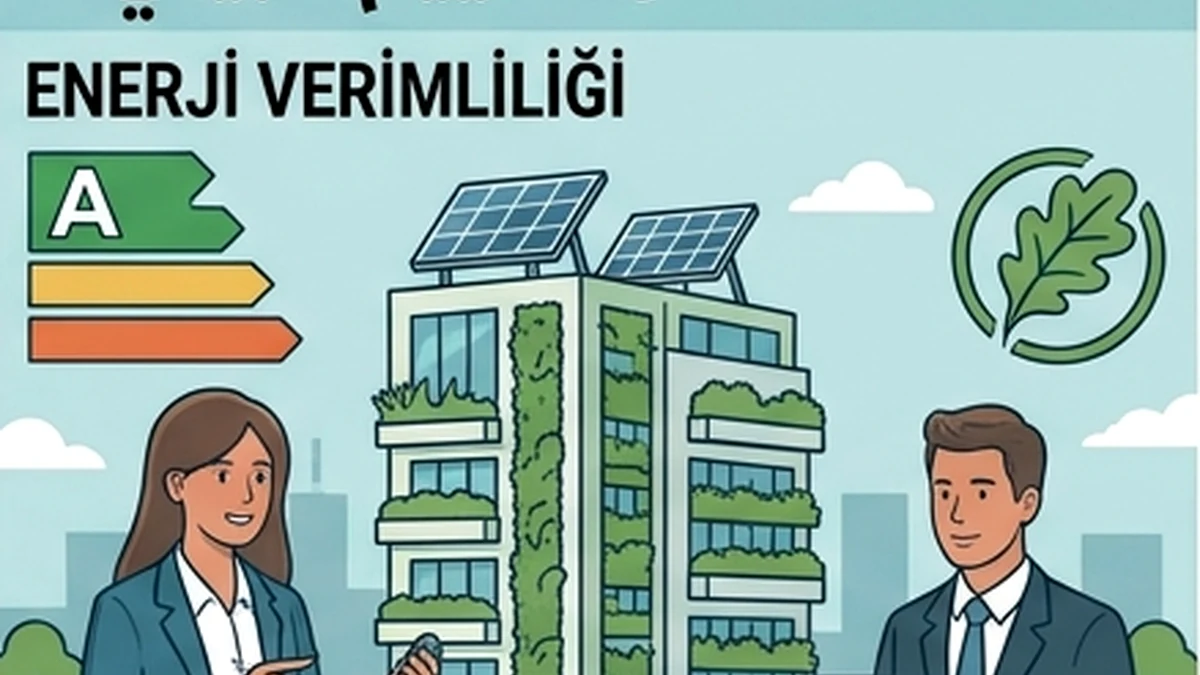
Payment Release Gate — Energy performance certificate
A practical Payment Release Gate workflow for Energy performance certificate, focused on evidence, timing, record reconciliation, exception closure and an auditable decision.
Verified facts relevant to this topic
Purpose of this guide
Payment Release Gate — Energy performance certificate applies an operational verification workflow to Energy performance certificate. The specific objective is to tie every transfer or payment to completed checks and explicit conditions instead of paying on promises or time pressure. A fact should not be treated as operationally reliable merely because it exists; it must be tied to the correct property, party and date and supported by evidence that another reviewer can audit later.
When to use this review
- Before signing a contract or amendment that changes rights or obligations.
- Before sending money or changing a beneficiary or account.
- When a new version of a previously relied-on document arrives.
- When there is a payment request, beneficiary change or accelerated payment date.
- When the database and a primary document or official source disagree.
- Before final closing when the information can change over time.
Execution sequence
- Define the critical point and pass criterion.
- Retrieve the current source or request the primary document.
- Cross-check names, identifiers, dates, amounts and rights.
- Log every conflict or gap explicitly.
- Assign an owner and closure date to each open point.
- Turn unresolved material points into written pre-commitment conditions.
- Recheck changeable information at the actual decision moment.
- Archive the pass, conditional-pass or stop decision with its reason.
Financial and operational impact
Verified facts from official sources
Energy Performance Certificate / EKB
Verify certificate identity, building/block match, issue data and energy class through the official BEP-TR framework where applicable.
Energy class is a regulatory performance indicator, not a guarantee of a specific future utility bill.
building-insurance review
What cost or cash-flow exposure can arise from building-insurance review?
The decisive evidence point is this: Building-insurance review should separate compulsory DASK from voluntary cover and match the insured property, validity dates, insured value, covered risks, deductibles and exclusions to the actual asset. Separate one-off costs, recurring liabilities and unpaid balances before setting the final budget.
Which amount or liability connected to building-insurance review should be reconciled?
For the decision itself, use this rule: Building-insurance review should separate compulsory DASK from voluntary cover and match the insured property, validity dates, insured value, covered risks, deductibles and exclusions to the actual asset. Match the exact property, parties, dates, amounts and reference numbers relevant to this topic.
How should a building-insurance review discrepancy change the buyer's budget?
The transaction should remain open until this is resolved: Building-insurance review should separate compulsory DASK from voluntary cover and match the insured property, validity dates, insured value, covered risks, deductibles and exclusions to the actual asset. For a foreign buyer, verify any extra identity, translation, representation or eligibility requirement that actually applies.
Evidence and decision plan for Payment Release Gate — Energy performance certificate
“Payment Release Gate — Energy performance certificate” should be handled as a decision file, not as a collection of documents. Its working objective is to define the evidence that must exist before a specific payment is released and block payment when a required condition remains unresolved. Evidence is useful only when it can be tied to the same property, party and decision date.
Evidence to assemble
- For “Payment Release Gate — Energy performance certificate”, match the property and party identifiers in the evidence to the asset and people actually involved; a correct document for the wrong unit or person does not close the check.
- For “Payment Release Gate — Energy performance certificate”, record issuer, source, issue or retrieval date and version where available, then distinguish an original/current record from a scan, translation, draft, expired copy or superseded version.
- For “Payment Release Gate — Energy performance certificate”, compare documentary status with the physical, payment or operational reality relevant to the topic and write down every unexplained difference before commitment.
- For “Payment Release Gate — Energy performance certificate”, convert each unresolved difference into a named condition: evidence required, person responsible, deadline and the consequence if the condition is not satisfied.
Official reference to recheck
The source register for “Payment Release Gate — Energy performance certificate” includes Ministry of Environment — Building Energy Performance FAQ (https://csb.gov.tr/sss-detay/15). Use that source for the matters within its authority and recheck it when timing or rules are material; it does not replace a registry, engineering, tax, banking or contractual record that the specific decision separately requires.
Decision boundary
The decision for “Payment Release Gate — Energy performance certificate” is not “document present / document absent.” It is whether the evidence is current, identifies the right asset and parties, resolves material conflicts and supports the next irreversible step.
When should an energy certificate become a payment gate?
An EKB should become a financial condition only where its existence or a stated characteristic is part of the bargain or purchase decision. In that case, a developer’s promise to “send it later” is not enough: define the certificate number or identifiable document, the building it covers, and any minimum rating only if that rating was actually agreed as a contractual condition. Do not invent a new performance threshold after signing.
If the certificate is missing or cannot be tied to the correct block, keep the condition open until verifiable evidence arrives or the parties document a clear alternative treatment. The purpose is to enforce an agreed condition, not to use EKB as a generic excuse to suspend payment.