
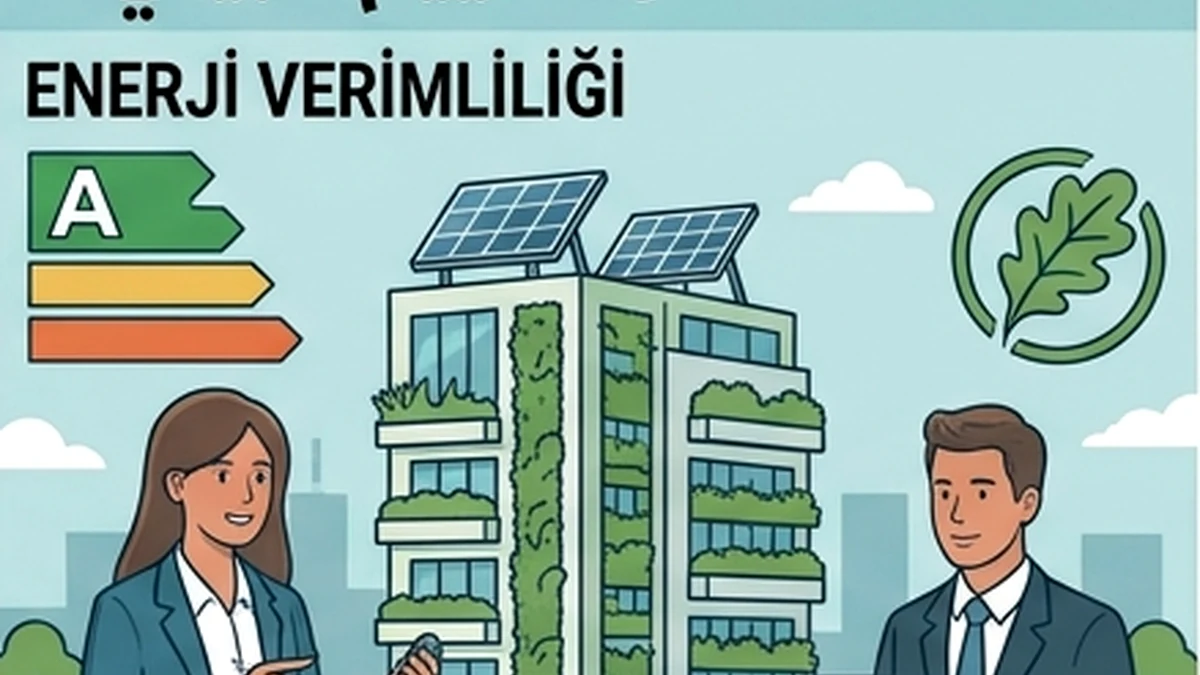
Audit Trail Reconstruction — Energy performance certificate
What the official record proves
For “Audit Trail Reconstruction — Energy performance certificate”, the Energy Performance Certificate and fire-safety records should be treated as documents with defined scopes, not as general guarantees of building quality. Ministry guidance states that the EKB contains information on energy need/consumption, insulation and heating/cooling efficiency and is valid for ten years from issuance; it also interacts with new-building occupancy procedures. Fire-prevention reporting requirements depend on building type and use and can require permit/occupancy and municipal documentation. For audit-trail reconstruction, the actual certificate/report, building identifier, issue date, issuer and any later change of use are checked before drawing a conclusion.
Reconcile record and reality
Limits of the evidence
Decision consequence
Primary and official sources
- Ministry of Environment — Building Energy Performance FAQ — https://csb.gov.tr/sss-detay/15
- Ministry of Environment — Zoning FAQ — https://csb.gov.tr/sss-detay/18
- TKGM — Tapu ve Kadastro Genel Müdürlüğü — https://www.tkgm.gov.tr/anasayfa
- Ministry of Energy — Energy Performance Certificate — https://enerji.gov.tr/duyuru-detay?id=186
- CSB — EKB Information — https://aydin.csb.gov.tr/enerji-kimlik-belgesi-ekb-hakkinda-bilgilendirme-106895
- TKGM — sale transaction documents / Web Tapu — https://www.tkgm.gov.tr/sss
Building an auditable EKB history
The audit trail for an Energy Performance Certificate should be reconstructed around the certificate's own lifecycle, not around unrelated transaction paperwork. Begin with the exact building identity used in BEP-TR: address, building/block, use type and the design or existing-building data on which the calculation was based. Preserve the certificate number, issue date, energy and greenhouse-gas classes where shown, the authorised EKB specialist/organisation and the file or official verification route through which the copy was obtained. Ministry guidance states that EKBs are produced through BEP-TR and are valid for ten years; for new buildings within scope, the approved certificate is part of the occupancy-permit stage.
Next, reconstruct every event that could make the previous certificate or calculation stale. Examples include a replacement heating/cooling system, material changes to insulation or the building envelope, a major change of use, renewable-energy additions, or a project revision before occupancy. The trail should show whether the event merely changed actual operation or whether it changed the data that governs the EKB calculation and therefore required a new or updated document. Keep the old certificate rather than deleting it, mark it as superseded when appropriate, and link the later version to the reason for change.
Methodology changes also belong in the history. The Ministry updated the national BEP-TR calculation method in 2025, with the new method applying to buildings receiving new permits from 30 June 2025; it also updated the Building Energy Performance Regulation in June 2025. In May 2026 the Ministry announced further rules, including lifecycle-analysis documentation for certain new buildings from 1 January 2027. These dates matter when reconstructing why two otherwise similar projects may have certificates calculated under different rules. Do not retroactively “correct” an older certificate merely because a later method exists; instead record which rules applied to its issue and whether a later transaction or project event requires fresh verification.
Close the audit trail only when another reviewer can move from the current certificate back through its source data and changes without relying on an email explanation. Retain official Ministry/BEP-TR references, the governing certificate, superseded versions and the event log that explains each replacement.
FAQ — EKB audit trail
Should an expired or superseded EKB be removed from the active file?
No. Preserve it as a historical version and mark why it ceased to control. The old version helps explain what data or rule change produced the later certificate.
What is the minimum chain needed to authenticate an EKB history?
Link the certificate to the exact building, issue date, authorised specialist or organisation, BEP-TR/official verification route, and the project or existing-building data used for the calculation.
Do later regulatory changes automatically invalidate an older certificate?
Not merely because a later method exists. Record which rules governed the certificate when issued and then determine whether a later project change, expiry or legal requirement triggers fresh verification.