
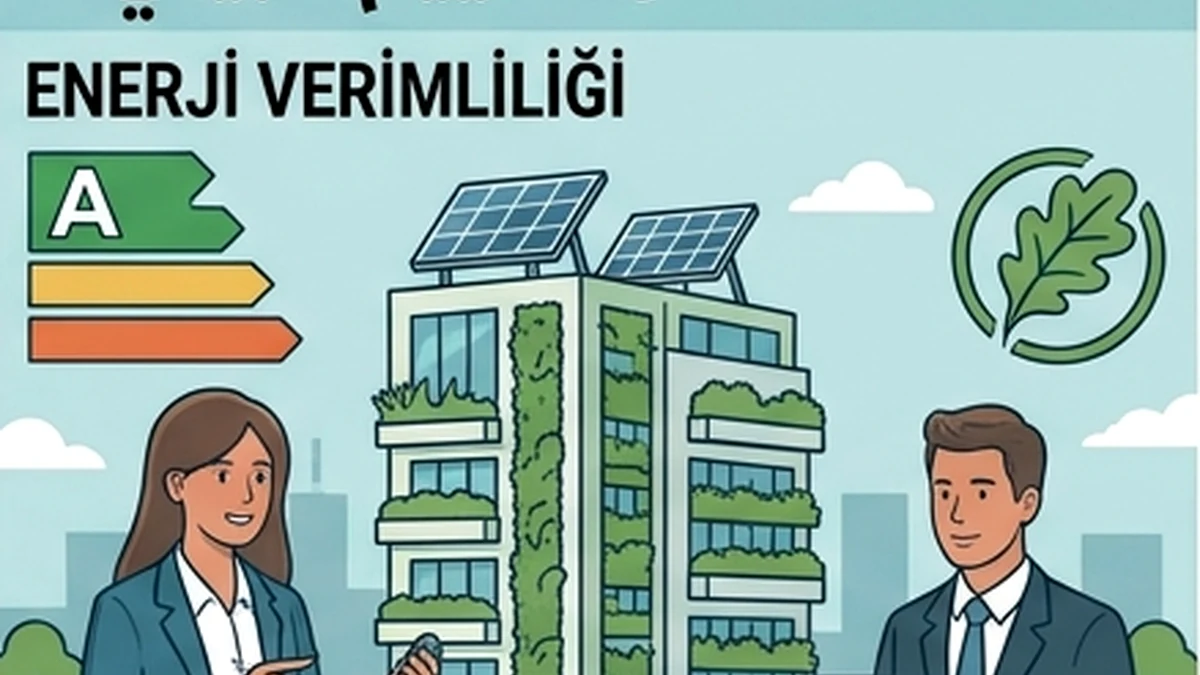
Energy Efficiency and Environmental Sustainability Records Recordkeeping
The review of “Energy Efficiency and Environmental Sustainability Records Recordkeeping” must be tied to the specific property and transaction rather than treated as a generic topic. Start by identifying the latest evidence, issuing authority or party, retrieval date, period covered, and the property and parties to which it relates. Compare the information with the contract, earlier file record, and any available official source. A difference in name, reference number, date, scope, or responsibility should be recorded as an exception and should not be closed by an oral explanation alone. Then test completeness: are annexes, later pages, follow-up evidence, and the closure of obligations that were due before the transaction actually present? Identify the financial and operational consequence even where an issue does not legally block registration, because it may still affect price, insurance, operating cost, payment timing, or resale. Compare statements by the seller, manager, contractor, insurer, or service provider with independent evidence; each document can be genuine yet still refer to a different property, period, or obligation. End with a clear status—accepted, accepted with conditions, further evidence required, or currently unacceptable—with verification date, reviewer, and the evidence supporting the decision.
Energy Efficiency and Environmental Sustainability Records Recordkeeping — control focus
For recordkeeping, do not delete the old version when a newer one arrives. Mark it as superseded, record the reason for change and effective date, and link documents to the decision that used them, the correct property, and the correct period. Review gaps periodically. Apply appropriate access controls where records contain personal, security, or commercially sensitive information.
Energy Efficiency and Environmental Sustainability Records Recordkeeping — evidence trail
For this specific record, “Energy Efficiency and Environmental Sustainability Records Recordkeeping”, the following controls apply to the facts and evidence of this topic: Preserve an evidence trail that allows a reviewer who did not participate in the transaction to reproduce the conclusion. Keep the reviewed version, reference or application number, retrieval date and time, annexes, earlier version where relevant, and the reviewer. If a document is replaced by a newer version, do not silently delete the old one; mark it as superseded and record why it changed. Identify information that can change and set a revalidation point before registration or payment release. Where a conflict appears, record what conflicted, which source was relied on, who accepted the resolution, and what document closed the exception. This turns the archive into an auditable decision trail rather than an unrelated collection of files.
Energy Efficiency and Environmental Sustainability Records Recordkeeping — final control
For “Energy Efficiency and Environmental Sustainability Records Recordkeeping”, final reliance must be specific to this record and its stated scope: Energy-efficiency and sustainability recordkeeping should allow performance to be compared over time. Preserve period-by-period electricity, water and fuel use, energy certificates, audit reports, insulation or equipment upgrades and measured outcomes after work. Superseded records should not be mix Preserve the sequence of versions, documents, and events so an independent reviewer can reconstruct the conclusion and see what was superseded and why.
Energy Efficiency and Environmental Sustainability Records Recordkeeping — topic-specific evidence
The record-specific focus is: energy performance certificate, consumption data, heating and cooling systems, equipment efficiency, retrofit works, and stated sustainability commitments. These items should appear in the evidence file itself, not only in marketing material or a general summary, and should be tied to a verification date and the source that supplied the information.