
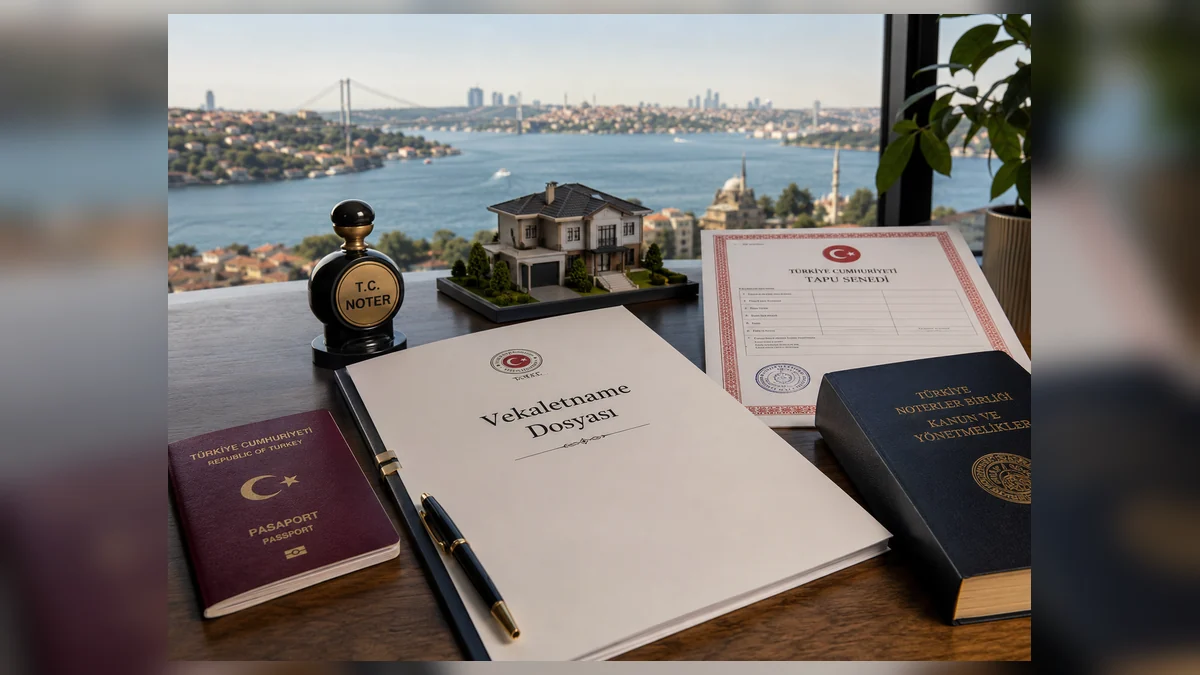
Closing-Day Recheck — Building age and renovation history
A practical Closing-Day Recheck workflow for Building age and renovation history, focused on evidence, timing, record reconciliation, exception closure and an auditable decision.
Verified facts relevant to this topic
Purpose of this guide
Closing-Day Recheck — Building age and renovation history applies an operational verification workflow to Building age and renovation history . The specific objective is to recheck changeable points on the closing day itself so final execution does not rely on information that became stale between review and signature. A fact should not be treated as operationally reliable merely because it exists; it must be tied to the correct property, party and date and supported by evidence that another reviewer can audit later.
When to use this review
- Before signing a contract or amendment that changes rights or obligations.
- Before sending money or changing a beneficiary or account.
- When a new version of a previously relied-on document arrives.
- When there is arrival of the final signature or transfer day.
- When the database and a primary document or official source disagree.
- Before final closing when the information can change over time.
Starting point
Execution sequence
- Define the critical point and pass criterion.
- Retrieve the current source or request the primary document.
- Cross-check names, identifiers, dates, amounts and rights.
- Log every conflict or gap explicitly.
- Assign an owner and closure date to each open point.
- Turn unresolved material points into written pre-commitment conditions.
- Recheck changeable information at the actual decision moment.
- Retain the pass, conditional-pass or stop decision with its reason.
Official and primary sources
- AFAD — Türkiye Building Earthquake Code — 15-08-2026
- İBB — Rapid Building Screening — 15-08-2026
- Ministry of Environment — Zoning FAQ — 15-08-2026
Closing-day recheck
Building age should be documented from the official permit/occupancy/registry timeline, not from finishes or the year a renovation was advertised. A refurbished unit can look new while its structural system is much older.
Not all alterations are equivalent. Planning rules distinguish substantial alterations affecting structural elements, floor area, unit count and similar matters from ordinary maintenance, and substantial work may require amended projects and permits.
For a renovated property, build a timeline covering the original permit, occupancy status, any tadilat ruhsatı, use change, strengthening, merger or subdivision. A missing link deserves verification before valuation and purchase.
Practical FAQ built from the record’s verified facts
What official fact about building age and renovation history should a buyer verify on the closing / transfer day?
Building age should be documented from the official permit/occupancy/registry timeline, not from finishes or the year a renovation was advertised. A refurbished unit can look new while its structural system is much older. On transfer day, recheck sensitive identifiers from the latest available source; do not assume last week’s verification is still sufficient. Confirm that every promised correction or update is actually reflected before signature and final payment.
Which document fields or legal details on building age and renovation history matter most on the closing / transfer day?
On transfer day, recheck sensitive identifiers from the latest available source; do not assume last week’s verification is still sufficient. Confirm that every promised correction or update is actually reflected before signature and final payment. Building age should be documented from the official permit/occupancy/registry timeline, not from finishes or the year a renovation was advertised. A refurbished unit can look new while its structural system is much older. Not all alterations are equivalent. Planning rules distinguish substantial alterations affecting structural elements, floor area, unit count and similar matters from ordinary maintenance, and substantial work may require amended projects and permits.
What can go wrong with building age and renovation history on the closing / transfer day, and what evidence resolves it?
Not all alterations are equivalent. Planning rules distinguish substantial alterations affecting structural elements, floor area, unit count and similar matters from ordinary maintenance, and substantial work may require amended projects and permits. On transfer day, recheck sensitive identifiers from the latest available source; do not assume last week’s verification is still sufficient. Confirm that every promised correction or update is actually reflected before signature and final payment.
Sources for this section were reviewed on 16 August 2026.